Asian Games 2026 Close in Japan After Record Performances and Organisational Problems
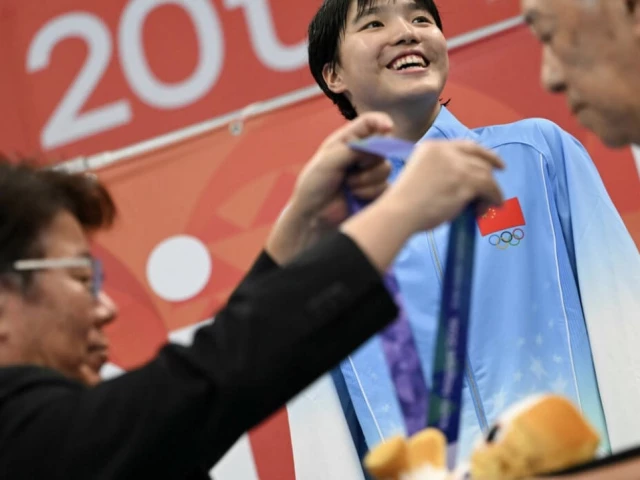
Asian Games 2026 conclude in Japan after two weeks of record-breaking performances.
The Asian Games 2026 will close in Japan on Sunday after two weeks of record-breaking performances, emerging stars and several organisational controversies.
More than 17,000 athletes and officials travelled to Nagoya and Aichi for the continent’s biggest multi-sport event. The Games featured 50 world records, according to the Olympic Council of Asia.
However, logistical problems, low attendance and several operational mistakes also drew criticism from participating teams and officials.
Young Stars Dominate Asian Games
China’s 13-year-old swimmer Yu Zidi became one of the biggest stars of the Games.
The teenager won three gold medals in record times. She claimed the women’s 200m butterfly title and completed the 200m and 400m individual medley double.
Her performances have raised expectations ahead of the Los Angeles 2028 Olympics.
Despite the attention, Yu rejected the description of her as a sporting prodigy.
PAAPAM Seeks PM Meeting Over Draft Auto Policy 2026-31
Japan also celebrated a major swimming achievement. Seventeen-year-old Shin Ohashi broke the men’s 200m breaststroke world record in front of the home crowd.
In athletics, Thailand’s Puripol Boonson won both the 100m and 200m titles. The 20-year-old also received the men’s MVP award.
He said the competition gave him greater confidence about his prospects at the Los Angeles Olympics.
Organisational Issues Draw Criticism
The sporting achievements were accompanied by a series of organisational problems.
The Games did not use a traditional athletes’ village. Organisers instead housed participants in temporary wooden units, hotels and a cruise ship as part of a cost-saving model.
Some teams complained about cramped accommodation and short beds. The large number of participants also created a shortage of available beds.
One Thai Olympic official compared the situation to “musical chairs.”
Transport created further difficulties. Some athlete buses arrived late or failed to appear. Two teams were also reportedly taken to the wrong venue, causing a volleyball match to start late.
Another incident occurred when organisers played North Korea’s national anthem for the South Korean hockey team.
Ryu Seung-min, president of the Korean Sport and Olympic Committee, gave the Games a failing grade because of the problems.
Attendance Becomes Another Concern
Organisers also faced questions over spectator numbers.
The opening ceremony reportedly took place with thousands of empty seats. Attendance was particularly low at some events.
Only 998 spectators watched the women’s football semi-final between hosts Japan and South Korea at a stadium with a capacity of 50,000.
However, other competitions attracted significantly larger crowds. Around 30,000 fans watched South Korea defeat Japan 1-0 in the men’s football final.
The medal ceremony later faced another problem when the South Korean flag failed to rise as expected.
Japan Finishes Second Behind China
Japan ended the Games with 83 gold medals, placing second behind China, which topped the table with 169 golds.
Japanese Olympic Committee president Seiko Hashimoto acknowledged that the Games experienced numerous problems. She nevertheless said Japan remained interested in hosting major international sporting events.
Weather conditions also affected attendance during the Games, particularly during periods of heavy rain.
The competition still produced several historic moments.
North Korean weightlifter Ri Song Gum set three world records in one day while winning gold.
Japan’s Yuki Kurihara also made history by winning an eSports competition at just 11 years old. He is believed to be the youngest Asian Games champion.
Several sports seeking Olympic recognition also appeared at the Games for the first time. They included padel, mixed martial arts and virtual taekwondo.
The Asian Games will now hand over hosting duties to Doha, which is scheduled to stage the next edition of the continental sporting event.