

Animal Cruelty: Nadia Afgan challenges Pakistan’s acceptance of dog culling
Actor Nadia Afgan has criticised the mass killing of stray dogs, arguing that humane animal welfare measures and rabies vaccination could make Pakistani streets safer.
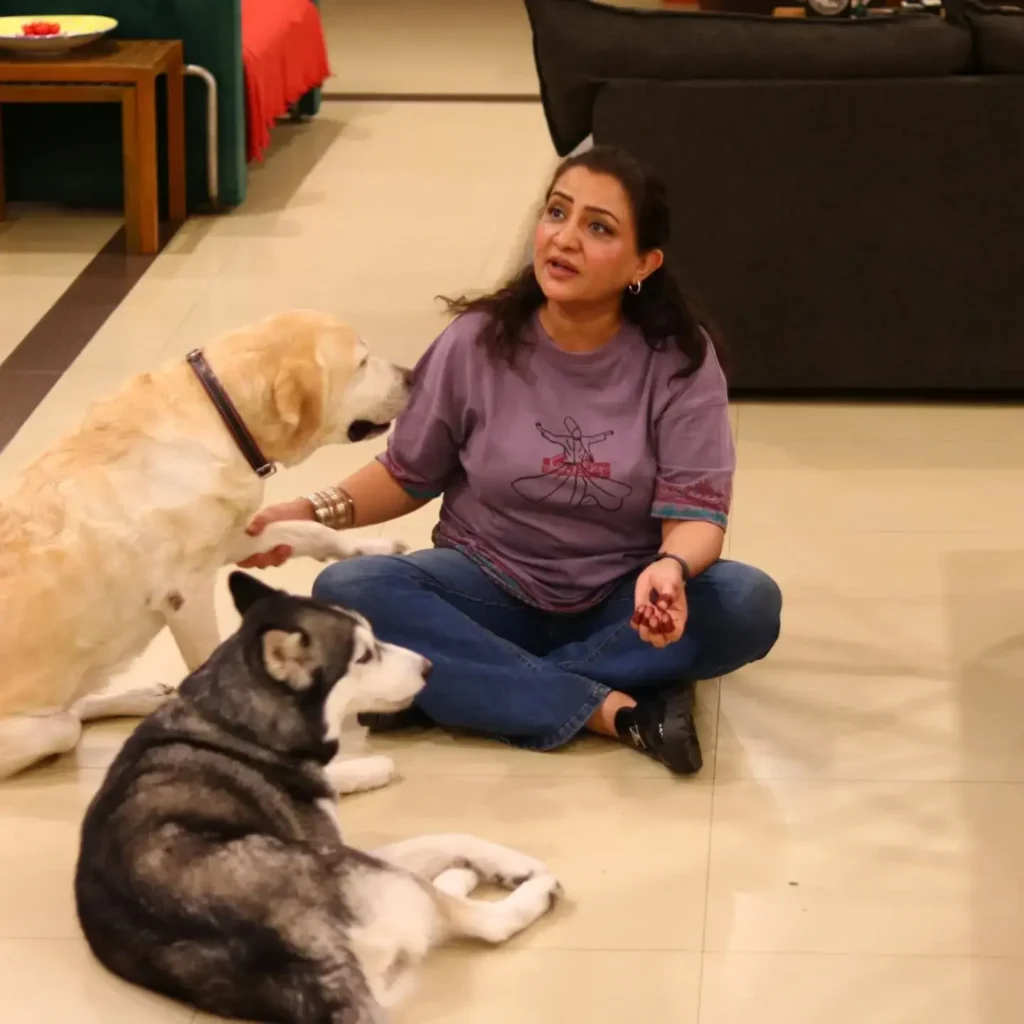
Nadia Afgan speaks against the mass killing of stray dogs in Pakistan.
Animal Cruelty has once again come under the spotlight in Pakistan after actor Nadia Afgan criticised the widespread practice of killing stray dogs and questioned the way children are taught to view animals.
Speaking on the podcast The Street Talks Back on Friday, Afgan said Pakistani society had become accustomed to seeing dogs as dangerous or dirty animals. She argued that children are often taught to fear dogs from an early age, creating an attitude that can contribute to violence against animals.
Afgan said people are encouraged to value animals based on whether they appear attractive or desirable, while dogs are often portrayed as filthy or threatening. She suggested that this perception is deeply rooted in social attitudes that need to change.
Podcast host Huma Haq, founder of the Jaandar Animal Welfare Organisation, also discussed the treatment of stray dogs on Pakistani streets. Afgan agreed that streets in the country are not necessarily safe for children, women, animals or even men, raising broader questions about public safety and urban management.
The actor argued that humans have expanded cities into spaces where animals once lived. She said dogs were domesticated by people and, in many cases, later abandoned, leaving them to survive on the streets.
Afgan also recalled being asked by neighbours not to walk her Labrador and husky outside because of concerns that the animals could hurt children. She rejected those fears, saying her dogs do not harm people and that she deliberately introduces them to children when she takes them outside.
The actor particularly criticised the use of mass culling as a response to rabies. She argued that killing dogs does not address the wider problem and instead risks teaching children that violence is an acceptable solution.
Balochistan Flood Housing Plan Cut to 69,000 Homes Amid Dispute Over Funds
Afgan questioned why authorities would spend money on poison and bullets to eliminate stray dogs while failing to invest sufficiently in vaccination programmes and other humane measures aimed at controlling rabies.
She further argued that properly managed stray-dog populations could contribute to neighbourhood safety. According to Afgan, dogs can become territorial and may deter strangers from approaching areas where children play when communities provide them with food and water.
Her comments also reflected her own upbringing. Afgan said she grew up with a dog during the 1980s and that her mother regularly rescued animals. She described compassion towards animals as something passed down through generations, noting that her grandmother also kept numerous animals at home.
Afgan rejected the idea that caring for animals is an activity reserved for wealthy families. She recalled that her mother’s family in Quetta was not affluent, yet her grandmother cared for a wide variety of animals, including ducks, chickens, cows, buffaloes, goats, dogs, cats and birds.
Her remarks have renewed discussion around Animal Cruelty in Pakistan, particularly the balance between public safety, rabies prevention and humane treatment of stray animals. Afgan’s central argument was that protecting communities and protecting animals should not necessarily be treated as opposing goals.