AI Diplomacy Takes Centre Stage at PIIA Seminar on Pakistan’s Future
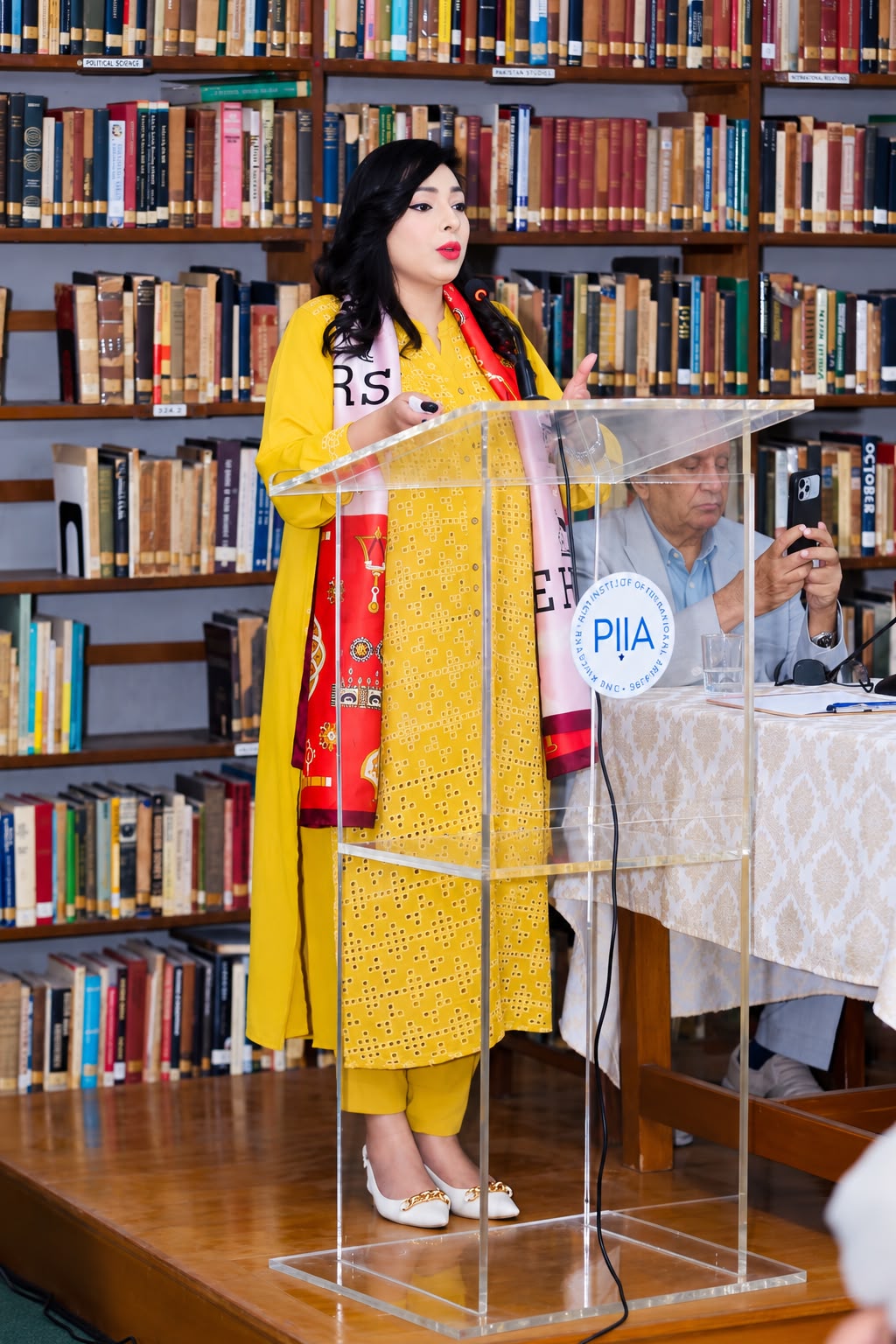
Experts discuss AI diplomacy and Pakistan’s strategic AI future at a PIIA seminar in Karachi.
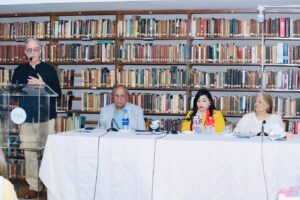
The Pakistan Institute of International Affairs (PIIA) hosted a seminar on artificial intelligence and its global impact.
The event was titled “Artificial Intelligence: Emerging Trends and Global Implications.” Experts discussed AI trends and Pakistan’s future in the fast-changing technology sector.
Dr Ammara Aftab, Global AI Speaker and Founder and CEO of Pro AI Global, delivered a presentation on AI diplomacy.
Her topic was “AI Diplomacy and the Global AI Race: Pakistan’s Strategic Position in the Emerging AI Order.”
She said the global AI race now covers more than advanced models. It also involves computing power, data, talent and international standards.
Infrastructure, market access and technology partnerships have also become important, she said.
Global AI Race Creates New Challenges
Dr Aftab said artificial intelligence is becoming part of foreign policy. It is also shaping international cooperation.
Pakistan should play an active role in the global AI ecosystem, she said. The country should not remain only a consumer of AI technology.
She proposed a multi-partner strategy for Pakistan. The plan would focus on building local capacity and expertise.
Attaullah Tarar Says Shehbaz Sharif Highlighted Palestine at UNGA
Pakistan could use its links with China, Western technology markets and the Muslim world. Cooperation with the Global South could also support this strategy.
Dr Aftab called for greater investment in research and skills. She also highlighted the need for better access to international technology markets.
AI Diplomacy Cell Proposed
Dr Aftab proposed an AI Diplomacy Cell for Pakistan. The proposed unit would improve coordination between key institutions.
It could bring together foreign affairs officials, technology institutions and policymakers. Universities and private-sector stakeholders could also take part.
The cell could monitor major AI developments around the world. It could also help prepare Pakistan’s positions for global forums.
Dr Aftab said the unit could identify strategic technology partnerships. It could also link international engagement with Pakistan’s AI priorities.
She highlighted several areas for global cooperation. These include computing access, skills mobility and international technology standards.
Cybersecurity cooperation also needs greater attention, she said.
Dr Aftab also discussed AI tools in Urdu and other local languages. Such tools could improve digital inclusion across Pakistan.
She said local-language AI could also create new opportunities for Pakistan’s technology sector.
AI for Sustainable Development
Syed Ammar Jaffri, Founder of Digital Pakistan, discussed AI and sustainable development.
He highlighted agriculture as a major area for AI use. Climate resilience, healthcare and education were also discussed.
AI could support disaster management and digital public services, Jaffri said. He stressed the need for practical and responsible adoption.
Journalist and analyst Zarrar Khuhro discussed the wider impact of AI. His presentation covered society, security and emerging technologies.
He also addressed AI safety and autonomous technology. Cybersecurity and the long-term impact of advanced AI were part of his discussion.
Experts Discuss Pakistan’s AI Readiness
A question-and-answer session followed the presentations. Participants discussed Pakistan’s readiness for the AI era.
The discussion also covered AI opportunities and governance challenges. International technology developments were another key topic.
The seminar attracted academics, researchers and technology professionals. Students, media representatives and civil society members also attended.
Speakers stressed the need for stronger AI capacity in Pakistan. They also highlighted policy development, research and international partnerships.
The discussions underlined the growing importance of AI for Pakistan’s economy and international engagement.