Punjab’s Rs1,995 Billion PIVOT Programme Can Boost Industry, Exports and Jobs Mian Zahid Hussain

PIVOT Programme: Mian Zahid Hussain urges provinces to promote industrial investment, exports and jobs.
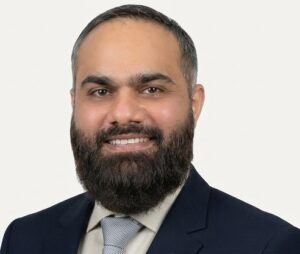
Punjab’s Rs1,995 billion Punjab Innovation for Value, Opportunity and Transformation (PIVOT) programme could strengthen industrial investment, exports and employment, Mian Zahid Hussain has said.
The President of the Pakistan Businessmen and Intellectuals Forum (PBIF) and All Karachi Industrial Alliance welcomed the initiative launched by Punjab Chief Minister Maryam Nawaz Sharif in Lahore on October 30.
Hussain, who also chairs the National Business Group Pakistan and FPCCI Policy Advisory Board, said the programme could expand productive capacity and encourage private investment. He stressed that sustainable economic growth required stronger industrial competitiveness and greater foreign exchange earnings.
He urged Sindh and other provincial governments to introduce similar initiatives for industrial development and business growth.
Rs1,995 Billion Investment Plan for 2026–2029
Hussain said the Punjab programme envisaged approximately Rs1,995 billion in investment between 2026 and 2029.
Under the plan, public investment would account for Rs1,089 billion. The private sector is expected to contribute another Rs906 billion.
Attracting private investment will require policy continuity, timely approvals, essential infrastructure and investor confidence, he said. Effective use of public funds could also encourage businesses to invest and expand operations.
Rs753.7 Billion Allocated for Industry
Hussain highlighted the proposed Rs753.7 billion allocation for the industrial sector. He also welcomed Rs300 billion in concessional financing for industrial projects at interest rates ranging from zero to five percent.
easypaisa Digital Bank Reports PKR 13.30 Billion Pre-Tax Profit in Nine Months
Affordable financing could help businesses purchase modern machinery, increase production and fulfil export orders, he said.
However, he called for clear information under the Strategic Trade Enhancement Programme (STEP). This should cover loan eligibility, interest rates, financing limits, collateral requirements and repayment periods.
He also urged authorities to explain application and approval procedures. The STEP portal should publish regular updates on applications received, approvals granted and loans disbursed.
Hussain stressed that small and medium-sized enterprises (SMEs) must have fair access to the financing facilities.
Solar Energy and Machinery Support to Reduce Costs
The Rs50 billion allocation for solar energy and battery storage also received Hussain’s appreciation. Another Rs50 billion has been earmarked for refunds of duties paid on machinery.
Together, these measures could lower energy costs and support industrial modernisation. He called for simple and transparent access to both facilities.
Authorities should assess projects on their potential energy savings, machinery efficiency and long-term economic viability.
Agro-Processing and Common Facilities to Support Exports
Hussain said common facilities, testing and certification services could help diversify Pakistan’s exports.
He identified garments, leather, footwear, sports goods, cutlery, fans and ceramics as sectors that could benefit from improved facilities.
He also welcomed plans for agro-processing parks in Sargodha, Khanewal, Okara and Bhakkar. These projects could strengthen links between farmers and industrial businesses.
Better processing, cold storage, packaging and quality testing would reduce agricultural losses. Such improvements could also increase the value of farm produce.
However, he stressed that the projects must meet buyers’ requirements and international standards.
Export and Employment Targets Need Regular Monitoring
The programme aims to generate an additional $6.8 billion in exports and create 162,000 direct jobs.
Hussain described these targets as encouraging. However, achieving them will require sector-specific goals, clear timelines and defined responsibilities for relevant institutions.
A clear baseline would also help authorities measure additional exports accurately.
Hussain proposed quarterly reporting on public funds released, private investment realised and loans disbursed. Reports should also cover operational industrial projects, additional exports and permanent employment.
He urged the government to make updated information available online. Regular disclosures, he said, would strengthen transparency and accountability.
Sindh and Other Provinces Urged to Follow
Hussain said stronger cooperation between federal and provincial governments could extend the programme’s benefits nationwide.
He called for opportunities for local suppliers, SMEs, young entrepreneurs and women-led businesses. Industries in disadvantaged areas should also benefit from such initiatives.
Technical training, he added, must match the current and emerging needs of industry.
Hussain said timely financing, simpler business procedures and effective implementation could help PIVOT expand Punjab’s industrial activity, increase exports and create employment.
He urged the Sindh government and other provinces to draw inspiration from the programme. He called on them to introduce stronger initiatives for industrial modernisation and business development.