
Imported Coal: IPP Procurement Practices Put Extra Burden on Power Consumers
Power Division and Nepra flag weak coal-buying practices at private power plants, with potential savings of up to Rs380 million a year.
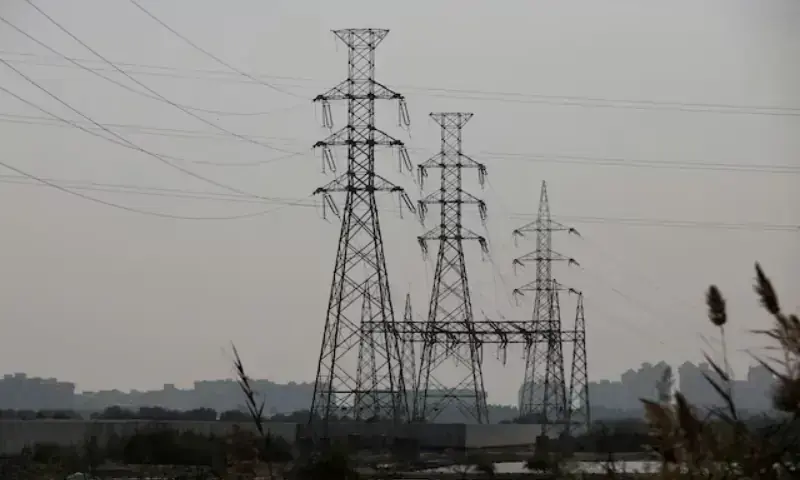
Government scrutiny of imported coal procurement raises concerns over electricity costs for consumers.
ISLAMABAD: Independent power producers (IPPs) using imported coal may be adding to electricity costs through inefficient procurement practices, with the resulting expense ultimately passed on to consumers through monthly fuel price adjustments.
The Power Division and the National Electric Power Regulatory Authority (Nepra) have raised concerns over the way some power plants negotiate and evaluate imported coal contracts.
The issue gained attention after a recent competitive tender for coal supplies to the state-owned 660-megawatt Jamshoro Power Plant secured a $7.12-per-tonne discount from a Karachi-based supplier.
In contrast, some contracts involving private power producers offered discounts of only 20 to 50 cents per tonne.
Power Division Flags Procurement Inefficiencies
The Power Division said officials had identified significant weaknesses in imported coal procurement.
Following a series of meetings chaired by the power minister, the government issued new policy guidelines aimed at improving procurement practices.
Officials said the corrective measures could save the national exchequer up to Rs380 million annually.
The division said Pakistan has around 5,280MW of coal-fired power capacity that relies wholly or partly on imported coal.
The fleet includes major plants at Port Qasim, Hub Power and Sahiwal, along with Lucky and Jamshoro power plants, which can also use imported coal.
Nepra Questions Port Qasim Deal
Nepra had already raised concerns about coal procurement by Port Qasim Electric Power Company (PQEPC).
The regulator examined a six-year coal supply agreement that offered discounts of between $0.20 and $0.50 per tonne.
Nepra questioned the method used to evaluate the bids, particularly because the discounts depended on estimated future coal prices.
The regulator said such an approach could limit competition because coal prices may change over time.
Nepra also noted that the Port Qasim plant had advertised its tender only in China rather than seeking bids from a wider international market.
According to the regulator, using discounts as a major bidding criterion could have encouraged suppliers to offer more competitive prices.
Eid Miladun Nabi: Zardari, Shehbaz Urge Nation to Follow Seeratun Nabi
Fresh Tender Ordered
Nepra also found that PQEPC had not disclosed an existing long-term coal supply agreement during two discussions with the regulator.
The omission led Nepra to initiate proceedings over possible misstatement or non-disclosure of information.
In its March 2026 decision, the regulator directed PQEPC to conduct fresh bidding for a long-term coal supply agreement within three months.
Officials, however, said the company procured around 1.2 million tonnes of coal shortly after the March 25 order.
The quantity could supply the plant for almost a year, according to officials.
They said the new procurement again secured a discount of about $0.50 per tonne, significantly below the $7.12 discount achieved by Jamshoro.
Millions at Stake
Officials estimated that the difference between the two discounts could amount to roughly $8 million on the quantity procured by the Port Qasim plant.
They warned that the financial impact could become considerably larger if similar procurement practices exist across other imported-coal power plants.
Coal prices for IPPs are generally linked to international benchmarks, including the API-4 index. However, the final price paid by each plant also depends on the discount negotiated with suppliers.
PQEPC Chief Financial Officer Adil Ashraf and Procurement Chief Liang Ding Ping did not respond to Dawn’s written questions about the procurement arrangements.
The government’s latest intervention could therefore place greater scrutiny on coal procurement by IPPs, particularly where higher costs eventually reach consumers through electricity fuel price adjustments.