Sindh Expands Free Healthcare and Education Reforms, Says Sharjeel Memon
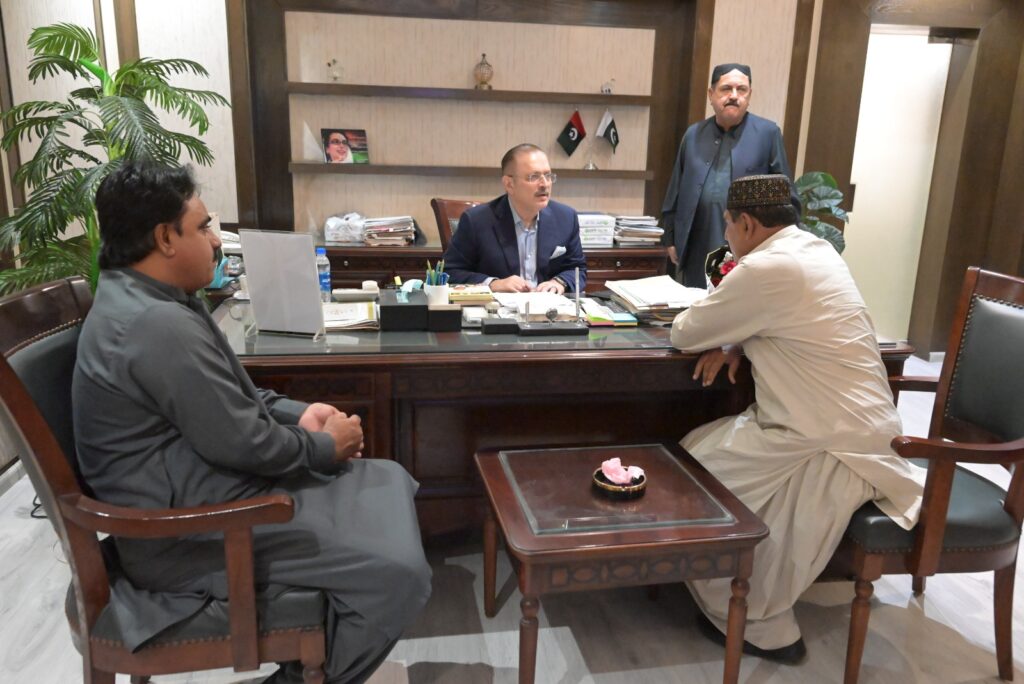
Sharjeel Inam Memon highlights Sindh’s healthcare and education reforms.
Sindh Senior Minister and Provincial Minister for Information, Transport and Mass Transit Sharjeel Inam Memon said the provincial government has declared health and education fundamental public rights.
He said the National Institute of Cardiovascular Diseases (NICVD) reflects the government’s “Health for All” vision.
Millions Benefit from Free Cardiac Care
According to Sharjeel Memon, 4,740,941 patients have received treatment through NICVD services. Of these, 4,184,950 patients were from Sindh.
The Sindh government has expanded modern cardiac care to several cities across the province. NICVD satellite units are also providing cardiac treatment in different regions.
Memon said the expansion aims to bring specialised healthcare closer to people outside Karachi.
Advanced Cancer Treatment Expanded
Memon said cancer patients in Sindh are receiving advanced treatment through CyberKnife technology.
He described the development of modern medical facilities as evidence of the government’s commitment to providing advanced healthcare.
PSCTF Excellence Awards Highlight Pakistan’s Push for African Markets
He also highlighted the role of the Sindh Institute of Urology and Transplantation (SIUT). The institution provides free treatment to underprivileged and deserving patients.
SIUT also offers modern care for complex diseases without discrimination, he said.
Focus on Children and Newborns
Memon said SIUT, NICVD and other institutions represent the government’s pro-people healthcare approach.
Meanwhile, modern medical facilities are being provided to children and newborns across Sindh through the Sindh Institute of Child Health and Neonatology (SICHN).
The government’s objective, he said, is to ensure that poverty does not prevent any citizen from receiving medical treatment.
Over 93,000 Teachers Recruited
Turning to education, Memon said reforms in the sector were essential for Sindh’s future.
He said the Sindh government has recruited more than 93,000 teachers on merit.
The government’s education policy goes beyond increasing school enrolment, he added. It also focuses on quality education and improved learning outcomes.
Memon cited a school in Latifabad, Hyderabad, as an example of efforts to improve public education facilities.
Peoples Schools and Aror University
Memon said the Peoples Schools initiative is playing an important role in providing quality education and modern learning environments.
He also highlighted Aror University as a key institution for modern education, research, art, design and cultural heritage.
He said investment in education and healthcare is ultimately an investment in Sindh’s future.
The minister reiterated that the government wants to ensure that no child is deprived of education and no citizen is denied medical treatment because of financial hardship.