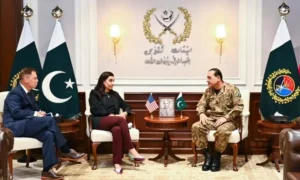
Saudi Arabia Drone Attacks Raise Regional Tensions as Iran Rejects US Peace Talks
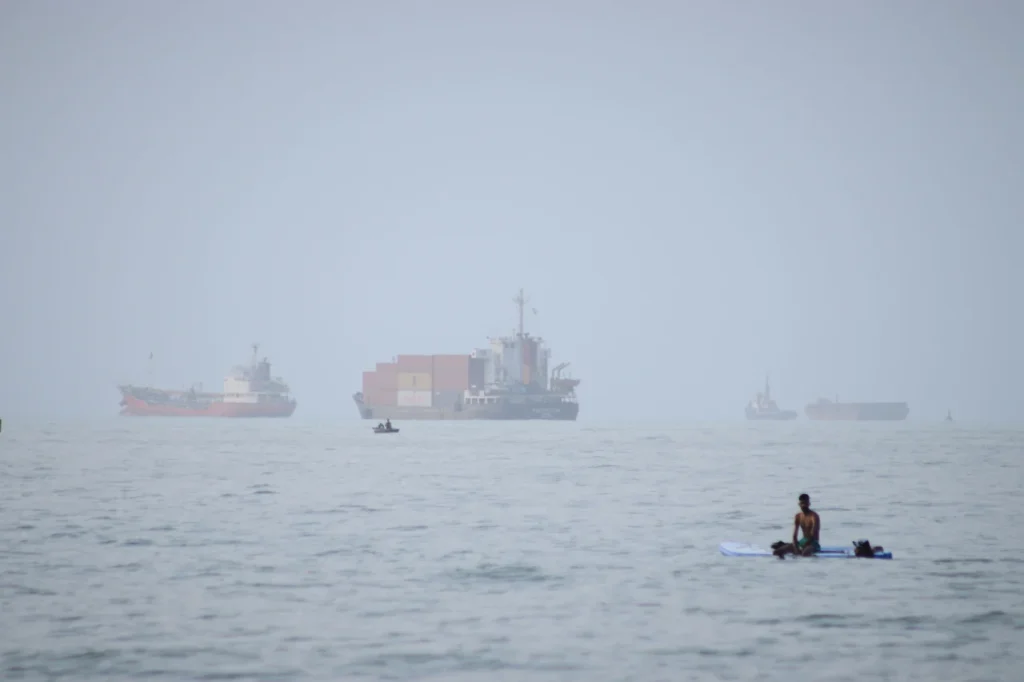
Saudi Arabia strengthens air defenses after drones targeted key oil facilities.
The conflict between Iran, the United States, and its regional allies has entered a more volatile phase after Saudi Arabia intercepted drones targeting critical oil infrastructure, while Tehran rejected the prospect of immediate peace talks with Washington. The latest developments underscore growing concerns over regional stability as military operations continue alongside diplomatic efforts to prevent a wider confrontation.
Saudi Arabia’s Ministry of Defense said several drones launched from Iraq were intercepted before reaching petroleum facilities in the kingdom’s Eastern Province and the Riyadh region. The attempted strikes represent another escalation in regional tensions and have drawn condemnation from several countries, including Kuwait, Qatar, Oman, and Lebanon.
Saudi Arabia Strengthens Security After Drone Threat
Regional leaders are closely monitoring the situation as fears mount over the security of vital energy infrastructure and international shipping lanes. Saudi Attacks have become a key concern for governments seeking to contain the conflict and prevent further instability across the Middle East. The latest drone incident has renewed worries about the vulnerability of strategic oil facilities and their potential impact on global energy markets.
Taylor Swift Net Worth Reaches $2 Billion as Forbes Names Her Among Iconoclast 50
Oman Intensifies Diplomatic Efforts
Amid rising tensions, Oman launched a fresh diplomatic initiative aimed at encouraging dialogue between Iran and the United States. Omani Foreign Minister Badr Albusaidi held discussions with his counterparts in Iran, Saudi Arabia, Qatar, Kuwait, and Egypt as part of a regional effort to promote de-escalation and explore a political path forward.
Iran Rejects Immediate Negotiations With Washington
Despite Washington’s decision to pause military strikes to create space for diplomacy, Tehran denied that any negotiations are currently taking place. Iranian Foreign Ministry spokesperson Esmaeil Baghaei said Iran would not allow the United States to dictate the timing of war or peace, adding that there are no ongoing talks between the two countries.
US President Donald Trump acknowledged that the conflict has reduced American stockpiles of advanced munitions but insisted the US military remains fully capable of sustaining operations. He also suggested that Russia may be sharing intelligence with Iran regarding US military bases, although he said such assistance has had little effect on American operations.
Regional Talks Continue Amid Maritime Concerns
Israeli Prime Minister Benjamin Netanyahu is travelling to Washington for talks with President Trump, where Iran is expected to dominate the agenda. Trump also dismissed questions about Israeli objections to potential US sales of F-35 fighter jets to Türkiye, stating that the United States alone decides its military exports.
Separately, Israeli and Lebanese officials are scheduled to meet in Rome from August 4 to 6 for another round of US-backed discussions aimed at implementing agreements designed to reduce tensions and advance broader peace efforts between the two countries.
Meanwhile, shipping intelligence firm Marisks reported that nearly all 78 vessels transiting the Strait of Hormuz since Saturday have followed the route designated by Iran, while none used the southern passage near Oman’s coast promoted by the United States. The development highlights persistent concerns over maritime security in one of the world’s most strategically important shipping corridors.
The latest military developments, diplomatic initiatives, and strategic movements indicate that the regional crisis remains highly unpredictable, with governments seeking to balance security measures against ongoing efforts to prevent the conflict from expanding further.