Cotton Output: OICCI Warns Declining Production Costs Pakistan Billions
Business chamber urges faster policy implementation and regulatory reforms to revive agriculture, boost exports, and attract investment.
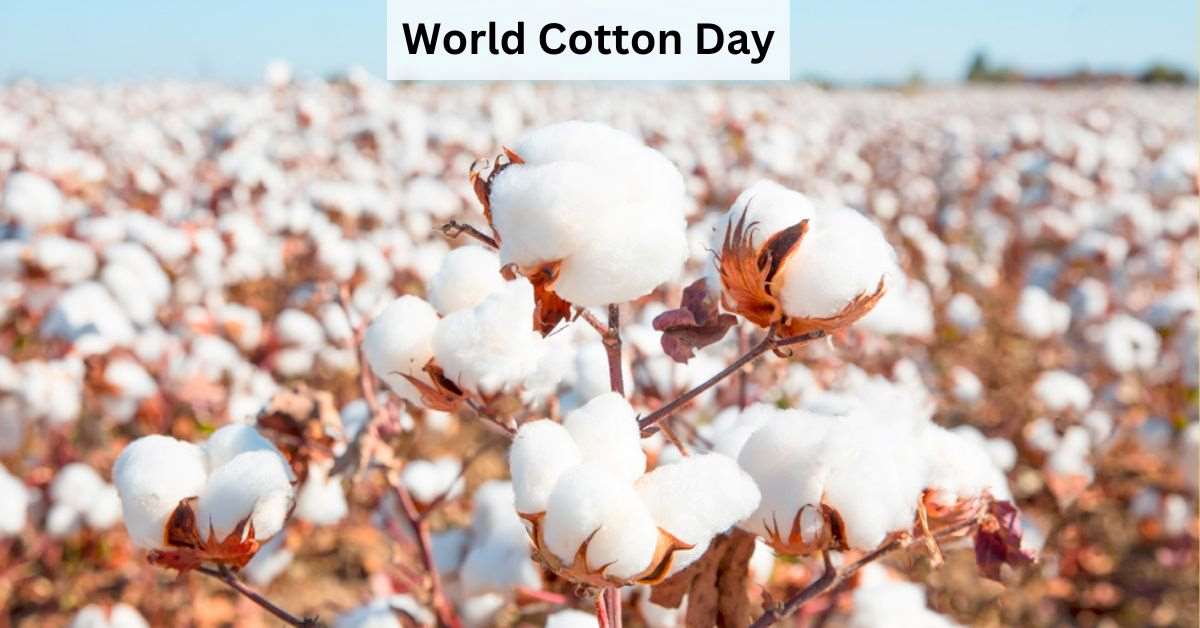
Pakistan's declining cotton production continues to weigh on the economy and exports.
Cotton Output in Pakistan has declined by more than half from its historic peak, costing the economy an estimated $2–3 billion annually in additional imports and lost export earnings, according to a new report released by the Overseas Investors Chamber of Commerce and Industry (OICCI).
The report, titled “Seeds of Growth,” draws on insights from leading OICCI member companies operating in the agriculture sector. It argues that regulatory delays and inconsistent policies, rather than a lack of technology or investment, continue to limit Pakistan’s agricultural performance.
SME Definition: Mian Zahid Urges Uniform Business Classification Across Institutions
Although agriculture contributes about 23 per cent to Pakistan’s GDP and employs 37 per cent of the workforce, the sector continues to lag behind regional competitors.
Cotton Production Falls Sharply
According to the report, Pakistan’s cotton production has dropped from around 14 million bales at its peak to an estimated 6.85 million bales in the 2025-26 season.
The latest figure is 34 per cent below the government’s production target of 10 million bales.
The report attributes the decline to climate-related challenges, pest attacks, poor-quality seed, and restrictions on certain pesticide ingredients introduced without a science-based transition plan.
Moreover, the report says increasing cotton production to 8–9 million bales would reduce pressure on foreign exchange reserves because the textile sector depends heavily on domestic cotton and generates nearly 60 per cent of Pakistan’s export earnings.
Biotechnology Policy Yet to Deliver
The report also highlights delays in implementing the National Biotechnology Policy, despite its recent approval by the federal cabinet.
According to OICCI, hybrid maize seed has already tripled per-acre yields over the past three decades. However, the delayed rollout of biotech corn hybrids is preventing Pakistan from unlocking significant export opportunities in maize grain and silage.
OICCI Secretary General M. Abdul Aleem welcomed the government’s approval of the biotechnology policy but stressed that effective implementation remains critical.
He said policy decisions alone would not deliver higher yields, stronger exports, or increased investor confidence unless authorities implemented them without delay.
Challenges Extend Beyond Cotton
The report identifies several weaknesses across other agricultural sectors.
It notes that fewer than 5 per cent of Pakistan’s potatoes come from certified processing-grade seed. Consequently, average yields remain between 20 and 23 tonnes per hectare, well below the 30 to 35 tonnes achieved in several competing countries.
Similarly, Pakistan processes only 10 per cent of its milk production, while inadequate cold-chain infrastructure leads to the loss of around 20 per cent of total milk output.
Meanwhile, tobacco growers have faced sharply rising production costs over the past three years. The report also highlights the continued presence of an undocumented tobacco sector operating outside the tax system in parts of Khyber Pakhtunkhwa and Azad Jammu and Kashmir.
Investment Depends on Regulatory Reforms
The report says predictable regulations will play a key role in attracting future foreign investment.
It notes that OICCI member companies have introduced advanced seed technology, crop protection products, and precision farming techniques. However, further investment will depend on a stable and transparent regulatory environment.
To improve agricultural productivity, the report recommends time-bound approval procedures for seed varieties and pesticides.
Additionally, it calls for a national strategy to reduce post-harvest losses, stronger enforcement against counterfeit seed, and expanded access to agricultural financing for smallholder farmers, who account for nearly 90 per cent of Pakistan’s landholders.