Diplomacy: Pakistan’s regional role highlighted at Middle East seminar
Diplomats and experts in Karachi underline Pakistan’s growing importance in promoting dialogue and stability amid Middle East tensions.
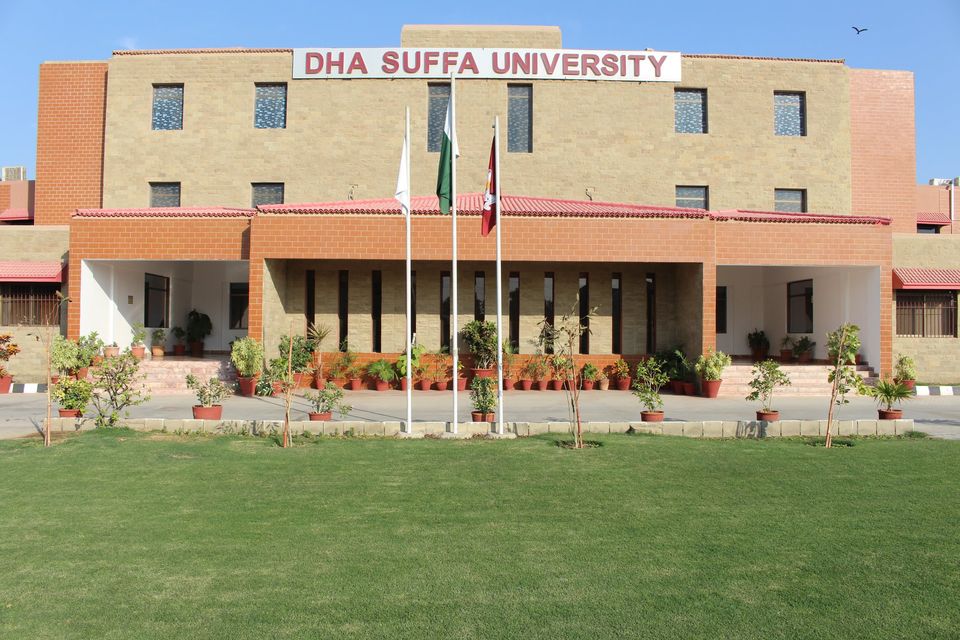
Diplomats and academics attend seminar at DHA Suffa University in Karachi on Middle East crisis and diplomacy.
KARACHI: Pakistan’s diplomatic approach and regional peace efforts came under focus at an international seminar held at DHA Suffa University, where diplomats and scholars discussed the evolving Middle East crisis and Islamabad’s role in promoting dialogue.
The seminar, titled “The Ongoing Middle East Crisis and Pakistan’s Role in Advocating Peace and Diplomacy,” brought together diplomats, academics and policy experts to examine shifting geopolitical dynamics and the need for sustained engagement over conflict.
Speakers highlighted Pakistan’s traditional emphasis on diplomacy, conflict resolution and regional stability, noting that Islamabad continues to advocate dialogue as the primary tool for addressing international disputes.
Karbala message: Laila urges Muslim Ummah to embrace sacrifice truth
Vice Chancellor Brig (R) Prof Dr Ahmed Saeed Minhas said Pakistan has consistently supported peacekeeping efforts and diplomatic solutions. He stressed that regional stability depends on engagement and de-escalation rather than military confrontation.
He also reiterated Pakistan’s security doctrine, stating that its deterrence posture remains focused on national security concerns related to India, while underlining the broader importance of diplomatic solutions to regional crises.
Diplomatic representatives attending the event included Herman Hardynata Ahmad, Consul General of Malaysia in Karachi; Dr Saeid Talebi Nia, Director General of the Cultural Centre of the Islamic Republic of Iran (Khana-e-Farhang) in Karachi; and Dmitrii Kosarev, Deputy Consul General of the Russian Federation in Karachi.
The Malaysian consul general said the Middle East crisis should be viewed through security, economic and geopolitical lenses, stressing that disruption in key maritime routes such as the Strait of Hormuz could severely affect global trade and energy flows.
He praised Pakistan’s efforts to encourage dialogue and reduce tensions, describing the country as an increasingly relevant actor in regional mediation and conflict resolution.
Dr Saeid Talebi Nia commended Pakistan’s diplomatic engagement and highlighted long-standing ties between Pakistan and Iran. He said Iran should not be viewed through a narrow sectarian framework and emphasised the country’s internal diversity.
He also rejected external narratives about Iran’s instability and expressed appreciation for support from regional partners including Pakistan, Turkey, Russia and China, while calling for deeper cooperation among regional states.
Speakers collectively emphasised that lasting peace in the Middle East can only be achieved through cooperation, dialogue and sustained diplomatic engagement rather than military escalation.