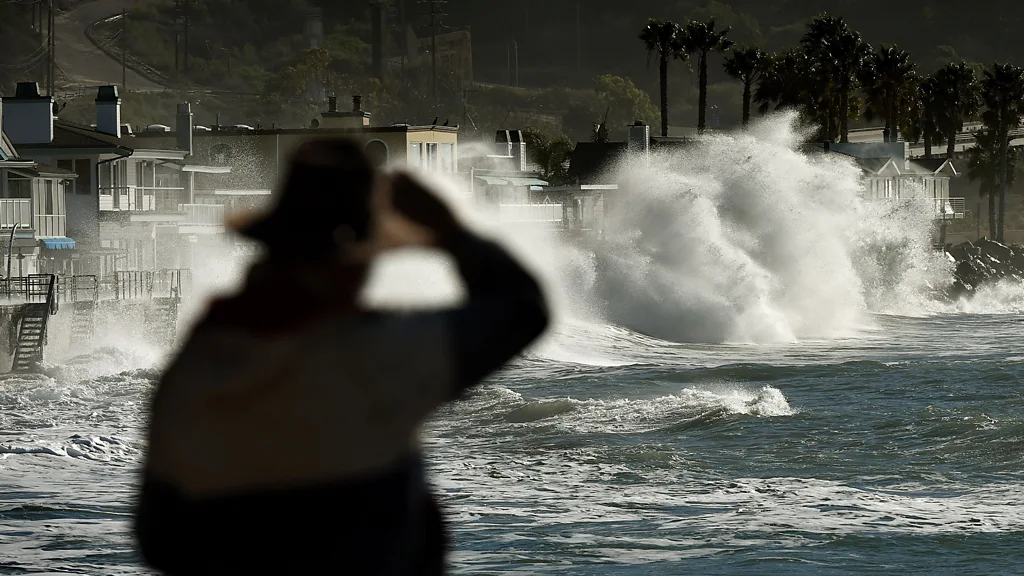
El Niño is reshaping global weather systems and intensifying climate patterns across North America as the Pacific warming phase strengthens, the US National Oceanic and Atmospheric Administration (NOAA) said on 11 June.
El Niño describes a periodic warming of Pacific Ocean surface waters above average levels. The phenomenon usually occurs every two to seven years. Scientists confirm it has already formed and expect it to intensify further, with a strong probability that sea surface temperatures will exceed 2°C later this year. Experts now classify the developing event among the strongest in decades.
Diabetes: First NHS drug delays type 1 onset by up to three years
NOAA warns that El Niño will suppress Atlantic hurricane activity while it boosts storm formation in the Pacific. Warmer Pacific waters provide extra energy for tropical systems, and this increases risks for western Mexico and surrounding regions. Hawaii rarely experiences direct landfalls, but meteorologists say storm risk will still rise.
In contrast, the Atlantic will likely see fewer hurricanes this season. Strong wind shear linked to El Niño disrupts storm formation and reduces cyclone development. NOAA forecasts a below-average season, with fewer storms compared to long-term averages.
Weather impacts vary widely across the United States. Southern regions will likely experience wetter conditions during autumn and winter. Increased rainfall may ease drought conditions in some areas, but it also raises flood risks. Atmospheric rivers may become more frequent, and they can bring intense rainfall and strong winds to parts of the US west coast.
Northern states and the Pacific Northwest will likely experience warmer and drier conditions as the jet stream shifts south. This shift reduces snowfall in parts of the northern Rockies and increases wildfire risk in coming months. Drier soils and earlier snowmelt will further increase fire danger in the next summer season.
Canada will likely see milder winter conditions, especially in western regions. Warmer temperatures will extend into spring during stronger El Niño events. Reduced snowfall and lower rainfall will dry out soils and trigger earlier snowpack melting. These conditions increase the likelihood of severe wildfires later in the year.
Scientists also highlight economic risks linked to agriculture. Key farming regions may face disruptions if rainfall patterns shift significantly. Crop yields in major agricultural zones could decline due to drought or flooding, and this may affect food supply chains and prices.
Researchers continue to monitor the evolving El Niño closely. They expect it to become one of the strongest events recorded in the past century. While outcomes remain uncertain, scientists agree that its impacts will significantly affect weather systems and daily life across multiple regions.