Iran Drone Formation: US Fighter Pilot Reports ‘Jellyfish-Like’ Drone Swarm Before F-15 Downing
Shocking debrief account claims Iranian drones moved in coordinated formation, sparking intelligence debate over emerging battlefield capabilities
US F-15 pilot reported witnessing coordinated Iranian drone swarm before aircraft was shot down over Iran
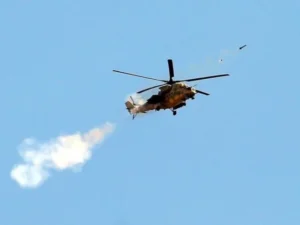
An F-15 pilot has described witnessing what appeared to be a highly coordinated Iranian drone formation moments before his aircraft was shot down over Iran, according to sources familiar with his debriefing. The report has intensified scrutiny of Iran’s evolving unmanned aerial capabilities amid ongoing regional tensions involving Iran.
The pilot, rescued by US special forces after ejecting, told intelligence officials that he saw multiple drones operating in a synchronized pattern resembling a “jellyfish-like” structure, with larger drones positioned above and smaller ones below, moving in unison. The incident reportedly triggered an internal debate within the US intelligence community over whether such a capability exists or whether the pilot’s account was affected by combat conditions.
Sources described the formation as a “minefield of drones,” while one account characterized the scene in striking terms as resembling interconnected systems moving together as a single unit. However, officials have not independently confirmed the existence of such a configuration, and investigations into the downing remain ongoing.
Oracle cuts 21,000 jobs as AI reshapes global tech workforce
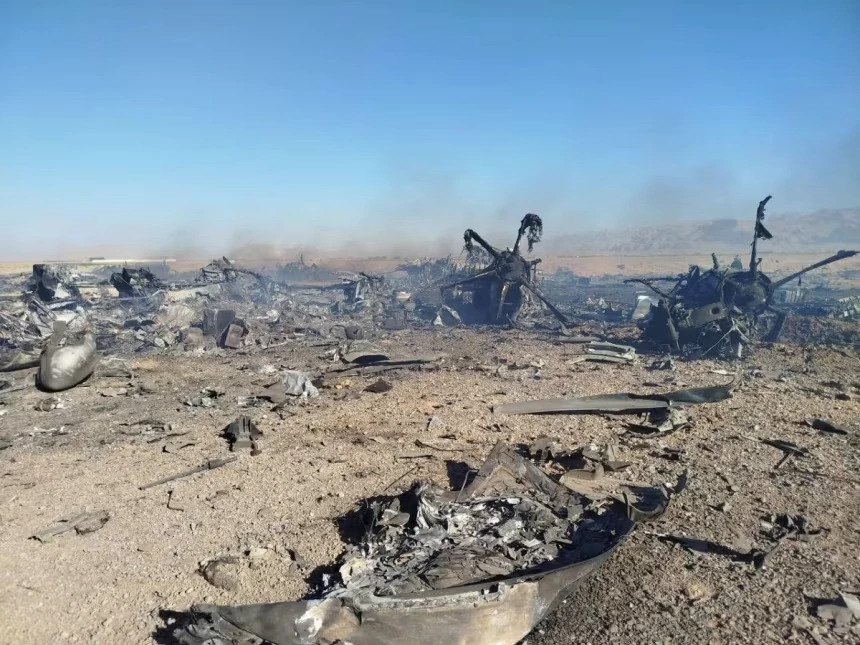
The aircraft, carrying a pilot and a weapons systems officer, was brought down during operations over Iranian territory. The pilot was rescued hours after ejecting, while his co-pilot evaded capture for more than a day before extraction. A separate A-10 aircraft was also lost during the rescue operation, though its pilot survived.
US intelligence assessments have so far not confirmed that Iran possesses “meshed networking” drone formations at this level of complexity, though analysts note that similar technologies exist in other major military powers. Experts say such systems could allow multiple drones to operate as a coordinated swarm under shared control.
Defense analysts warn that if verified, such capabilities would mark a significant escalation in drone warfare, potentially altering future battlefield strategies and forcing costly countermeasures from the United States and its allies.
The US Air Force has referred inquiries to US Central Command, which has not publicly commented on the incident. Intelligence agencies continue to assess the pilot’s account alongside technical data from the engagement.