Women Media Center Pakistan Highlights Women Journalists Leadership Challenges
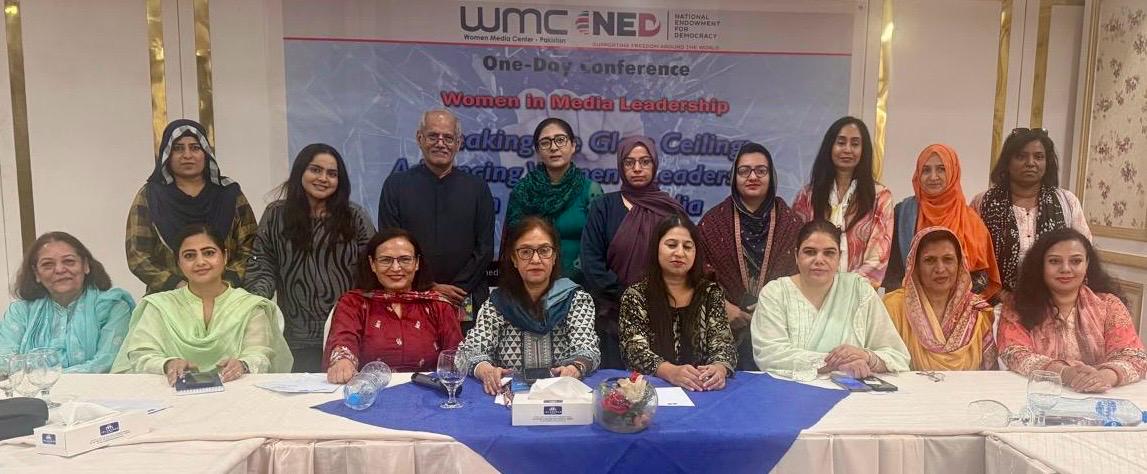
Women journalists and media leaders discuss representation in Islamabad.
Women journalists took center stage at a one-day conference in Islamabad organized in collaboration with Women Media Center Pakistan and the National Endowment for Democracy. The event brought together representatives from press clubs and journalist unions across Pakistan to discuss leadership opportunities, newsroom participation, and barriers affecting women across the media industry. Participants explored how stronger representation may shape future media institutions.
The conference focused not only on participation but also on decision-making influence. Speakers stated that women remain underrepresented in leadership despite growth across Pakistan’s media sector. Discussions emphasized practical reforms, improved workplace conditions, and equal access to leadership pathways. As a result, attendees called for sustained engagement between media organizations and professional bodies.
For mroe: easypaisa Expands Digital Payments At Islamabad International Airport
Fauzia Shaheen Highlights Gender Gap
Senior journalist and Women Media Center founder Fauzia Shaheen stated that women continue to face structural limitations in media organizations. According to remarks shared during the conference, concerns remain over limited access to leadership positions and field reporting opportunities.
She referred to findings from the Global Media Monitoring Project 2025 and noted that the gender gap continues to widen despite media expansion. She stated that women rarely appear in key decision-making positions and that only a small percentage of women reporters currently work in field assignments. Therefore, conference participants stressed the need for measurable institutional changes.
Speakers also argued that newsroom diversity influences coverage quality and professional development. They encouraged media stakeholders to create environments where women can contribute across reporting, production, and editorial roles.
Nuzhat Shireen Reflects on Media History
Former Chairperson of the Sindh Commission on the Status of Women, Nuzhat Shireen, reflected on historical participation by women journalists during periods of media activism. She stated that during the Zia-ul-Haq era, women journalists stood alongside male colleagues in struggles connected to media freedom.
Her remarks linked past contributions with current expectations for leadership participation. Moreover, she encouraged younger professionals to continue seeking representation within institutional structures.
Participants noted that historical examples demonstrate how sustained involvement can influence newsroom culture. Consequently, they emphasized preserving professional opportunities through inclusive policies and leadership access.
Fauzia Shahid Discusses Career Growth
Former Secretary of the National Press Club, Fauzia Shahid, stated that professional growth requires active participation and confidence. According to her interview remarks during the event, limiting professional ambitions can reduce advancement opportunities.
She also highlighted examples of women journalists who reportedly worked alongside men in prominent media roles. Her comments encouraged journalists to remain visible in reporting, organizational activities, and decision-making forums.
At the same time, speakers underlined that equal standards should guide appointments in press clubs and journalist unions. Participants shared recommendations designed to improve leadership selection processes.
Media Experts Recommend Policy Measures
Senior analyst Zafarullah Khan stated that formal policy development is necessary to address the concerns and demands raised by women journalists within professional unions. Participants agreed that structural support could strengthen representation and improve long-term outcomes.
Additionally, senior journalist Farhat emphasized that women supporting women remains important for professional advancement. Discussions highlighted mentorship, networking, and transparent leadership pathways.
The conference concluded with a shared message from speakers and participants. They emphasized that equal opportunities, safer working environments, and meaningful representation in decision-making processes remain essential for the future of Pakistan’s media industry. As discussions continue, participants expressed hope that dialogue will translate into practical reforms.