Iran US Deal Talks Advance as Ceasefire Negotiations Resume in Switzerland
Web Desk June 16, 2026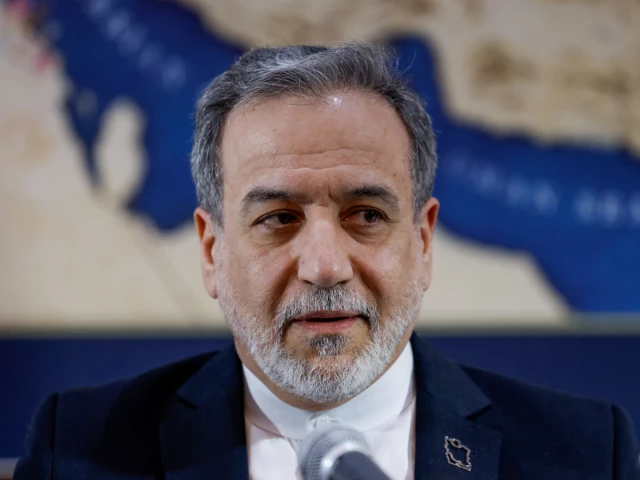
The Iran US deal reportedly moves into a new diplomatic phase as negotiations are scheduled to resume on Friday in Switzerland. Iranian Foreign Minister Abbas Araghchi said the talks aim to reach a final agreement following an interim understanding between the two sides.
Moreover, the discussions are expected to focus on extending ceasefire arrangements and stabilizing regional tensions. According to officials, the talks also reflect growing international pressure to prevent escalation. As a result, Switzerland has become a key venue for high-level diplomatic engagement.
For more: IFTECH Pakistan 2026 & Plasti&Pack Lahore Event Attracts Global Food Industry Leaders
Abbas Araghchi Iran US Deal Warning
Iranian Foreign Minister Abbas Araghchi warned that any Israeli military action in Lebanon or continued presence on Lebanese territory would violate the interim arrangement linked to the Iran US deal framework.
Furthermore, Araghchi stated that the agreement structure includes both regional and indirect parties. He reportedly described the framework as involving the United States and Israel on one side, and Iran and Hezbollah on the other. Consequently, the statement highlights the complexity of the ongoing negotiations.
Donald Trump Iran US Deal Statement
US President Donald Trump said that a preliminary agreement related to the Iran US deal has already been signed, though full details have not been officially released.
In addition, Trump stated that Vice President JD Vance would attend a formal signing ceremony in Geneva. However, officials clarified that the document remains an interim memorandum. Therefore, final terms are still under negotiation.
Strait Of Hormuz Iran US Deal Impact
The Iran US deal discussions reportedly include provisions linked to the reopening of the Strait of Hormuz, a critical global oil shipping route. The waterway had been partially affected during earlier tensions between Iran and Western allies.
Moreover, reports suggest that restoring full maritime movement could stabilize global energy markets. Oil prices reportedly declined following expectations of reduced regional risk. As a result, international shipping stakeholders are closely monitoring the outcome.
Israel Hezbollah Iran US Deal Tensions
Tensions remain high as Israel and Hezbollah continue to be linked to broader regional disputes connected to the Iran US deal framework. The conflict in Lebanon has reportedly displaced large populations and increased diplomatic pressure for a ceasefire.
Additionally, Israeli Prime Minister Benjamin Netanyahu stated that Israel will maintain security positions in southern Lebanon. Meanwhile, Iran insists that any agreement must include a complete cessation of hostilities. Consequently, disagreements remain a major obstacle to long-term peace.
Global Response Iran US Deal Agreement
A group of 17 countries reportedly welcomed progress on the Iran US deal, calling it an opportunity to restore regional stability and global economic balance.
Furthermore, nations including the UK, France, Germany, Japan, Canada, and others urged the reopening of the Strait of Hormuz and full implementation of diplomatic commitments. They also expressed readiness to support sanctions relief tied to verified nuclear compliance. Therefore, international stakeholders continue to push for rapid diplomatic progress.