Energy & Environment Action Summit 2026 Highlights Water Security and Women’s Resilience in Karachi
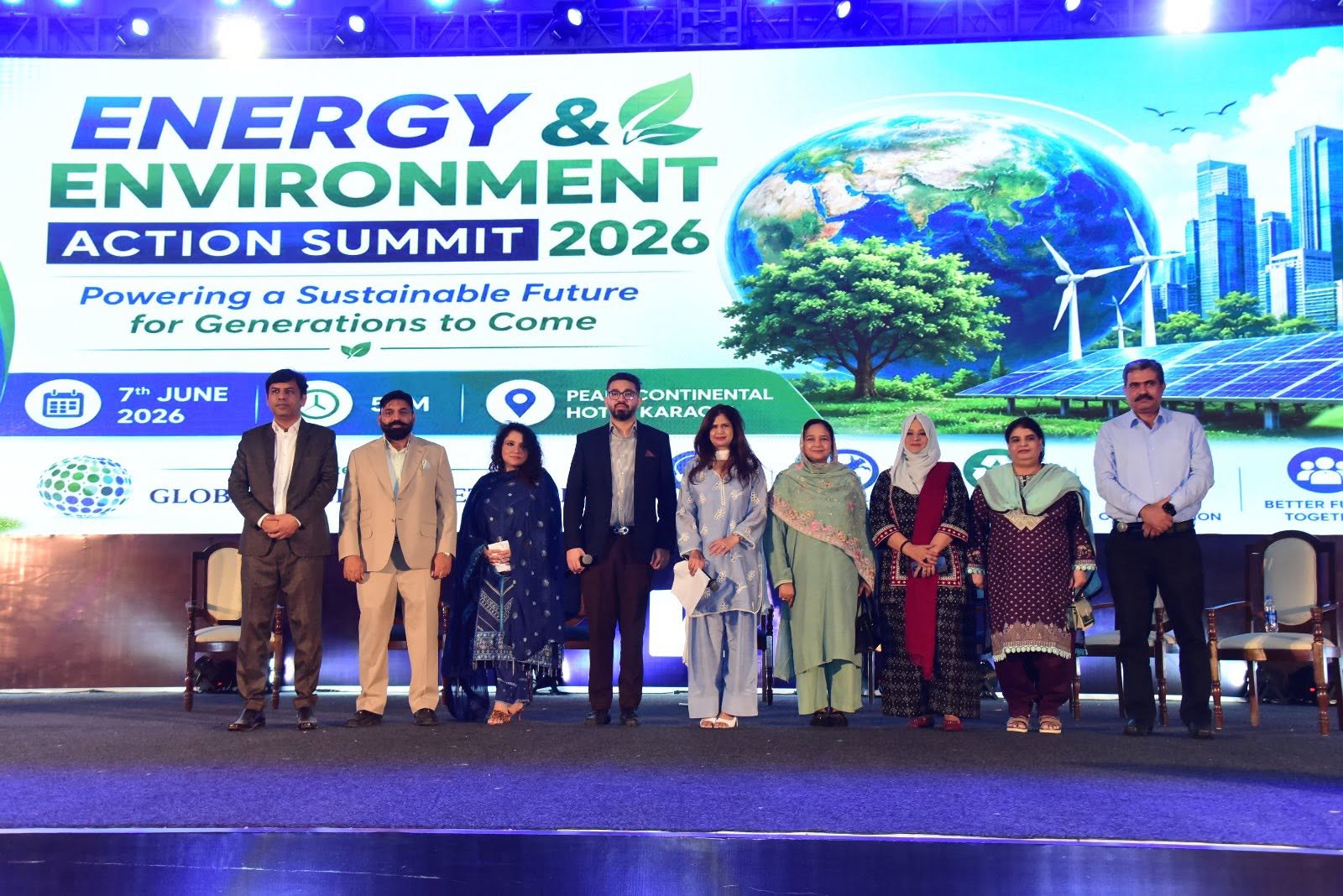
Leaders discuss water security and women’s resilience at Karachi’s Energy & Environment Action Summit 2026.
Water Security became a key discussion point at the Energy & Environment Action Summit 2026 in Karachi, where leaders from government, industry, academia, and development organizations explored sustainable solutions for Pakistan’s future.
During the event, a panel discussion highlighted how water security connects with women’s resilience, especially as climate change increases pressure on communities. The conversation focused on why inclusive solutions are essential for stronger climate adaptation.
Energy Summit Highlights Water Security Challenges
The Energy & Environment Action Summit 2026 brought together experts to discuss environmental priorities and sustainable development. Moreover, the panel examined how communities can respond to growing water-related challenges.
Water Security remains a major concern as changing climate patterns affect access to reliable water resources. Therefore, experts emphasized the need for long-term planning, stronger policies, and community participation.
The discussion also highlighted the role women play in managing household water needs and supporting family livelihoods. Additionally, women often contribute directly to local resilience efforts during environmental challenges.
Women Leadership Supports Water Security Goals
Women leadership emerged as an important theme during the conversation. According to interview remarks shared during the event, empowering women with resources and decision-making opportunities can strengthen climate resilience.
Furthermore, women’s participation in environmental planning can help create solutions that address real community needs. As a result, inclusive approaches may improve sustainable water management systems.
The panel stated that water security is not only an environmental issue but also a social and economic priority. Consequently, supporting women as agents of change can contribute to more resilient communities.
Karachi Dialogue Connects Climate And Communities
The Karachi summit discussion reinforced the connection between climate action and community development. Moreover, participants shared insights on creating solutions that balance environmental protection with social progress.
Water Security challenges require collaboration between policymakers, organizations, and local communities. Therefore, partnerships across different sectors remain important for building sustainable systems.
The conversation also focused on future generations and the importance of investing in climate-resilient strategies. In addition, the discussion encouraged broader participation in environmental decision-making.
Sustainable Solutions Need Inclusive Action
The Energy & Environment Action Summit 2026 highlighted the importance of combining sustainability efforts with social empowerment. Furthermore, the event showed how environmental challenges affect different groups in unique ways.
By improving access to resources and strengthening participation, communities can develop stronger responses to climate pressures. However, continued cooperation remains necessary to achieve lasting progress.
The panel discussion concluded with a focus on collaboration, innovation, and inclusive solutions. Ultimately, water security and women’s resilience remain closely connected priorities for Pakistan’s sustainable future.