Iran Israel: Iran IRGC Missile Escalation Sparks Crisis
The Iran Israel conflict has sharply escalated after new missile exchanges and airstrikes across the Middle East. According to officials, Iran and Israel both launched coordinated attacks that triggered fears of a wider regional war.
The Iran Israel tensions now involve multiple fronts, including Lebanon, Yemen, and the Persian Gulf. The situation continues to evolve rapidly, with diplomatic channels under severe pressure.
Iran Supreme Leader Escalation Warning
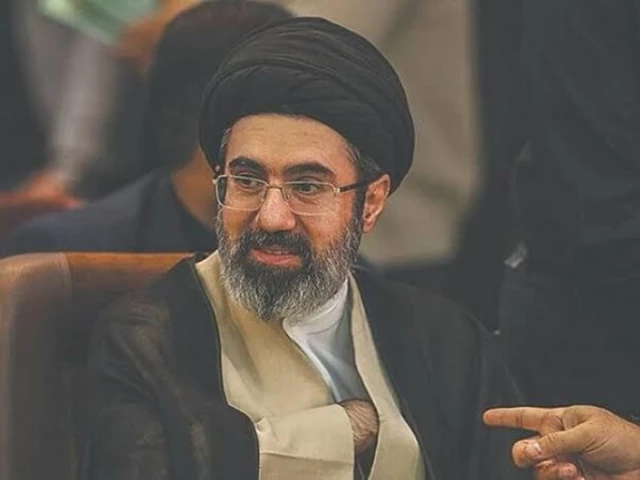
Mojtaba Khamenei reportedly warned that the “Zionist regime has few days left,” signaling heightened rhetoric amid the crisis.
Iran’s leadership framed the escalation as defensive. Meanwhile, officials said retaliation followed Israeli strikes on Iranian-linked infrastructure. The language has intensified concerns of prolonged conflict.
IRGC Missile Strikes Israel Response
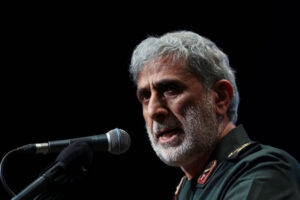
Islamic Revolutionary Guard Corps confirmed missile launches toward northern Israel, including reported strikes near Haifa. The group said the attacks were retaliation for Israeli strikes on Iranian facilities.
Iran stated that the strikes targeted military-linked sites. Israeli defense systems reportedly intercepted multiple incoming missiles. The situation remains highly volatile with continued alerts across northern and central regions.
Israel Airstrikes Target Iran Facilities
Israel launched airstrikes on western and central Iran, with explosions reported in cities including Tehran, Isfahan, and Tabriz.
Israeli officials stated that the strikes targeted strategic military infrastructure. Iranian sources reported activation of air defense systems and limited damage to industrial facilities. Civil aviation disruptions were also reported in parts of Iran.
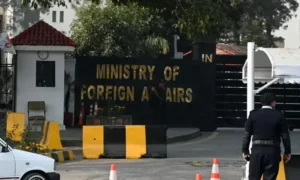
Iran Foreign Ministry US Accusations
Iran accused the United States of indirect responsibility for the ongoing escalation. Iranian officials claimed Washington’s position has influenced regional stability.
Spokesperson Esmaeil Baghaei said diplomatic exchanges with the US are continuing under “extreme suspicion.” Iran also warned it may respond to any international resolutions against it at upcoming UN nuclear meetings.
EU Calls for Immediate Ceasefire Talks
European Union foreign policy chief Kaja Kallas warned that the Middle East “does not need escalation.” She urged immediate ceasefire efforts and renewed negotiations.
The EU emphasized the need to stabilize maritime routes and reopen key trade passages. Officials also highlighted the importance of returning to nuclear diplomacy and avoiding broader regional spillover.
Regional Actors Expand Conflict Scope
Other regional actors have also entered the tensions. Yemen’s Houthi movement announced a maritime blockade threat against Israeli-linked shipping in the Red Sea.
Houthi movement said it would escalate military actions in coordination with allied groups. The move raises further risks for global trade routes and energy shipping lanes.
Israel Security Cabinet Emergency Meeting
Benjamin Netanyahu convened a security cabinet meeting following renewed missile exchanges. The meeting focused on defense readiness and continued air operations.
Israel’s military also reported intercepting missiles from multiple directions, including Yemen and Iran-linked trajectories. Airspace restrictions were briefly imposed during the attacks.