Iran FM Araghchi Returns to Islamabad as US-Iran Talks Face Fresh Uncertainty
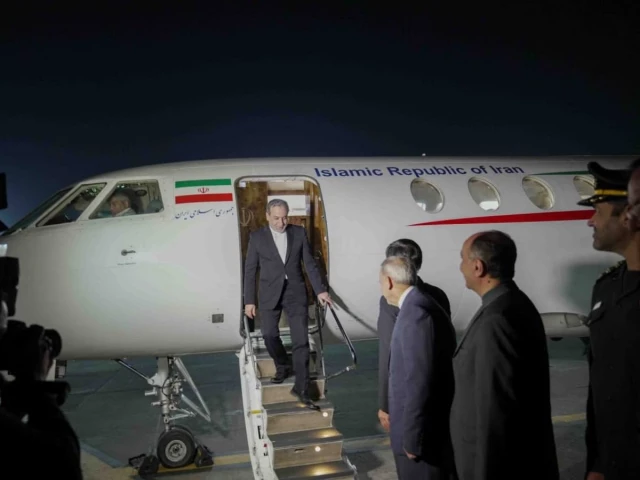
Web Desk April 26, 2026Islamabad — Abbas Araghchi returned to Islamabad on Sunday following a brief visit to Muscat, as diplomatic efforts surrounding stalled US-Iran talks continue amid mounting uncertainty.
Islamabad — Abbas Araghchi returned to Islamabad on Sunday following a brief visit to Muscat, as diplomatic efforts surrounding stalled US-Iran talks continue amid mounting uncertainty.
Punjab Extends Section 144, Bans Outdoor Drone Flying Amid Security Concerns
According to Islamic Republic News Agency, the Iranian foreign minister arrived back in the Pakistani capital from Muscat, while a separate Iranian delegation also reached Islamabad from Tehran to support ongoing consultations.
The renewed diplomatic activity comes a day after a setback in the anticipated talks, when Donald Trump announced that the United States would not send its delegation to Islamabad despite earlier indications. The cancellation has cast doubt over the immediate prospects of direct engagement between Washington and Tehran.
Security in Islamabad was visibly heightened, with authorities once again closing the Express Highway as part of strict arrangements for the high-level visit. Officials said the movement of foreign delegations linked to the talks necessitated enhanced security protocols across key areas of the city.
Earlier, in Muscat, Araghchi held discussions with Haitham bin Tariq, focusing on regional developments and mediation efforts aimed at de-escalating tensions between the United States and Iran. Oman’s Foreign Ministry said the meeting included consultations on ongoing conflicts and diplomatic initiatives to restore stability in the region.
Araghchi had departed Pakistan for Oman on Saturday after holding a series of high-level meetings in Islamabad with Shehbaz Sharif, Asim Munir, and Ishaq Dar. His visit is part of a broader regional tour that also includes Moscow, aimed at coordinating positions with key partners on bilateral and regional issues.
Meanwhile, President Trump, in a statement, cited logistical concerns and internal divisions within Iran’s leadership as reasons for cancelling the US delegation’s visit. He remarked that Washington remains open to dialogue but insisted that Tehran must take the initiative.
The latest developments follow a Pakistan-brokered ceasefire that briefly opened the door for rare direct engagement between the US and Iran. Although preliminary discussions were held in Islamabad, negotiations ended without agreement. Araghchi later said both sides were close to finalizing what he described as the “Islamabad MoU.”
Tehran has blamed the breakdown on what it called Washington’s “maximalist positions,” while US officials maintain that Iran failed to provide firm assurances regarding its nuclear ambitions.