US-Iran Talks in Islamabad Face Uncertainty as Ceasefire Nears End
Web Desk April 21, 2026Islamabad: The United States has expressed confidence that peace talks with Iran will proceed in Pakistan, although uncertainty persists as a fragile ceasefire approaches its deadline.
Islamabad: The United States has expressed confidence that peace talks with Iran will proceed in Pakistan, although uncertainty persists as a fragile ceasefire approaches its deadline.
Tiggo 7 PHEV vs Jaecoo J7: Same Roots, Different Value in Pakistan’s SUV Market
According to officials, Washington is pushing for renewed negotiations to stabilise global oil markets and prevent further economic shocks. Donald Trump has reiterated that any agreement must ensure Tehran cannot develop nuclear weapons, while Iran is seeking sanctions relief without compromising its nuclear programme.
A senior Iranian official told Reuters that Tehran is “positively reviewing” participation in the next round of talks, though no final decision has been made. The second round is tentatively scheduled in Islamabad, with JD Vance expected to lead the American delegation.
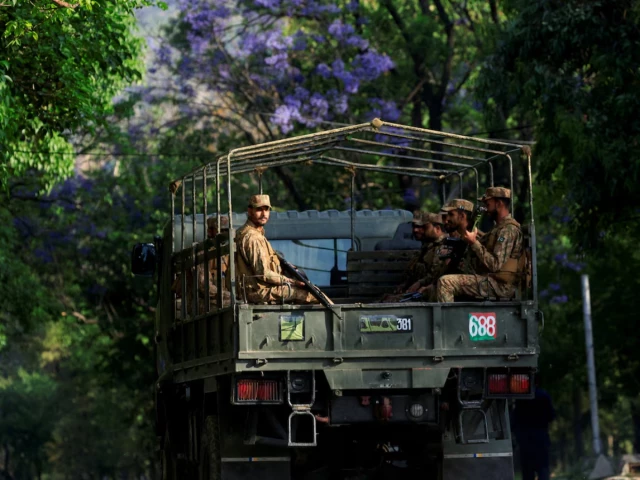
Officials in Islamabad say preparations are underway, but caution that the situation remains fluid amid escalating rhetoric between both sides. Reports indicate US military aircraft have already landed at Nur Khan Airbase, signalling that logistical arrangements are progressing despite Iran’s public hesitation.
Financial markets reacted cautiously to the developments. Oil prices fell in early Asian trading on optimism surrounding potential talks, reversing earlier gains driven by uncertainty. Brent crude dipped to around $94.94 per barrel, while US West Texas Intermediate dropped to approximately $88.50.
Tensions, however, remain high. Tehran has condemned Washington over the interception of the Iranian vessel Touska, calling it a violation and demanding the release of the ship and its crew. The US Central Command said the vessel ignored repeated warnings and allegedly carried dual-use materials.
Meanwhile, China — a key buyer of Iranian oil — has voiced concern over the incident. Iranian officials have also accused Washington of undermining diplomatic efforts through continued blockades and military pressure.
The conflict, which escalated earlier this year, has already disrupted global energy supplies, particularly through the strategically vital Strait of Hormuz, through which a significant share of the world’s oil passes. Pakistan, acting as mediator, has urged de-escalation and pushed for a negotiated settlement.
With the ceasefire expected to expire within hours, the planned Islamabad talks could prove critical. While both sides signal willingness to engage, deep mistrust and ongoing tensions continue to cast doubt over the outcome.