Dog Bite Prevention Seminar Urges Coordinated Action to Tackle Rabies Crisis in Pakistan
Dog Bite Prevention Seminar Urges Coordinated Action to Tackle Rabies Crisis in Pakistan

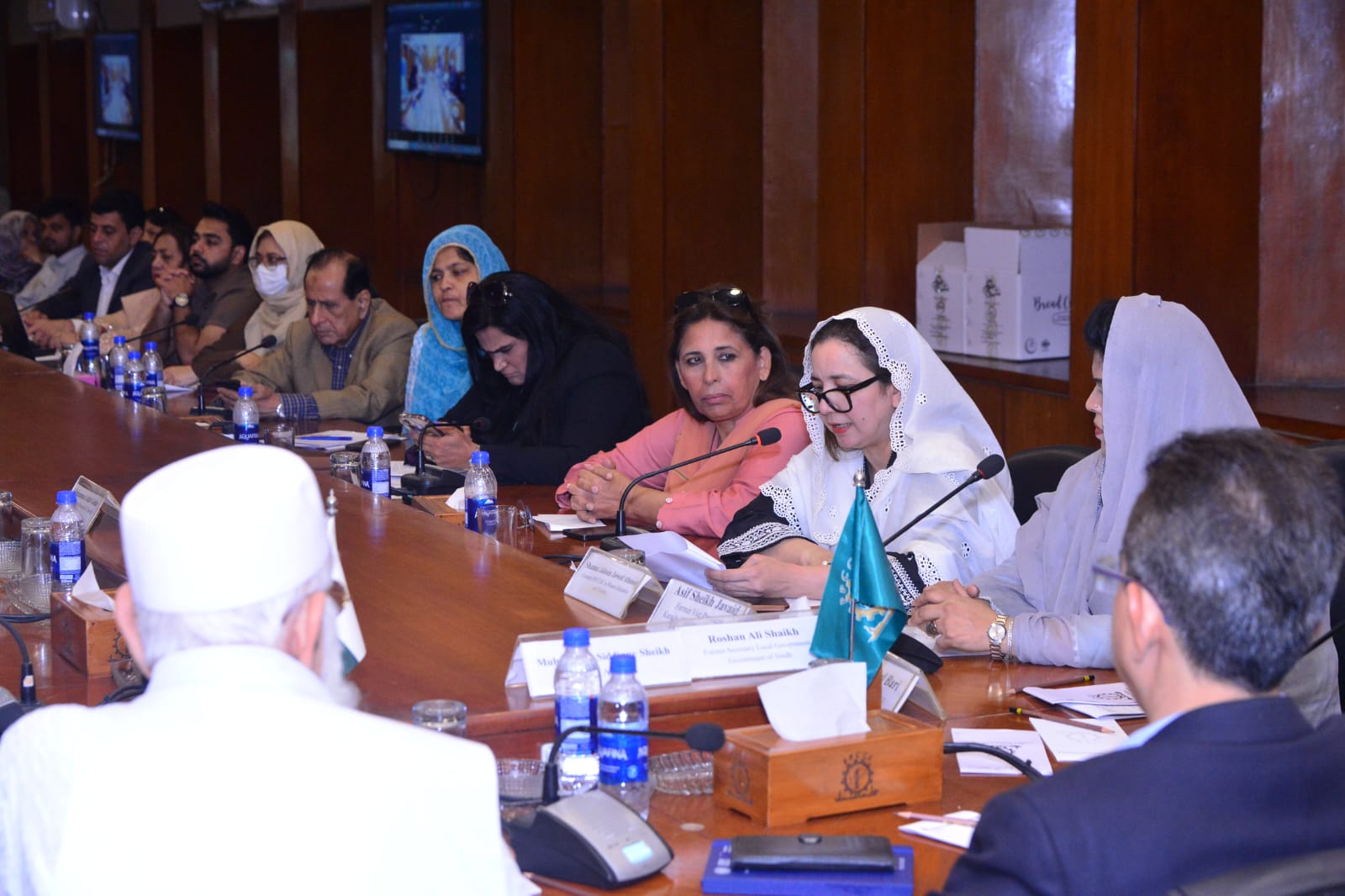
Karachi: A high-level multi-stakeholder seminar on dog bite prevention and rabies control called for urgent coordinated action among government institutions, healthcare providers, and civil society to address what experts described as a growing public health emergency in Pakistan.
Thai Consulate in Karachi Celebrates Songkran Festival with Cultural Festivities
The seminar, held at the Federation of Pakistan Chambers of Commerce and Industry (FPCCI), brought together policymakers, medical professionals, government officials, media representatives, and civil society actors to develop a unified strategy for rabies prevention, control, and public awareness.
FPCCI President Atif Ikram Sheikh and Vice Presidents attended the session, while CSR activist Muhammad Siddique Sheikh opened the discussion, stressing the need for sustained institutional collaboration and immediate intervention backed by modern public health practices and awareness campaigns.
Dr. Naseem Salahuddin, Head of Infectious Diseases at Indus Hospital and Health Network, presented alarming data on rabies in Pakistan. She said approximately 600,000 dog bite cases were reported in 2025, including around 300,000 cases in Sindh alone, with a significant concentration in Karachi.
She emphasized that rabies is preventable through timely treatment, but delays in post-exposure care, lack of awareness, and limited access to vaccines continue to result in avoidable deaths. She urged strict adherence to WHO-recommended Post-Exposure Prophylaxis (PEP) protocols and stronger healthcare preparedness.
Former Secretary Local Government and ex-Commissioner Karachi Roshan Ali Shaikh highlighted structural issues behind the crisis, including poor waste management, uncontrolled stray dog population growth, and the absence of a comprehensive policy framework. He stressed that sustainable control requires integrated urban management, mass vaccination of dogs, and long-term institutional coordination.
Director General PID Karachi Irum Tanveer underscored the importance of strategic communication, noting that media and digital platforms play a crucial role in shaping public awareness and countering misinformation. She called for nationwide awareness campaigns through schools, religious platforms, and mass media to support rabies prevention efforts.
Technical experts, including Muhammad Aftab Gohar from the Rabies Prevention and Training Center, shared insights on international best practices such as Mass Dog Vaccination (MDV) and Dog Population Management (DPM) under the WHO’s One Health framework.
Participants recommended declaring rabies a public health emergency and identified critical gaps, including insufficient availability of Rabies Immunoglobulin (RIG), inadequate training of healthcare workers, weak surveillance systems, and limited public education.
Experts concluded that Karachi has the potential to evolve into a model city for sustainable rabies control in Sindh and across Pakistan if coordinated policies and long-term preventive strategies are implemented effectively.
The seminar ended with a vote of thanks by Muhammad Tahir Ansari, Convener of the CSR Central Standing Committee on Rural and Urban Development.