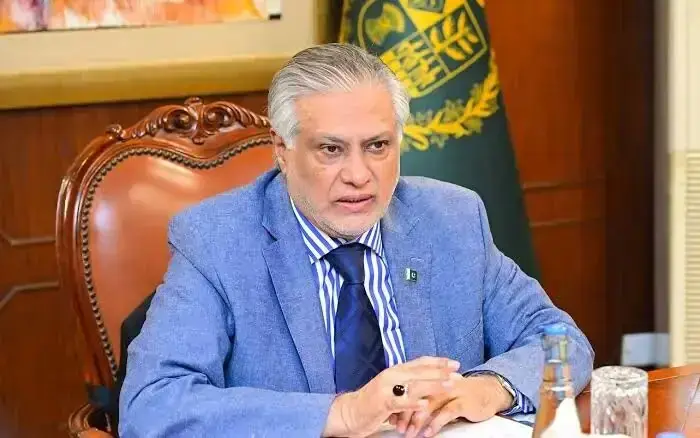
Islamabad, April 7, 2026: Deputy Prime Minister and Foreign Minister Ishaq Dar on Tuesday expressed deep concern over the rising tensions in the Middle East, noting that Pakistan’s diplomatic efforts to create a space for dialogue have been undermined by recent developments, including Israeli strikes on Iran and retaliatory attacks by Iran on Saudi Arabia’s petrochemical facilities.
China and Russia Veto UN Resolution on Strait of Hormuz Amid Escalating Tensions
Addressing the Senate, FM Dar highlighted Pakistan’s proactive engagement since the outset of the crisis, describing Islamabad’s role as a facilitator and mediator seeking to prevent further escalation. He regretted that despite sustained efforts, the situation had once again deteriorated.
“Pakistan has tried until the last moment to create space for a pause and meaningful engagement between the parties,” he said, noting that a major Israeli attack on Iran and the subsequent strike on Jubail in Saudi Arabia had made the situation “more dangerous and sensitive.”
FM Dar emphasized that prolonged conflict could have serious consequences globally and for Pakistan, particularly in terms of rising oil prices and economic pressures. Nevertheless, he expressed hope that continued diplomatic engagement could eventually lead to a “dignified resolution of the conflict.”
He briefed lawmakers on earlier efforts, including his immediate response following the first attack on Iran while he was in Madina for an OIC meeting. Pakistan had issued strong condemnation, contacted Iranian officials to convey support, and maintained close communication with global and regional partners such as China, Japan, the UK, Canada, and several European states to encourage restraint.
FM Dar also outlined Pakistan’s participation in multilateral initiatives, including a March 19 meeting in Riyadh hosted by Saudi Arabia with representatives from 12 countries and a quadrilateral meeting involving Saudi Arabia, Egypt, Türkiye, and Pakistan. Both meetings focused on promoting peace and issuing balanced statements condemning hostilities.
During his March 31 visit to China, FM Dar discussed a five-point peace initiative aimed at stabilizing the region. He also held separate telephone conversations with the foreign ministers of Bahrain and Norway to review the situation, coordinate diplomatic efforts, and maintain dialogue to prevent further escalation.
“Prime Minister Shehbaz Sharif, Field Marshal Syed Asim Munir, and the Foreign Office remained fully engaged throughout the diplomatic process,” FM Dar added, underscoring Pakistan’s commitment to peace and regional stability.