

Trump to Address Nation on Iran War, Signals Possible Early Exit
Trump to Address Nation on Iran War, Signals Possible Early Exit
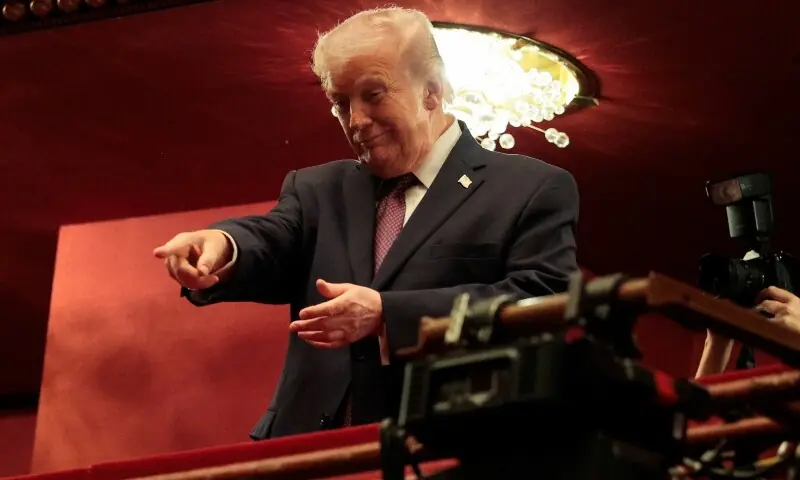
WASHINGTON: US President Donald Trump is set to address the nation at 9pm (EST) on Wednesday, with the White House promising an “important update on Iran,” raising speculation that he may announce an end to the five-week conflict—with or without a formal agreement.
Iran Threatens US Tech Firms, Rejects Diplomacy Claims Amid Escalating War
According to US media reports, Trump has increasingly downplayed the need for a negotiated settlement. Speaking at the White House, he indicated that American forces could withdraw from Iran within “two or three weeks.”
“We’ll be leaving very soon because there’s no reason for us to do this,” Trump said, suggesting that preventing Iran from acquiring nuclear weapons may be sufficient to declare success, even in the absence of a deal.
The evolving stance comes amid rising domestic pressure. Surveys cited by USA Today indicate that a majority of Americans favor ending the conflict, even if key objectives remain unmet.
The war, now in its fifth week, was initially projected to last four to six weeks, according to The Wall Street Journal. Reports also suggest that Trump is willing to end the campaign even if the Strait of Hormuz remains partially closed, avoiding a potentially risky military operation to reopen it.
Meanwhile, Trump told NBC News that the conflict is “coming to an end,” reinforcing expectations of a possible de-escalation announcement.
Despite the rhetoric, debate continues in Washington over the long-term strategy. Analysts and policymakers are increasingly calling for a negotiated settlement rather than a unilateral withdrawal.
A joint five-point peace initiative by Pakistan and China has also drawn attention, proposing a diplomatic pathway to restore stability in the region.
Commenting on the initiative, scholar Vali Nasr described it as a potential opening for Beijing to play a larger mediating role, while analyst Michael Kugelman said it signaled China’s endorsement of ongoing peace efforts.
At the same time, policy voices in Washington remain divided. Richard N. Haass warned against attempts to “finish the job” militarily, arguing that such strategies have historically failed and could carry significant risks in Iran.
Haass instead advocated for a pragmatic approach, including reopening the Strait of Hormuz, avoiding escalation, and pursuing negotiations to limit Iran’s nuclear programme.
Trump’s address is expected to clarify whether the United States will pivot toward diplomacy, declare unilateral success, or maintain pressure under a conditional ceasefire framework.
For Pakistan, which has positioned itself alongside China in promoting dialogue, any move toward de-escalation could enhance its diplomatic standing on the global stage.