FPCCI Raises Alarm over Hormuz Crisis, Warns of Economic Shockwave Declare Energy Emergency, Says Saquib Fayyaz Magoon
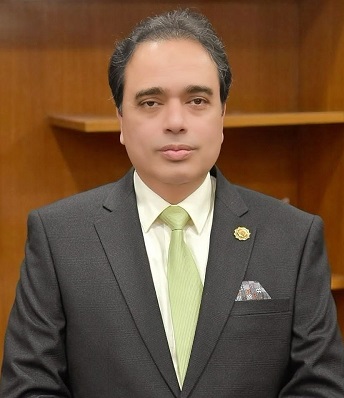
KARACHI: Saquib Fayyaz Magoon, Senior Vice President of the Federation of Pakistan Chambers of Commerce & Industry (FPCCI) and Chairman Businessmen Panel Progressive (BMPP), cautioned that rising tensions in the Gulf and the potential closure of the Strait of Hormuz pose a serious threat to Pakistan’s fragile economy, urging the government to immediately declare an energy emergency and secure alternative supply lines.
In a statement, Saquib Fayyaz Magoon said the prevailing regional situation had rendered global energy supply chains “extraordinarily unstable”, warning that the fallout would be felt directly by energy-importing countries like Pakistan. “The Strait of Hormuz handles nearly 20 per cent of the world’s oil shipments. Any disruption there would not only jolt global markets but could trigger an economic crisis for countries heavily reliant on imported fuel,” Mr. Magoon said.
Pakistan meets a substantial portion of its energy requirements through imports from Saudi Arabia, the United Arab Emirates and Qatar. Even minor interruptions in crude oil or liquefied natural gas (LNG) supplies, he said, could drive up fuel and electricity prices, exacerbating inflationary pressures and deepening the cost-of-living crisis.
Saquib Magoon noted that Port Qasim and Karachi Port are directly linked to Gulf shipping routes, making Pakistan particularly vulnerable to maritime disruptions. “Any obstruction to sea lanes will sharply increase freight charges, delay shipments and place immense strain on supply chains,” he said.
Referring to recent hostilities involving Iran and reported retaliatory actions, he said tanker movements had already been affected, pushing daily LNG freight rates up by more than 40 per cent. Rates in the Pacific basin have also climbed significantly, reflecting heightened risk perceptions among global shippers and insurers.
While he acknowledged that Gwadar Port could gain strategic importance in the longer term, Mr Magoon warned that the immediate outlook remained troubling. “At present, Pakistan is exposed to a severe economic shock if tensions persist or escalate,” he added.
Calling for swift action, the FPCCI leader urged the government to make emergency arrangements for alternative energy supply routes, build up strategic petroleum reserves and intensify diplomatic efforts to help de-escalate tensions in the region.
He stressed that timely policy intervention would be crucial to shield industry and consumers from the cascading impact of rising import costs, volatile exchange rates and potential energy shortages.
“Pakistan’s industrial sector cannot afford another external shock,” Saquib Magoon said, adding that coordinated action between policymakers, regulators and the business community was essential to navigate the unfolding crisis.