US Orders Withdrawal of 5,000 Troops from Germany Amid Rising Tensions with European Allies
US Orders Withdrawal of 5,000 Troops from Germany Amid Rising Tensions with European Allies
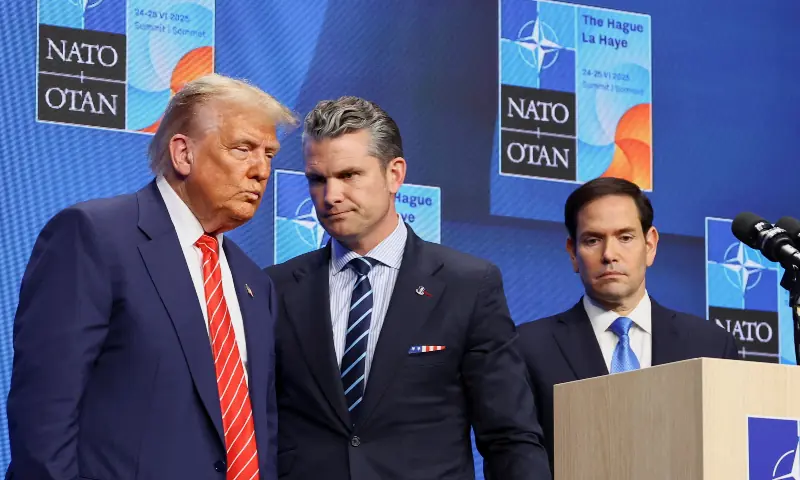
The United States has announced plans to withdraw approximately 5,000 troops from Germany within the next year, marking a significant shift in transatlantic relations amid ongoing disagreements over Middle East policy and trade.
Hezbollah’s Fibre-Optic Drones Pose New Tactical Challenge for Israeli Forces in Southern Lebanon
US Defence Secretary Pete Hegseth authorized the move, with the Pentagon confirming that the withdrawal is expected to be completed within six to twelve months. Officials stated that the decision followed a comprehensive review of US military positioning in Europe, taking into account operational requirements and current conditions.
The announcement comes as President Donald Trump intensifies pressure on European allies. Trump recently declared that tariffs on vehicles imported from the European Union would rise to 25 percent, accusing the bloc of failing to comply with a previously agreed trade deal.
Tensions have also escalated over diplomatic remarks by German Chancellor Friedrich Merz, who suggested that Iran was outmaneuvering Washington in negotiations. Trump responded sharply, criticizing Merz and rejecting any suggestion that Iran could be allowed to develop nuclear weapons.
The troop withdrawal reflects a broader policy stance by Trump, who has repeatedly urged European nations to assume greater responsibility for their own defence rather than relying on American military support. During both of his terms, he has threatened to reduce US troop deployments across Europe.
In addition to Germany, Trump signaled potential reductions in other allied nations. He openly criticized Italy and Spain for their lack of support in the Middle East conflict, suggesting that troop levels in those countries could also be scaled back. As of the end of 2025, the US maintained more than 36,000 troops in Germany, alongside smaller contingents in Italy and Spain.
German officials have responded cautiously. Foreign Minister Johann Wadephul said Berlin was prepared for a possible reduction and was engaging in discussions within NATO frameworks. However, he emphasized that key installations such as the Ramstein Air Base remain strategically vital and are not under consideration for closure.
The European Union has reiterated that the presence of US troops in Europe serves Washington’s own strategic interests, describing the United States as a crucial partner in maintaining regional security.
The development comes against the backdrop of heightened security concerns in Europe following Russia’s invasion of Ukraine. The conflict has prompted increased military spending and preparedness across the continent, particularly in Germany, which has pledged significant investments to modernize its armed forces.
Chancellor Merz has also reaffirmed Germany’s strong support for Ukraine, with Berlin remaining one of the largest contributors of military and financial aid after the United States.
As geopolitical tensions continue to rise, the planned troop withdrawal signals a potential rebalancing of defence responsibilities between the US and its European allies, with long-term implications for NATO and regional stability.