US-Iran Talks: Doha Negotiations End Without Breakthrough on Long-Term Peace
Indirect discussions focused on shipping access and implementation issues while broader disputes, including Iran’s nuclear programme, remain unresolved.
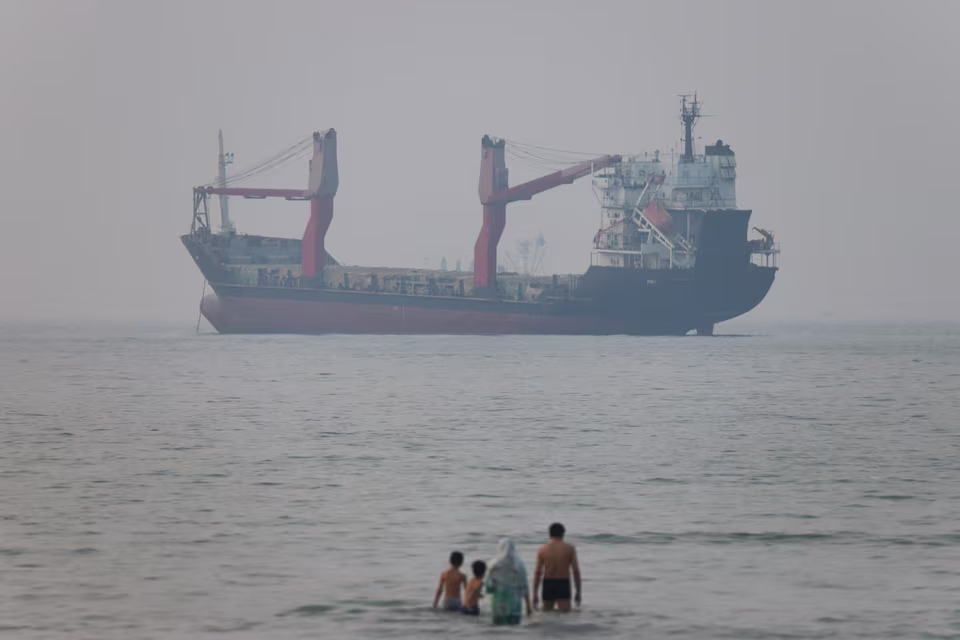
Indirect US-Iran talks continue in Doha with focus on shipping and regional stability.
Indirect talks between the United States and Iran concluded in Doha without a major breakthrough on a long-term peace agreement, as negotiators focused on implementing earlier commitments rather than resolving broader political disputes.
According to sources familiar with the discussions, representatives from both countries spent two days addressing technical issues linked to the interim agreement announced two weeks ago. Discussions centred on restoring maritime traffic through the Strait of Hormuz and arrangements related to releasing frozen Iranian funds.
Qatar’s Foreign Ministry said the next round of negotiations will take place after funeral ceremonies for Iran’s late Supreme Leader Ayatollah Ali Khamenei, whose burial is scheduled for July 9. The ministry described the latest discussions as constructive and said they built on earlier diplomatic progress reached during talks in Switzerland.
Trump Finances: US Releases 927-Page Financial Disclosure Report
Speaking in Washington, US President Donald Trump said discussions had progressed positively and expressed confidence about future talks related to limits on Iran’s nuclear programme. He told reporters that efforts toward denuclearisation were moving in the right direction and said recent meetings had been productive.
However, sources familiar with the negotiations said nuclear issues were not discussed during the Doha sessions and described the meetings as technical rather than political. US Vice President JD Vance later indicated that nuclear negotiations would be addressed in future discussions.
The talks took place through indirect channels, with American and Iranian delegations meeting separately with mediators from Qatar and Pakistan. Senior US figures including Jared Kushner and envoy Steve Witkoff were not present in the formal sessions, although groundwork meetings had taken place separately.
The future status of the Strait of Hormuz remains a key issue in negotiations. The strategic waterway carries a significant share of global oil and liquefied natural gas trade and remains central to efforts aimed at maintaining regional stability and restoring commercial shipping.
Financial markets responded positively to signs of reduced tensions. Oil prices fell to their lowest level in four months as investors interpreted the discussions as reducing the immediate risk of further supply disruption in the region.