Trump’s Rhetoric Risks Derailing Fragile US-Iran Peace Efforts
Trump’s Rhetoric Risks Derailing Fragile US-Iran Peace Efforts
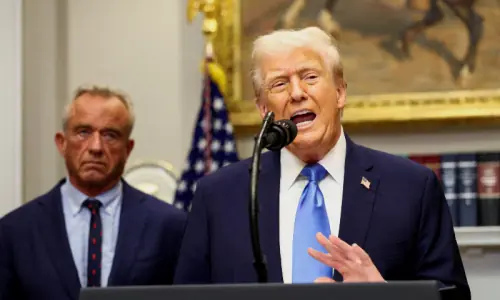
Islamabad/Washington — Efforts to advance peace between the United States and Iran face renewed uncertainty as escalating rhetoric and threats risk undermining fragile diplomatic progress.
Fuel Price Surge Drives Electric Vehicle Boom Across Southeast Asia
Following the conclusion of talks in Islamabad, which ended without a final agreement, US President Donald Trump issued a series of strongly worded statements, warning that American forces were “locked and loaded” and announcing plans for a blockade of the Strait of Hormuz.
Analysts warn that such rhetoric could complicate ongoing diplomatic efforts and increase the risk of confrontation, particularly if US and Iranian forces encounter each other in the strategically vital waterway.
The situation is further heightened by tensions with global figures, including Pope Leo XIV, who has openly criticised war. Trump dismissed the pontiff’s stance, adding to concerns about escalating rhetoric overshadowing diplomacy.
Despite the breakdown in talks, there are indications that both sides had come close to a breakthrough. Iranian Foreign Minister Abbas Araghchi reportedly stated that negotiations were “inches away” from an agreement referred to as the “Islamabad MoU,” but faltered due to last-minute differences.
While Washington maintains that Iran has not provided sufficient assurances regarding its nuclear ambitions, diplomatic sources suggest Tehran had shown willingness to make concessions in earlier negotiations, short of abandoning uranium enrichment entirely.
Experts argue that a second round of talks is essential to build on the limited progress achieved. They emphasize that sustainable peace will require mutual respect, consistent engagement, and restraint from both sides.
Pakistan’s role as a facilitator has been widely acknowledged, with observers noting that neutral platforms and committed mediation could help bridge gaps between the two adversaries.
However, analysts caution that aggressive posturing and public threats risk hardening positions and undermining trust, making a negotiated settlement more difficult.
They stress that for diplomacy to succeed, political leadership must allow space for experienced negotiators to engage constructively, rather than escalating tensions through public statements.