PM Shehbaz Briefs Nawaz Sharif on Middle East Situation, Pakistan’s Peace Efforts
Web Desk May 3, 2026LAHORE: Prime Minister Shehbaz Sharif met Nawaz Sharif at Jati Umra on Sunday and briefed him on the evolving situation in the Middle East and Pakistan’s diplomatic efforts aimed at promoting peace and regional stability.
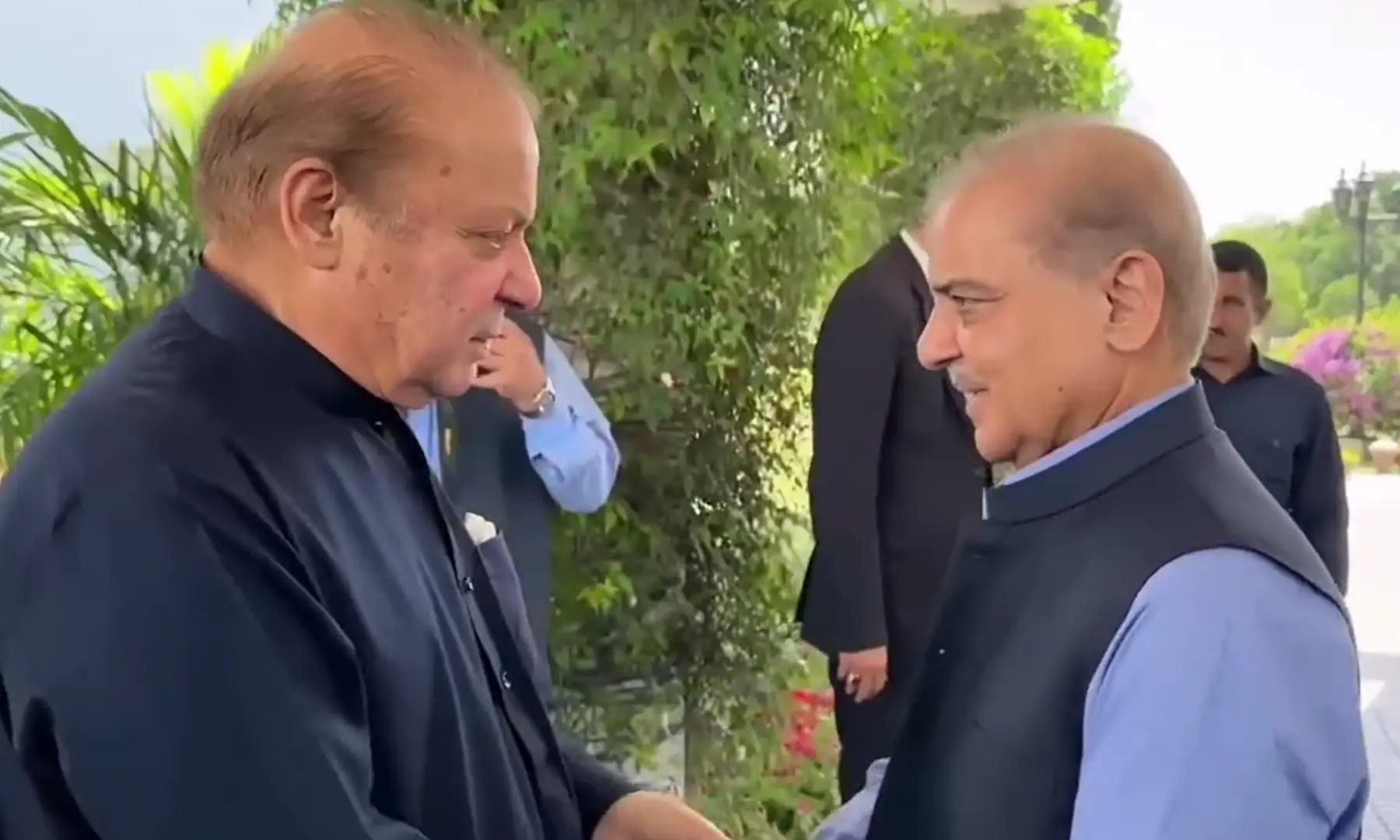
LAHORE: Prime Minister Shehbaz Sharif met Nawaz Sharif at Jati Umra on Sunday and briefed him on the evolving situation in the Middle East and Pakistan’s diplomatic efforts aimed at promoting peace and regional stability.
Sindh Intensifies Wheat Stock Monitoring with Zero-Tolerance Policy Against Corruption
According to a statement issued by the Prime Minister’s Office, the prime minister also discussed the country’s overall political and economic situation, including rising global oil prices and the government’s measures to provide relief to the public amid growing economic pressures.
Maryam Nawaz was also present during the meeting.
The ongoing Middle East conflict, now entering its third month, began after military strikes by the United States and Israel against Iran on February 28, triggering retaliatory actions by Tehran and escalating tensions across the Gulf region. The closure of the Strait of Hormuz further intensified global concerns over energy supplies and regional stability.
Pakistan emerged as a key diplomatic mediator during the crisis, helping facilitate a two-week ceasefire on April 8. Direct talks between the United States and Iran later took place in Islamabad on April 11, although no long-term agreement was reached.
According to reports, Pakistan has continued to play an important behind-the-scenes diplomatic role despite ongoing disagreements between Washington and Tehran over issues including the US naval blockade and the future status of the Strait of Hormuz.
Diplomatic sources indicate that Iran recently conveyed a proposal to the United States through Pakistan as efforts continue to secure a broader understanding between the two sides. However, differences remain over the sequencing and scope of any future agreement.
While the United States reportedly seeks a comprehensive settlement covering nuclear and maritime issues, Iran is said to favor a gradual and phased approach.
Despite the challenges, diplomatic engagement between the parties remains ongoing, with Pakistan continuing to facilitate communication and encourage dialogue aimed at reducing regional tensions.