Iran Reviews U.S. Proposal as Tensions Escalate in Strait of Hormuz Amid Ongoing Conflict
Web Desk May 4, 2026Iran signaled cautious consideration of a U.S. counter-proposal aimed at ending the ongoing regional conflict, while simultaneously escalating warnings over foreign military presence in the strategically vital Strait of Hormuz.
Iran signaled cautious consideration of a U.S. counter-proposal aimed at ending the ongoing regional conflict, while simultaneously escalating warnings over foreign military presence in the strategically vital Strait of Hormuz.
Bilawal Says Pakistan ‘Endured and Prevailed’ at Marka-e-Haq Anniversary Ceremony in Karachi
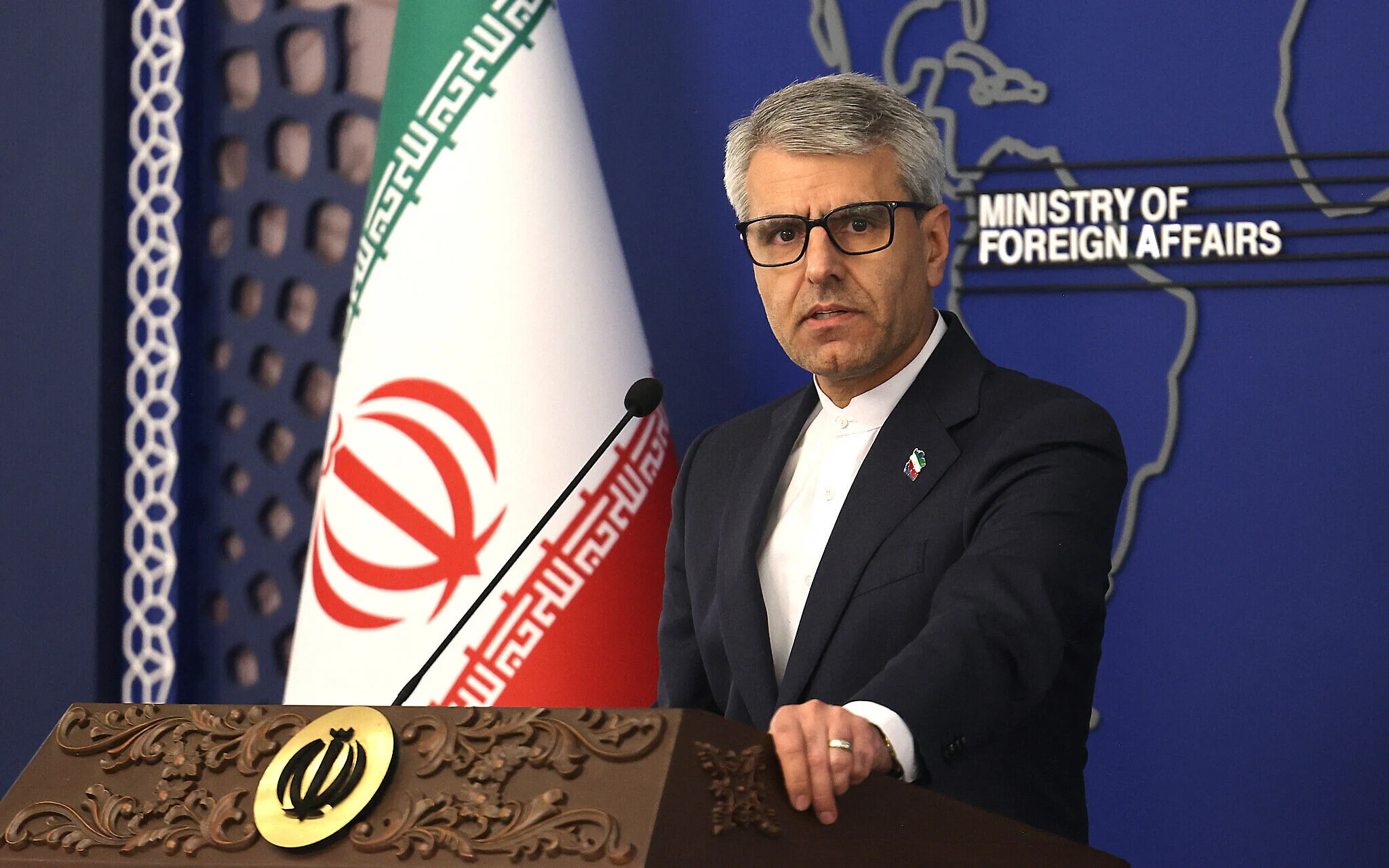
Foreign Ministry spokesperson Esmail Baghaei confirmed that Tehran has received Washington’s message via Pakistan and is currently reviewing its contents. However, he stressed that discussions remain at an early stage and declined to disclose specific details, citing the sensitivity of the negotiations.
Baghaei criticized what he described as “excessive and unreasonable demands” from the United States, indicating that such positions complicate progress toward a resolution. He further dismissed circulating media reports regarding Iran’s nuclear program as speculative, emphasizing that Tehran’s immediate priority is achieving a complete cessation of hostilities.
“At this stage, we are not discussing enrichment or nuclear materials. Our focus is solely on ending the war,” Baghaei stated, adding that future strategic directions would be determined later.
Meanwhile, Iran’s Islamic Revolutionary Guard Corps (IRGC) Navy unveiled a new map outlining what it claims as its operational control area within the Strait of Hormuz. According to state media, the designated zone stretches from Iran’s Qeshm Island in the west to the UAE’s Umm al Quwain, and eastward to a line between Iran’s Mount Mobarak and the Emirate of Fujairah. The extent of any changes in territorial control remains unclear.
The development comes as tensions intensify following U.S. plans to launch a naval support initiative, dubbed “Project Freedom,” aimed at ensuring safe passage for commercial vessels stranded in the Gulf. The U.S. Central Command (CENTCOM) stated that the mission is intended to restore freedom of navigation in one of the world’s most critical energy transit corridors.
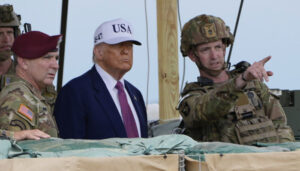
Former U.S. President Donald Trump announced that American forces would assist in guiding ships through restricted waters, citing growing humanitarian and logistical concerns among vessels unable to move due to the conflict.
In response, Iran’s military issued a stern warning to U.S. naval forces, cautioning them against entering the Strait of Hormuz. Iranian officials asserted that the security of the waterway falls under their control and warned of a “harsh response” to any perceived threats.
Ali Abdollahi, head of Iran’s unified armed forces command, stated that all commercial and oil tanker movements must be coordinated with Iranian authorities, warning that any unauthorized foreign military presence would be treated as hostile.
Separately, the United States confirmed the transfer of an Iranian vessel, the M/V Touska, along with its crew, to Pakistan for repatriation. The ship had been intercepted in April in the Gulf of Oman after allegedly violating blockade directives. According to U.S. officials, 22 crew members were safely transferred, while six additional individuals had been repatriated earlier.
The unfolding developments highlight the fragile state of negotiations and the increasing risk of military confrontation in a region critical to global energy supply and trade.