Trump Signals Optimism on Iran Talks, Warns Ceasefire May End Without Deal
Donald Trump on Friday expressed cautious optimism about ongoing negotiations with Iran, suggesting there had been “some pretty good news” regarding efforts to end the conflict in the Middle East. However, he warned that a fragile ceasefire could collapse if no long-term agreement is reached by the coming week.
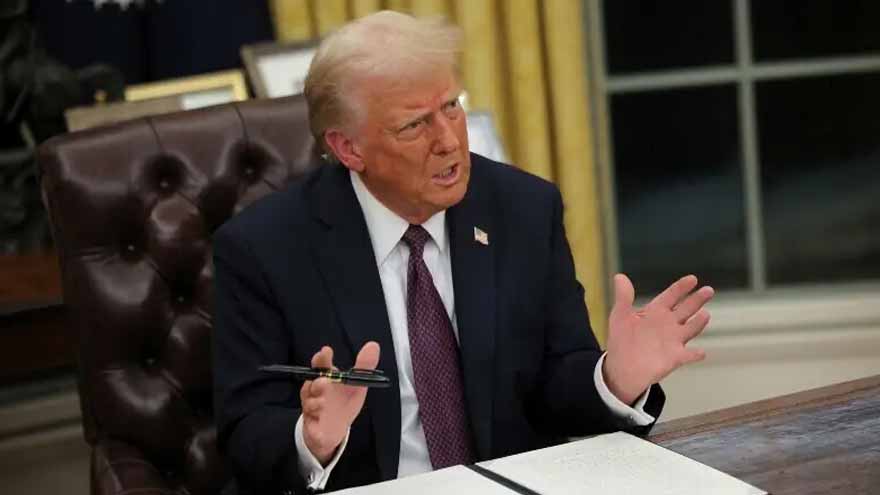
Donald Trump on Friday expressed cautious optimism about ongoing negotiations with Iran, suggesting there had been “some pretty good news” regarding efforts to end the conflict in the Middle East. However, he warned that a fragile ceasefire could collapse if no long-term agreement is reached by the coming week.
Ships Targeted as Iran Tightens Control of Strait of Hormuz Again
Speaking aboard Air Force One, Trump said negotiations were expected to continue over the weekend, adding that significant progress had already been made. “It seems to be going very well,” he noted, while reiterating that preventing Iran from acquiring nuclear weapons remained Washington’s top priority.
Despite the positive tone, Trump signaled that the ceasefire—brokered with mediation efforts involving Pakistan—might not be extended beyond Wednesday unless a comprehensive deal is finalized. He emphasized that the United States would maintain its naval blockade on Iranian ports and left open the possibility of renewed military action if diplomacy fails.
The situation remains fluid, particularly around the strategically vital Strait of Hormuz, a key global oil transit route. While Tehran had briefly announced its reopening following a ceasefire between Israel and Lebanon, conflicting statements from both sides have created uncertainty over maritime security and shipping flows.
Trump also issued a stark warning regarding Iran’s nuclear programme, stating that the US would ensure control over Tehran’s enriched uranium stockpiles, by force if necessary. Iranian officials, however, have rejected any transfer of nuclear material, underscoring persistent disagreements that continue to complicate negotiations.
Meanwhile, prospects for direct high-level talks remain unclear, with logistical and political challenges casting doubt over whether planned discussions—potentially in Islamabad—will take place as expected. Diplomatic sources indicate that while some progress has been made, key gaps remain unresolved, particularly concerning the duration of nuclear restrictions and sanctions relief.
The conflict, which began in late February following a US-Israeli offensive on Iran, has already resulted in significant casualties, disrupted global energy markets, and heightened geopolitical tensions across the region. Although recent developments have raised hopes for de-escalation, uncertainty continues to surround the path toward a lasting peace agreement.