Ships Targeted as Iran Tightens Control of Strait of Hormuz Again
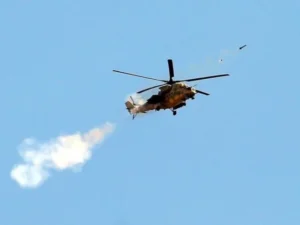
At least two merchant vessels reported coming under gunfire while attempting to pass through the Strait of Hormuz on Saturday, as Iran reimposed strict military control over the vital global shipping route, according to maritime security sources.

At least two merchant vessels reported coming under gunfire while attempting to pass through the Strait of Hormuz on Saturday, as Iran reimposed strict military control over the vital global shipping route, according to maritime security sources.
PM Shehbaz Returns Home After Concluding Three-Nation Diplomatic Tour
Shipping officials said several vessels also received radio warnings from Iran’s navy declaring the waterway closed to transit, effectively halting commercial movement through one of the world’s most critical energy corridors. The development came shortly after initial signs of reopening, when a convoy of eight oil tankers had begun crossing the strait — marking the first significant movement since the outbreak of the US-Iran conflict nearly seven weeks ago.
However, Iranian authorities quickly reversed course, citing continued US actions in the region. Tehran accused Washington of violating agreements and engaging in what it described as “piracy” under the guise of enforcing a blockade on Iranian ports. As a result, Iranian armed forces reinstated tighter controls over maritime traffic, significantly raising the risk of further disruptions to global oil and gas supplies.
In a strongly worded statement, Mojtaba Khamenei warned that Iran’s navy was prepared to deliver “new bitter defeats” to its adversaries, signaling a hardened stance amid ongoing tensions.
The renewed escalation follows a brief window of de-escalation, during which Iran had agreed to allow limited commercial shipping after a US-brokered ceasefire between Israel and Lebanon. That fragile arrangement now appears increasingly uncertain, with tensions once again rising across the region.
Meanwhile, Donald Trump hinted at progress in negotiations but offered few details, stating that developments in the Middle East were “going very well.” At the same time, he warned that hostilities could resume if a broader peace agreement is not reached before the current ceasefire expires.
Despite diplomatic efforts, uncertainty continues to cloud prospects for renewed US-Iran talks, which are expected to take place in Islamabad. No clear confirmation has emerged regarding the timing or logistics of the next round of negotiations.
The conflict, which began on February 28 following a US-Israeli offensive on Iran, has already resulted in thousands of casualties and expanded into neighboring regions, including Lebanon. It has also severely disrupted global energy markets, with the Strait of Hormuz — previously responsible for transporting nearly 20% of the world’s oil — remaining at the center of the crisis.
Key disagreements persist over Iran’s nuclear programme, with Washington pushing for long-term restrictions while Tehran insists on its right to maintain civilian nuclear capabilities. While some diplomatic sources suggest a potential framework for compromise, no breakthrough has yet been achieved.
Analysts warn that continued instability in the Strait could further impact global oil prices and supply chains, especially if military tensions escalate or negotiations collapse.