Trump Claims Breakthrough in Iran Hormuz Talks
Web Desk May 29, 2026Trump Claims Breakthrough in Iran Hormuz Talks
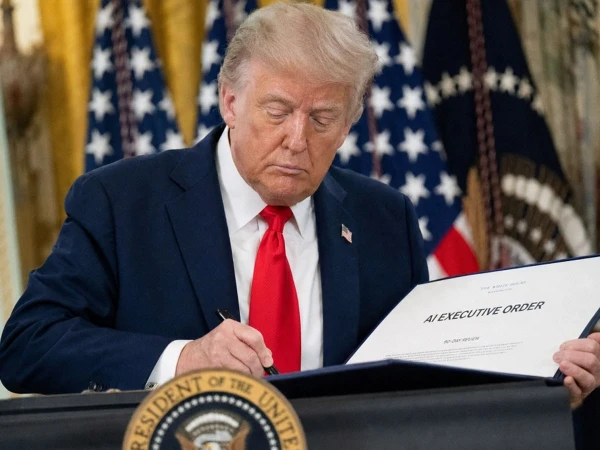
WASHINGTON: US President Donald Trump claimed a breakthrough with Iran on Wednesday and said both sides made progress on easing tensions in the Strait of Hormuz.
Moreover, he said Iran agreed to help reopen shipping lanes in the Strait of Hormuz, one of the world’s key energy corridors. In addition, he said stranded vessels should prepare to resume operations.
Maritime security focus
Furthermore, Trump said Iran would not impose tolls or additional charges on ships passing through the waterway. He also said both sides aim to maintain uninterrupted trade through the route.
As a result, he said the Strait of Hormuz could see improved maritime flow, as it carries a large share of global oil and gas shipments.
Naval operations claims
Meanwhile, Trump said US minesweepers destroyed several naval mines in the region. He also said remaining explosives will face removal or destruction.
In addition, he described US naval operations as essential for protecting global trade and energy supplies.
Nuclear programme remarks
At the same time, Trump made claims about Iran’s nuclear programme. He said enriched uranium stored underground sits buried after earlier US air strikes.
Furthermore, he said the United States, China, Iran, and the International Atomic Energy Agency will coordinate on nuclear-related issues.
Negotiations continue
However, Trump said no financial agreement exists yet with Iran. Instead, he said discussions have progressed on several secondary issues.
Finally, he said leaders will discuss final decisions in a high-level White House meeting.
US position on nuclear weapons
Overall, Trump reaffirmed that Iran must not develop nuclear weapons under any future agreement. Consequently, officials said negotiations will continue amid ongoing concerns over regional security and energy stability.