Safety Becomes the Driving Force Behind Pakistan’s Mobility Economy
Pakistan’s digital mobility sector is entering a new era where safety, rather than affordability alone, is becoming the defining factor behind public trust and long-term growth.
Pakistan’s digital mobility sector is entering a new era where safety, rather than affordability alone, is becoming the defining factor behind public trust and long-term growth.
Trump Claims Breakthrough With Iran Over Strait of Hormuz Tensions
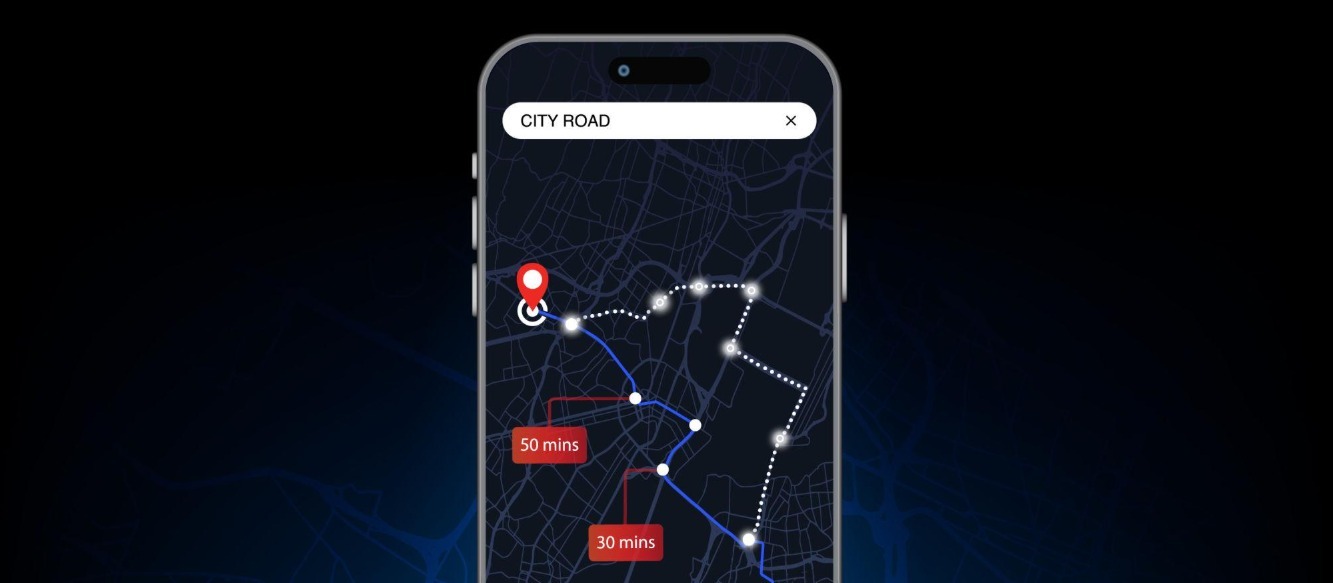
In cities where reliable public transport remains limited, ride-hailing and mobility apps initially gained popularity by replacing the uncertainty of traditional street-hailing with GPS tracking, digital records, and transparent routing systems. These features created a sense of accountability that reshaped how commuters — especially women and families — travelled across urban centers.
Today, consumer expectations have evolved far beyond convenience. Users increasingly expect mobility platforms to act as active protectors against urban security threats, transforming safety into the foundation of customer confidence and brand loyalty.
Security Features Become Competitive Advantage
Mobility companies now understand that a single security lapse can severely damage public trust and push users toward rival platforms. As competition intensifies, companies are racing to strengthen safety systems and introduce advanced protection technologies.
Features once considered premium add-ons are rapidly becoming industry standards, including:
- Real-time GPS tracking
- Route sharing with family and friends
- Anonymous number masking
- In-app emergency SOS systems
- Instant customer support
- Strict account suspension policies for violations
Industry experts say this shift is redefining the future of Pakistan’s mobility economy, where users are increasingly choosing platforms based on security credibility rather than pricing alone.
Technology Expands Beyond Basic Verification
Platforms such as inDrive have expanded their security ecosystems by introducing biometric verification and facial recognition systems to authenticate drivers before they become active on the app.
The platform also combines preventative monitoring with strict enforcement measures, including permanent account bans and immediate freezes for users or drivers involved in misconduct. Analysts believe these measures reflect how digital mobility services are increasingly assuming real-world accountability for passenger protection.
Drivers Also Demand Greater Protection
The conversation around safety is no longer limited to passengers.
Drivers and delivery partners operating in crowded urban environments are also demanding stronger safeguards against theft, harassment, accidents, and unsafe destinations.
Modern mobility platforms are responding with features such as destination transparency and the ability for drivers to reject rides they consider risky. Experts believe this balanced approach is helping create a safer and more sustainable ecosystem for both passengers and service providers.
Future of Mobility Hinges on Security
As Pakistan’s mobility economy continues to grow, industry observers say the platforms that will dominate the future are not necessarily the fastest or cheapest — but the ones that can provide the highest level of trust and protection.
In an increasingly digital urban environment, safety is no longer just an operational feature. It has become the core currency of Pakistan’s evolving mobility landscape.