Shaheed Usman Ghani Remembering a Dedicated Voice for Workers
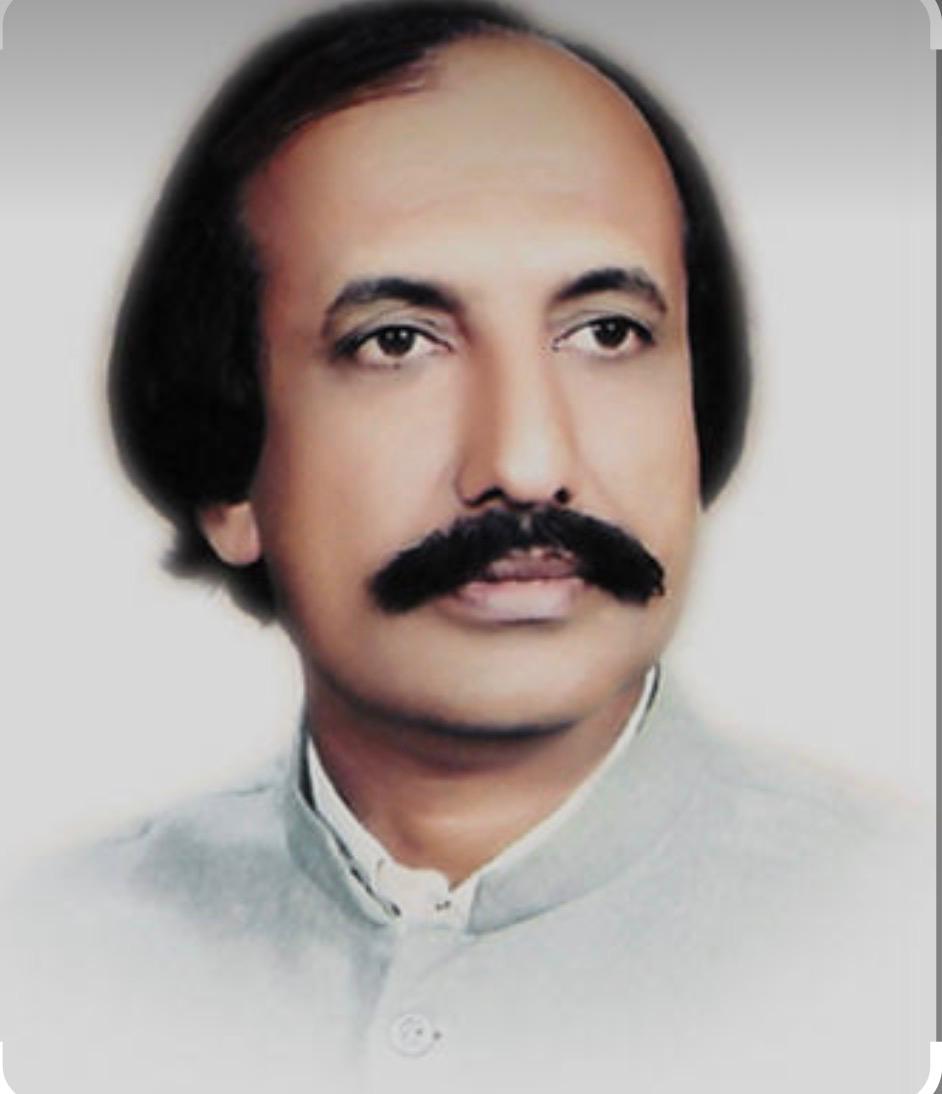
Shaheed Usman Ghani remembered for his contribution to Pakistan’s labour movement.
By Habibuddin Junaidi
Pakistan’s labour movement has a long history of struggle, sacrifice and determination. Workers across the country have fought for their constitutional and fundamental rights through difficult periods.
The movement has included industrial workers as well as employees in banks, airlines, insurance companies, local governments and public institutions. Among its prominent leaders was Shaheed Usman Ghani, a respected figure in Pakistan’s banking-sector trade union movement.
Usman Ghani was assassinated on September 17, 1995, near his home in Karachi’s Chanesar Goth. He was 45 years old. His death left a lasting mark on the country’s labour movement.
From Banker to Trade Union Leader
Usman Ghani began his professional career at Muslim Commercial Bank (MCB). His leadership qualities soon brought him into the trade union movement.
He was elected president of the MCB Collective Bargaining Agent (CBA) union. He later became deputy secretary-general of the Pakistan Banks Employees Federation.
Throughout his career, Ghani remained closely associated with workers’ rights. He also faced imprisonment during periods of political and labour unrest.
IHHN Holds Rabies Awareness Session at The Hunar Foundation
His commitment extended beyond the banking sector. He stood alongside workers from other institutions and supported their struggles for better rights and working conditions.
A Commitment to Democracy
Ghani was also active in democratic politics. He was associated with the Pakistan Peoples Party and participated in movements for the restoration of democracy under the leadership of Shaheed Benazir Bhutto.
According to accounts of his life, Ghani enjoyed Benazir Bhutto’s trust and played a role in efforts to establish the PPP’s Peoples Labour Bureau.
His political and trade union activities often brought him into conflict with governments and institutions.
The Privatisation Struggle
One of the major battles of his labour career came during the early 1990s, when trade unions opposed the government’s privatisation programme.
Workers’ organisations formed the All Pakistan State Enterprises Workers Action Committee (APSEWAC). Hundreds of CBA unions joined the nationwide campaign against privatisation.
Ghani was arrested following a strike and protest campaign. Habibuddin Junaidi, the author of this tribute, recalls being arrested shortly afterwards and transferred to Karachi Central Jail.
The episode reflected the intense confrontation between the government’s privatisation policy and organised labour at the time.
A Leader Remembered for His Character
Ghani’s legacy, however, was not limited to political or trade union battles.
He was remembered by colleagues as a gentle, educated and cultured leader. His supporters also recall that he repeatedly won workers’ union elections and maintained a conciliatory approach towards political opponents.
His struggle extended beyond MCB. He supported workers from other organisations and remained connected with senior labour leaders of his generation.
His death on September 17, 1995, ended his life but not the labour movement he had helped strengthen. Contemporary accounts also remember his assassination as a major loss for Pakistan’s trade union movement.
Saeed Ghani Carries Forward the Legacy
Three decades after his father’s death, Saeed Ghani remains active in Sindh politics and labour affairs.
The Sindh Assembly lists Saeed Ghani as the son of Usman Ghani and currently identifies him as Minister for Labour, Human Resources and Social Protection.
The Sindh government’s Labour and Human Resources Department says several provincial labour laws were enacted after the 18th Constitutional Amendment through tripartite consultations involving workers, employers and the government.
The provincial government has also continued consultations on labour welfare issues. In January 2026, Saeed Ghani participated in discussions on the devolution of the Employees’ Old-Age Benefits Institution and Workers’ Welfare Fund. Officials agreed to continue consultations on workers’ welfare reforms.
A Legacy That Continues
Usman Ghani may no longer be present, but his name remains linked with Pakistan’s labour history.
For his colleagues and supporters, his life represents a period when trade union leaders faced imprisonment, political pressure and personal danger while campaigning for workers’ rights.
His son Saeed Ghani has continued in public life and labour politics. For those who knew Usman Ghani, that continuity remains an important part of his legacy.
On his 31st death anniversary, the memory of Shaheed Usman Ghani once again recalls the sacrifices made by generations of Pakistani workers and their leaders.