Saad Rafique Calls for Democratic and Governance Reforms First
The PML-N leader warns against replacing political dynasties with smaller power centres and says Pakistan needs stronger democratic institutions before administrative restructuring.
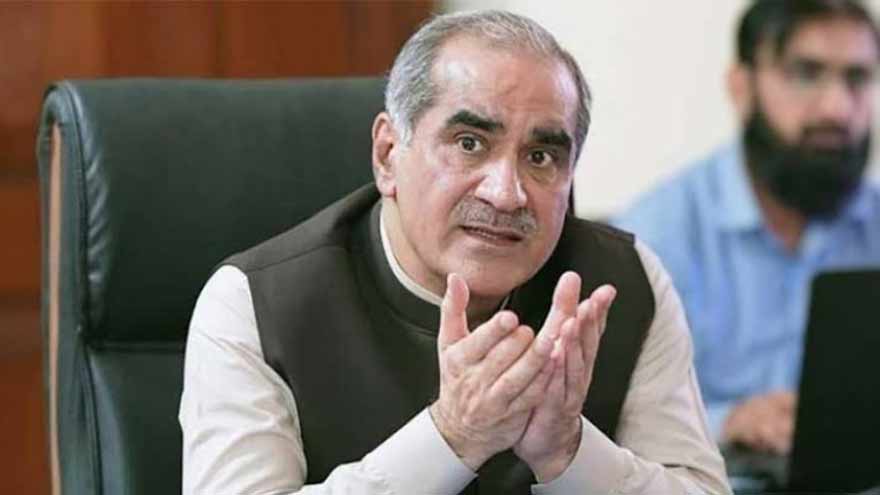
Khawaja Saad Rafique calls for democratic and governance reforms.
Former federal minister and senior Pakistan Muslim League-Nawaz (PML-N) leader Khawaja Saad Rafique has called for fundamental democratic and governance reforms before Pakistan considers creating smaller provinces.
In a statement on social media platform X, Rafique warned that ending political dynasties should not result in smaller political kingdoms controlled by a single powerful figure. He said such an arrangement would neither work nor help the country progress.
Rafique questioned the idea that dividing the country into smaller provinces alone could fix its dysfunctional governance system. He acknowledged that smaller provinces could bring benefits. However, he stressed that meaningful reforms must come first.
He called for transparent and representative democracy, an end to undemocratic interference in politics and a reduction in the influence of wealthy individuals. He also urged political parties to create greater opportunities for educated members of the middle class to enter politics.
Furthermore, Rafique stressed the need to reform the civil service and judicial system. He said administrative restructuring would remain ineffective without stronger institutions and an improved system of governance.
Siraj Narsi Concludes Term as PAGH President, Congratulates Successor Shahid Hashmi
The PML-N leader noted that Pakistan faces serious challenges, including political tensions, terrorism, extreme poverty, a weakened justice system and questions surrounding parliamentary legitimacy. He also referred to non-political interference in national affairs.
Rafique identified hunger, poverty, injustice, terrorism, violations of fundamental rights, political victimisation and unconstitutional practices as major national concerns.
He argued that the country must first address these hardships before pursuing administrative changes. He also cautioned that rushing to create smaller provinces could turn a potentially positive reform into another divisive political controversy.
Rafique questioned whether proponents of smaller provinces had presented a convincing case for the proposal. He maintained that meaningful change requires democratic stability and institutional reform, rather than administrative division alone.