Regenerative Dentistry: Scientists Move Closer to Growing New Human Teeth
Researchers are developing stem cell-based treatments that could allow damaged teeth to heal naturally and eventually replace dental implants with lab-grown teeth.
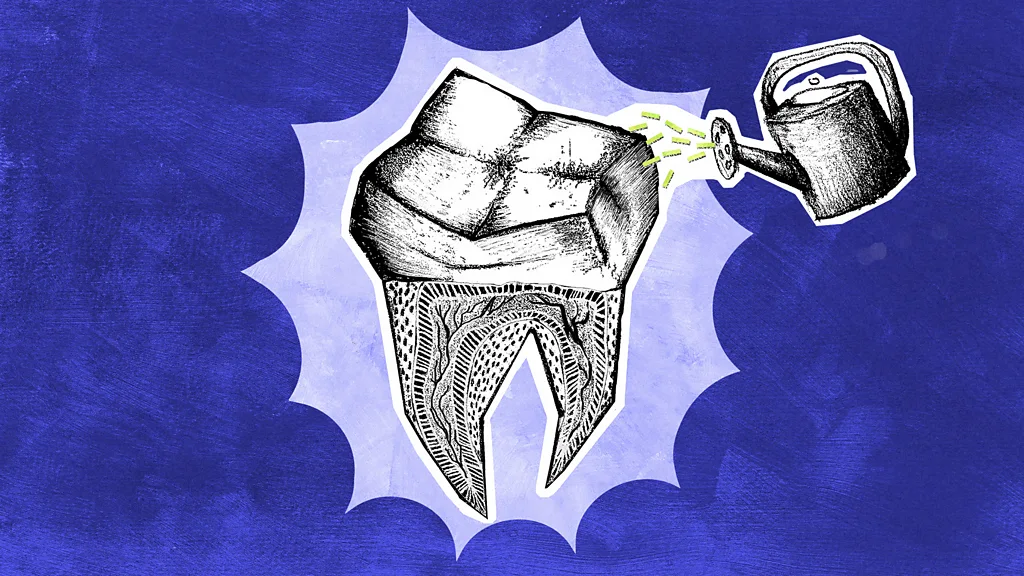
Scientists develop stem cell technology that could one day regrow damaged human teeth.
Regenerative Dentistry is emerging as one of the most promising advances in oral healthcare, with scientists working to develop treatments that could enable damaged teeth to repair themselves or even regrow entirely.
Researchers believe regenerative medicine could eventually replace traditional fillings, crowns and dental implants with biological solutions that restore natural tooth structure and function.
Scientists at leading institutions, including the University of Washington, Tufts University, King’s College London and the University of Illinois Chicago, are exploring stem cell technology and tissue engineering to regenerate dental tissue.
Dr Hannele Ruohola-Baker, Associate Director of the University of Washington’s Institute for Stem Cell and Regenerative Medicine, said public interest in regenerative dentistry has grown rapidly.
“People are ready for something new in dentistry,” she said.
Kyiv Attack: Russian Missile Barrage Kills One, Injures 14 in Capital
Experts say oral health affects far more than teeth and gums. Gum disease has been linked to heart disease, respiratory illnesses and Alzheimer’s disease, while tooth loss can reduce quality of life, affect nutrition and increase the risk of other health problems.
Traditional dental treatments restore damaged teeth with synthetic materials, but they do not rebuild living tissue. Fillings, crowns and implants often require replacement over time and cannot fully replicate the function of natural teeth.
Researchers now hope to change that.
Professor Anne George of the University of Illinois Chicago is studying proteins that help dentine, the layer beneath tooth enamel, grow and repair itself. Her research could lead to therapies that stimulate teeth to regenerate dentine naturally, reducing the need for conventional fillings.
Meanwhile, Dr Ruohola-Baker’s team is developing “living fillings” by using stem cells to create enamel-producing cells known as ameloblasts and dentine-producing odontoblasts.
The researchers successfully produced miniature tooth organoids that generate enamel proteins in the laboratory. They believe these proteins could one day repair cracked enamel or restore damaged teeth.
The team’s long-term goal is even more ambitious: growing complete replacement teeth inside a patient’s mouth using engineered stem cells.
Scientists are also working on biological alternatives to dental implants.
Professor Ana Angelova Volponi, Director of Regenerative Dentistry at King’s College London, is developing lab-grown tooth structures that could eventually replace missing teeth with living biological tissue rather than artificial implants.
Her research combines adult human gum cells with tooth-forming cells to create developing tooth structures capable of forming natural roots.
Another breakthrough has come from Tufts University, where Professor Pamela Yelick and her team successfully grew human-like teeth inside miniature pigs by combining human dental cells with pig tooth-forming cells.
The study demonstrated that engineered tooth structures can develop in a living jaw, bringing researchers one step closer to growing replacement teeth for people.
Although these advances remain in the experimental stage, scientists believe regenerative dentistry could eventually transform oral healthcare.
Researchers caution that human clinical trials are still years away, as further laboratory studies and animal research must confirm the safety and effectiveness of these techniques.
Beyond dentistry, experts say the research could also improve regenerative medicine for bones, organs and other tissues by advancing scientists’ understanding of how living structures develop and repair themselves.
Despite the challenges ahead, researchers remain optimistic that regenerative dental treatments will become part of mainstream healthcare in the future.