President Zardari and PM Shehbaz Pay Tribute to Workers on Labour Day, Call Labour Force Pakistan’s “Backbone”
President Zardari and PM Shehbaz Pay Tribute to Workers on Labour Day, Call Labour Force Pakistan’s “Backbone”
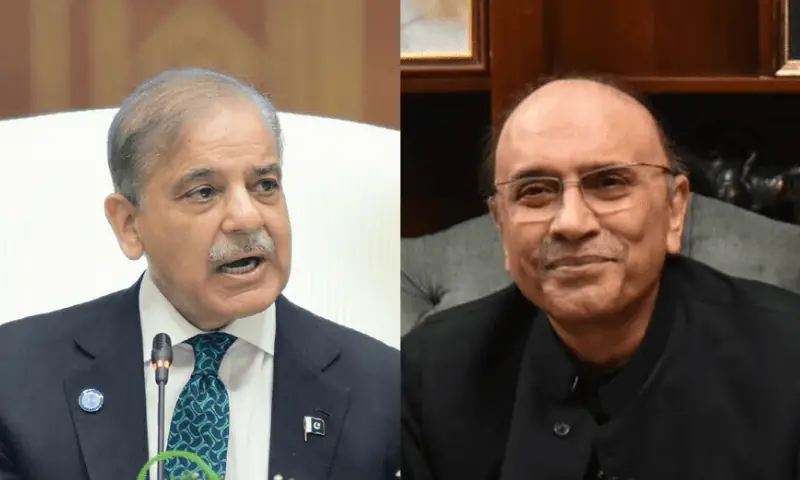
Islamabad — President Asif Ali Zardari and Prime Minister Shehbaz Sharif paid tribute to Pakistan’s labour force on International Labour Day, describing workers as the “backbone” of society and a “pillar of national strength” in separate messages issued on May 1.
May Day Calls for Introspection, New Social Contract Between Workers and Employers
Marking the global observance of Labour Day, both leaders acknowledged the contributions of workers across Pakistan and overseas, emphasizing their central role in national development, economic stability, and social progress.
Prime Minister Shehbaz Sharif praised labourers, farmers, artisans, factory workers, and professionals from all sectors for their dedication and perseverance. He said Pakistan’s workforce, both domestically and abroad, reflects the country’s capability, professionalism, and resilience.
The premier also highlighted the contributions of overseas Pakistanis through remittances, calling them a source of national pride and a major support for the country’s economy.
Referring to government initiatives, the prime minister said the federal administration is focusing on workforce development through the National Skills Development Policy. He stated that efforts are underway to align Pakistani workers with international market requirements through modern training, language proficiency programs, and globally recognized certifications.
He further noted that institutions such as the Employees’ Old-Age Benefits Institution (EOBI) and the Workers Welfare Fund (WWF) continue to provide pensions, housing, education, and welfare services to workers and their families.
Prime Minister Shehbaz called on industrialists, employers, and the business community to ensure the dignity, safety, and protection of workers’ rights.
Meanwhile, President Asif Ali Zardari highlighted the historical struggle of labour movements worldwide and paid tribute to workers who fought for fair wages, reasonable working hours, and dignified working conditions.
The president referenced Article 3 of Pakistan’s Constitution, which focuses on the elimination of exploitation, stating that the country’s labour force remains the driving force behind national development.
President Zardari reaffirmed Pakistan’s commitment to international labour standards, including fair wages, social protection, elimination of child and forced labour, and workplace equality. He also reiterated support for International Labour Organization (ILO) principles and Sustainable Development Goals related to labour rights and social protection.
Both leaders acknowledged the contributions of overseas Pakistani workers, describing them as vital contributors to the country’s economic strength.
Despite the official statements, labour rights advocates continue to highlight challenges facing workers in Pakistan, including weak implementation of labour laws, low wages, limited social protection, and insufficient representation in many sectors. According to the International Labour Organization, Pakistan has yet to ratify dozens of international labour conventions and protocols.