Pakistan’s ‘Silent Energy Revolution’ Gains Momentum as Consumers Turn Power Producers
Web Desk May 3, 2026Pakistan’s ‘Silent Energy Revolution’ Gains Momentum as Consumers Turn Power Producers
KARACHI: Pakistan’s energy landscape is undergoing a quiet but transformative shift, as consumers increasingly move from being passive electricity users to active power producers, driven by rising tariffs, persistent load shedding, and policy uncertainty.
Eid Milan Gathering in Karachi Highlights Unity Among Hazara Community
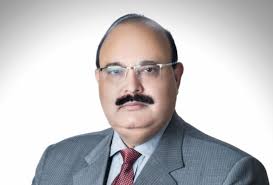
Speaking to the media at the Consumers Association of Pakistan (CAP), Chairman Kaukab Iqbal described the change as a “silent yet historic revolution” in the country’s energy sector.
He noted that millions of households are now installing solar panels, effectively converting rooftops into decentralized power generation units. This shift has been accelerated by increasing electricity costs and inconsistent supply, prompting consumers to seek independent and sustainable energy solutions.
According to Iqbal, recent revisions in net metering policies — particularly reduced buyback rates and higher grid electricity tariffs — have further pushed consumers toward off-grid systems. Advances in lithium battery storage, modern inverters, and energy management systems are enabling households to store surplus electricity and reduce reliance on the national grid.
However, the rapid expansion of solar adoption has also created new challenges. Iqbal warned that the market is now saturated with a wide range of solar products of varying quality and price, making it difficult for consumers to make informed choices.
He urged the Pakistan Standards and Quality Control Authority (PSQCA), under the Ministry of Science and Technology, to introduce stricter certification standards to ensure product reliability and consumer protection.
At the same time, he cautioned solar companies against misleading marketing practices and the sale of substandard equipment, emphasizing that consumer courts are increasingly active in addressing such grievances.
Iqbal stressed that the ongoing transformation reflects a deeper issue of trust between consumers and the traditional power system.
“The real issue is not electricity generation — it is a lack of confidence in the system,” he said. “When institutions fail to serve effectively, people naturally find their own solutions.”
He warned that unless policymakers introduce transparent, consumer-friendly reforms, a growing number of users may fully disconnect from the national grid. Such a trend, he added, could fundamentally alter Pakistan’s centralized energy model, turning it into a supplementary rather than primary source of power.
The development signals a broader transition toward decentralized energy, where households play a central role in generation and consumption — a shift that could redefine the future of Pakistan’s power sector.