Petroleum Price Hike Will Hurt Industry, Jobs and Economy, Warns KATI President Muhammad Ikram Rajput
The recent increase in petroleum prices has triggered strong concerns from the business community, with Korangi Association of Trade and Industry (KATI) President Muhammad Ikram Rajput warning that the hike will severely damage industrial output, employment levels, and overall economic stability.
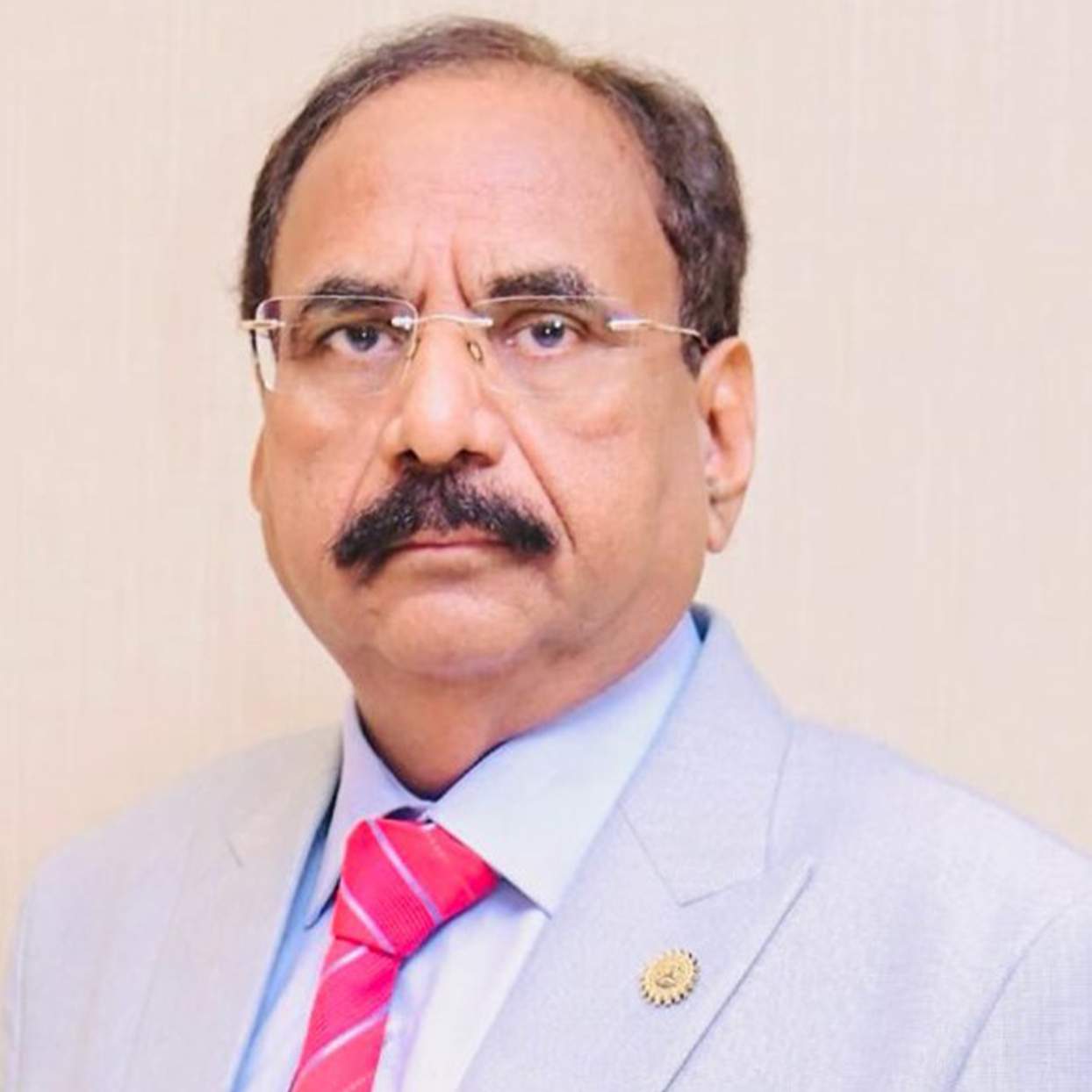
The recent increase in petroleum prices has triggered strong concerns from the business community, with Korangi Association of Trade and Industry (KATI) President Muhammad Ikram Rajput warning that the hike will severely damage industrial output, employment levels, and overall economic stability.
Muhammad Abbas and Hareem Anwar Clinch Titles at Karachi Table Tennis Championship
Reacting to the government’s latest fuel price notification, Rajput said petrol has been increased by Rs26.77 per litre to Rs393.35, while high-speed diesel now stands at Rs380.19 per litre. He described the sharp rise as “highly detrimental” to both industrial and commercial activity.
He stressed that expensive fuel directly increases production costs, which inevitably leads to higher prices for essential goods and reduced competitiveness of exports. “Expensive fuel translates directly into expensive production,” he said, adding that the burden ultimately falls on consumers.
Rajput urged the government to immediately reduce petroleum levies and associated charges in order to provide relief to both industry and the general public. He warned that fuel prices are increasingly moving beyond the affordability of ordinary citizens, creating additional pressure on households already facing inflation.
He further highlighted that the industrial sector is already under strain due to high electricity tariffs, elevated interest rates, and rising operational costs. In such conditions, he said, further increases in energy prices would deepen financial stress on businesses.
According to him, the combined impact of rising fuel and energy costs could slow industrial activity, discourage investment, and negatively affect employment opportunities across multiple sectors.
The KATI president called on policymakers to reassess the recent decision and introduce urgent relief measures for the trade and manufacturing sectors. He cautioned that sustained cost pressures could weaken economic growth momentum and hurt export performance at a critical time.
Rajput concluded that stabilising energy prices is essential for maintaining industrial productivity and protecting jobs in Pakistan’s fragile economic environment.