Sultana Siddiqui: HUM Network Chairperson Highlights Media’s Role in Nation Building
Speaking at the Quaid-e-Azam House Museum, Sultana Siddiqui shared her journey from television producer to media pioneer while stressing the importance of education, women’s empowerment and responsible journalism.
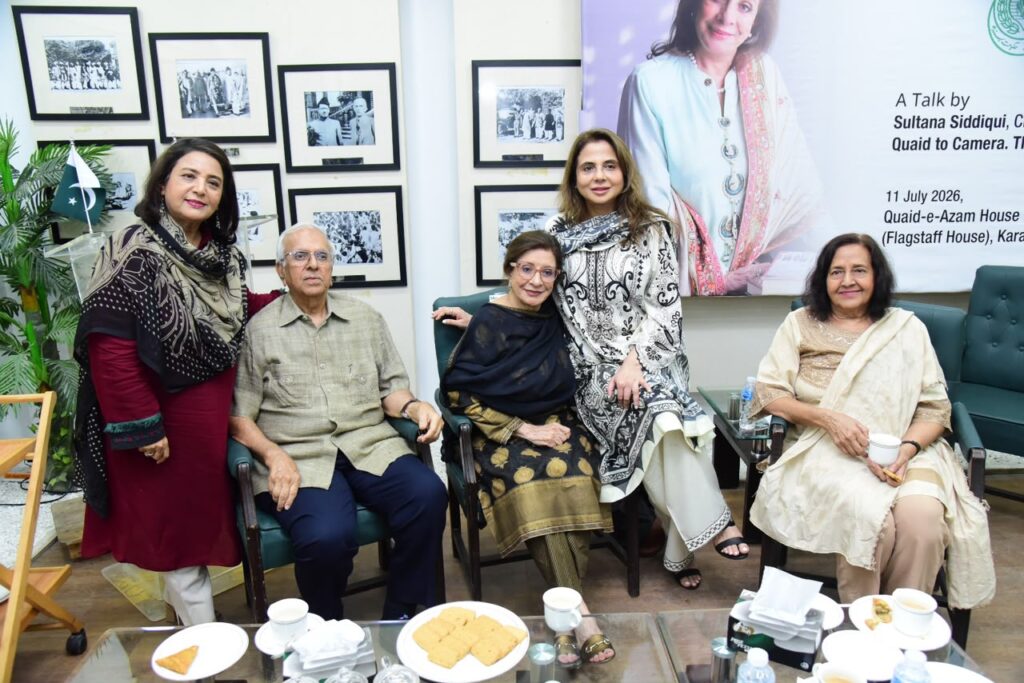
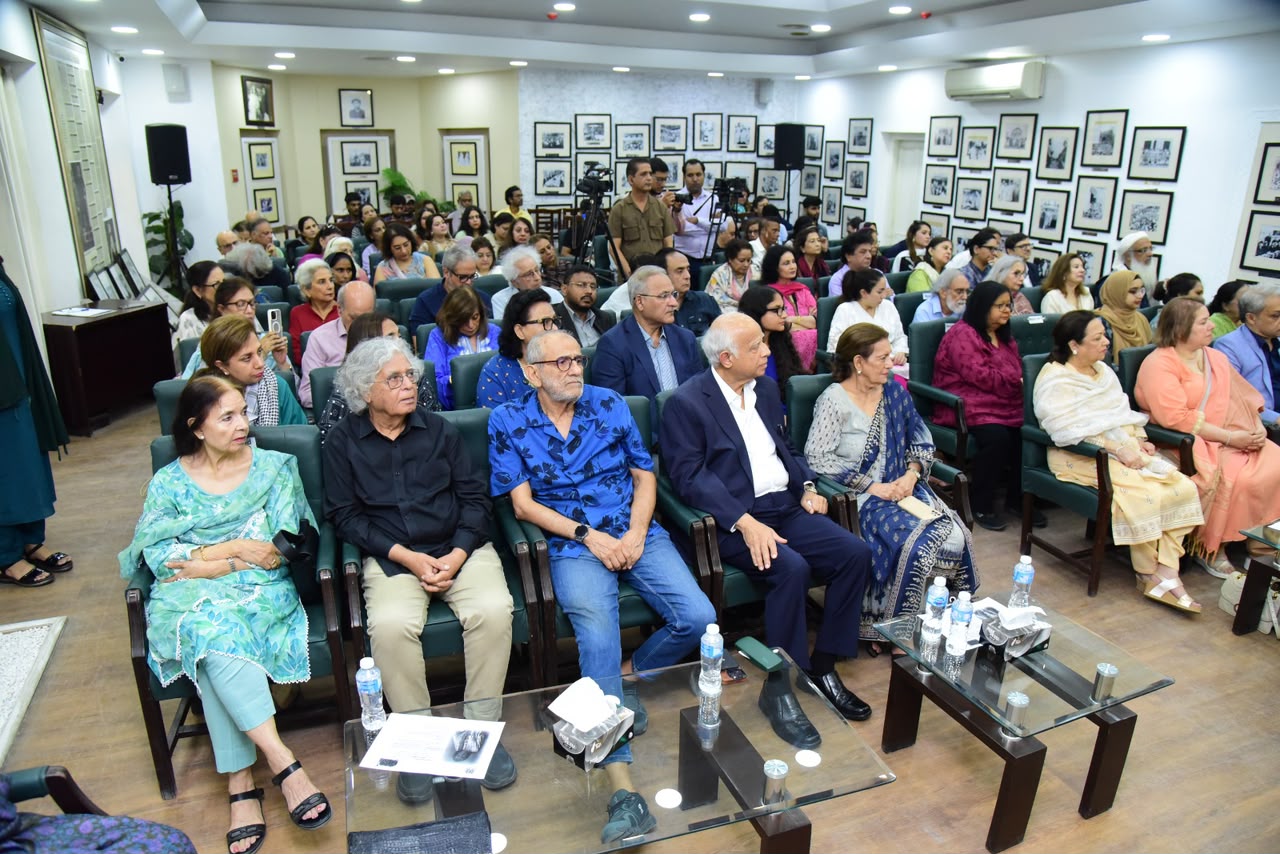
Sultana Siddiqui addresses an audience during a nation-building talk at the Quaid-e-Azam House Museum in Karachi.
Sultana Siddiqui reflected on leadership, resilience and the power of responsible media during a special talk on nation building hosted by the Quaid-e-Azam House Museum (QAHM) Institute of Nation Building at Flagstaff House in Karachi.
The event, titled “Quaid to Camera: The Media’s Role in Nation Building,” brought together leading figures from the media, academia and civil society to discuss how journalism and broadcasting can contribute to Pakistan’s development.
Senior Vice Chairman of QAHM, Liaquat Merchant, welcomed the audience, while Board of Governors member Ameena Saiyid introduced the keynote speaker. QAHM Vice Chairman Ikram Sehgal delivered the closing remarks.
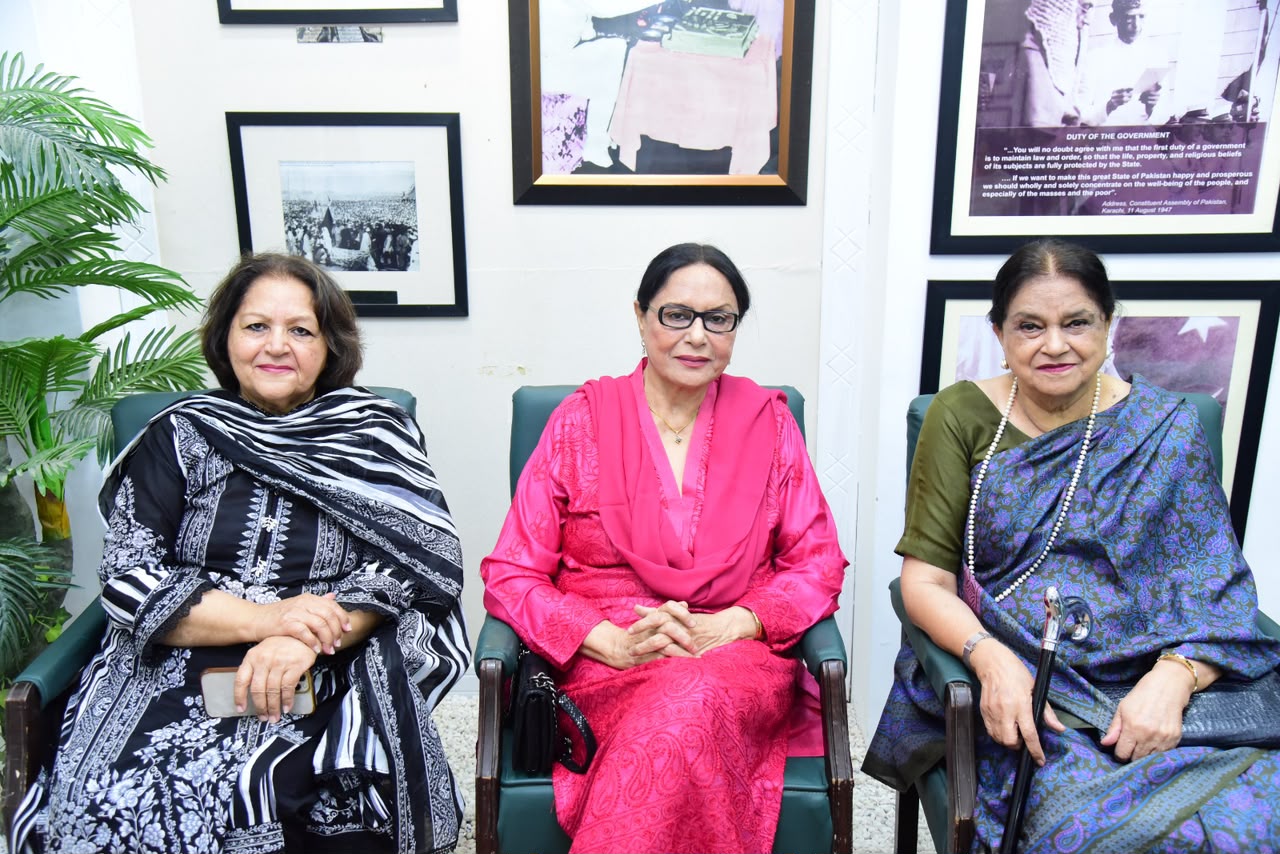
During her address, Sultana Siddiqui said she drew lasting inspiration from the vision of Quaid-e-Azam Muhammad Ali Jinnah, particularly his commitment to education and women’s empowerment.
Sultana Siddiqui addresses an audience during a nation-building talk at the Quaid-e-Azam House Museum in Karachi.
Sharing her professional journey, she recalled leaving Pakistan Television (PTV) to establish her own production company, Moomal Productions, at a time when very few women entered the media business as entrepreneurs.