Trump Signals Possible US Move on Cuba, Expands Sanctions in Escalating Tensions
Trump Signals Possible US Move on Cuba, Expands Sanctions in Escalating Tensions
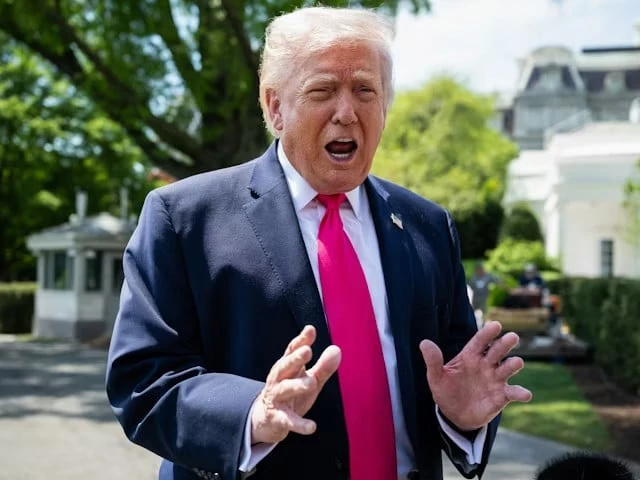
US President Donald Trump on Friday suggested that the United States could move to take control of Cuba “almost immediately,” raising concerns over a dramatic escalation in regional tensions.
Academy Bans AI-Generated Actors from Oscar Eligibility in New Rule Update
Speaking at an event in Florida, Trump indicated that a show of military force—potentially involving the USS Abraham Lincoln—could be used to pressure Cuba. He suggested the aircraft carrier might be deployed offshore following US operations in Iran, claiming such a move alone could compel the Cuban government to surrender.
The remarks came alongside the signing of a new executive order broadening US sanctions against Cuba. According to officials, the measures target individuals, entities, and affiliates linked to the Cuban government’s security apparatus, as well as those accused of corruption or human rights violations. The sanctions extend to sectors including energy, defense, mining, financial services, and security, and may also apply to foreign entities conducting business with sanctioned groups.
Cuban President Miguel Díaz-Canel strongly condemned the move, describing the measures as “coercive” and accusing Washington of reinforcing what he called a “brutal” economic blockade. Cuba’s Foreign Minister Bruno Rodríguez echoed the criticism, stating that the sanctions amount to “collective punishment” and insisting that the Cuban people would not be intimidated.
Analysts say the new sanctions represent one of the most significant expansions affecting non-US companies since the long-standing US embargo on Cuba began decades ago. Experts warn that industries such as oil, gas, mining, and banking could face increased risk if they maintain ties with the island.
The measures are part of a broader strategy by the Trump administration to increase pressure on governments it views as adversarial. Officials have accused Cuba of maintaining links with countries like Iran and groups such as Hezbollah, as well as providing a base for foreign intelligence operations close to US territory.
The latest developments follow earlier actions by Washington, including tighter restrictions on oil supplies to Cuba and pressure on international partners to halt shipments. These steps have contributed to worsening fuel shortages and widespread power outages across the island.
Despite mounting pressure, Havana has maintained that its political and economic system is not open to negotiation, rejecting US demands for reforms and elections.
The situation signals a sharp escalation in US-Cuba relations, with potential implications for regional stability and international trade.