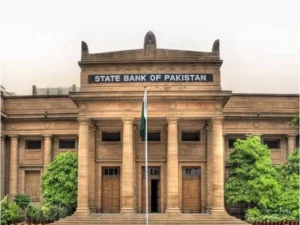
Ogra faces scrutiny amid investigations and leadership changes. Photo File
Ogra is facing growing uncertainty after one of its key members resigned following questioning by the Federal Investigation Agency (FIA) over controversial oil pricing claims.
The development has drawn attention because it comes as the government reportedly moves to amend laws governing Ogra. The proposed changes could allow senior civil servants to lead the regulator, raising fresh questions about its autonomy and governance.
Ogra Member Resignation After FIA Questioning
According to sources, Ogra Member (Oil) Zainul Abideen Qureshi submitted his resignation after FIA officials questioned him regarding price differential claims (PDCs).
Investigators examined payments linked to subsidized petroleum pricing that followed regional market disruptions. The probe reportedly focuses on claims involving oil stock and sales reporting.
Officials believe discrepancies may have contributed to questionable claims worth approximately Rs14 billion. However, investigations remain ongoing and no final findings have been announced.
JAAC Protest Clashes Escalate as Rawalakot Violence Turns Deadly
FIA Investigates Oil Pricing Claims
The FIA reportedly conducted separate questioning sessions with Mr. Qureshi and Director General (Oil) Imran Ahmad over several days.
Authorities are examining whether oil stock and sales figures were accurately reported during the subsidy period. Consequently, the investigation has become a major issue for the energy sector.
Meanwhile, Go Petroleum obtained a stay order from the Sindh High Court regarding the FIA inquiry. Nevertheless, the federal government established a committee to review the integrity of PDC payments.
The committee includes representatives from the Ministry of Finance, Petroleum Division, Federal Board of Revenue, Auditor General’s Office, and Ogra.
Ogra Leadership Changes Raise Concerns
At the same time, leadership changes within Ogra have generated debate among industry observers.
On April 8, the government appointed Nabeel Ahmed Awan, Secretary Establishment, as Ogra chairman for a three-month period. The chairman’s position had remained vacant for nearly 18 months before the appointment.
Under existing law, the vice chairman typically assumes responsibilities when the chairman’s office becomes vacant. However, government decisions altered the leadership arrangement during a period of heightened energy-sector activity.
Furthermore, reports indicate that additional Pakistan Administrative Service officers have recently joined the regulator on deputation.
Nabeel Ahmed Awan Appointment Under Scrutiny
The appointment of Nabeel Ahmed Awan has reportedly been challenged before the Islamabad High Court.
Despite the legal challenge, the regulator has continued to bring in officers from the civil service structure. Sources stated that Majid Mohsin Panhwar and Imran Ali Sultan recently joined Ogra on deputation.
As a result, questions have emerged about whether existing legislation provides sufficient legal support for such appointments.
Ogra Law Amendments Before Budget
The government is reportedly preparing amendments to the Ogra law through a presidential ordinance before upcoming budget proceedings.
According to sources, the proposed amendments would allow BS-21 and BS-22 officers to serve as chairman for a four-year term. The tenure could also be extended for an additional term.
In addition, the amendments would reportedly permit the deputation of civil servants to support the chairman’s office. Supporters argue the changes would provide legal clarity. Critics, however, may view them as a shift away from the regulator’s traditional autonomous structure.
Ogra Future Remains In Focus
The resignation of a senior member and ongoing investigations have placed Ogra under intense scrutiny.
Meanwhile, proposed legal reforms could significantly influence how the regulator is managed in the future. As investigations continue and lawmakers consider amendments, stakeholders across Pakistan’s energy sector will be closely monitoring developments.
Related keywords: oil pricing claims, petroleum regulation, energy sector reforms, price differential claims, oil marketing companies, government regulation, petroleum industry, regulatory oversight.