Naveed Kamran Baloch Launches Revamped IRD Programme for Faster Grievance Resolution
Ambassador Khalil Hashmi inaugurates Pakistan-China Joint Research Centre in Shenyang.
Pakistan’s public grievance system is entering a new phase as the IRD Programme receives a major institutional upgrade. The initiative was introduced to support faster complaint handling through dialogue and practical engagement rather than lengthy procedural channels.
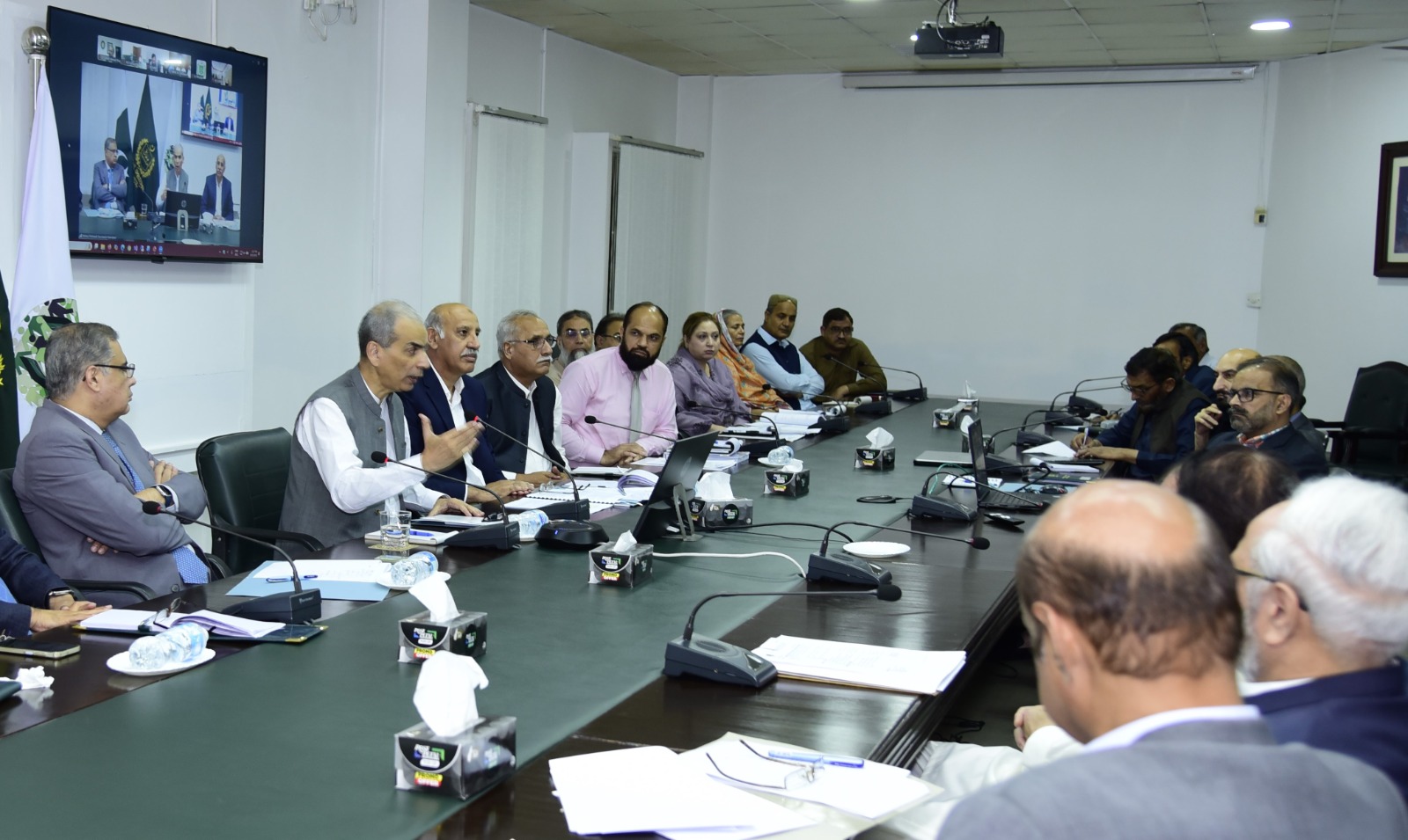
The announcement came during a four-day online training workshop held at the Wafaqi Mohtasib Secretariat in Karachi. Federal Ombudsman Naveed Kamran Baloch stated that the programme is designed to improve public access to grievance resolution while increasing efficiency across administrative processes.
Naveed Kamran Baloch Expands IRD Programme
Addressing officers and focal persons during the inauguration ceremony, Naveed Kamran Baloch explained that the Informal Resolution of Disputes mechanism aims to resolve complaints through mutual understanding and direct communication.
He stated that the framework provides a structured yet flexible process that remains accessible to citizens. Unlike formal adjudication procedures, the system seeks consensual outcomes and avoids extensive legal or administrative delays.
According to the workshop briefing, the programme focuses on creating practical pathways for addressing public concerns while reducing procedural bottlenecks. The training sessions are intended to strengthen staff capability and improve case handling standards.
For more: ZABEFEST’26 Showcases Pakistan Future Innovators At SZABIST University
IRD Programme Supports Faster Redressal
Officials explained that the IRD Programme follows principles similar to internationally recognized Alternative Dispute Resolution practices. However, the approach also reflects local traditions of community-based conflict settlement through dialogue.
The Federal Ombudsman reportedly emphasized that many public complaints emerge from administrative delays rather than legal disputes. As a result, the programme seeks to address issues before they escalate into formal proceedings.
The initiative is expected to increase access for people living in remote and underserved regions. Furthermore, authorities believe that simplified engagement may improve responsiveness and public confidence.
Wafaqi Mohtasib Creates Dedicated IRD Wing
To support implementation, the Secretariat established a dedicated IRD Wing at the Head Office. Dr. Syed Asif Hussain, Senior Advisor at the Wafaqi Mohtasib Secretariat, has been assigned responsibility for leading the newly formed structure.
Workshop sessions will focus on procedures, operational methods, and complaint management techniques. Officers participating in the programme will receive training aimed at improving service delivery and reducing processing time.
Officials noted that Article 33 of the Establishment of the Office of the Wafaqi Mohtasib Order 1983 authorizes conciliatory and amicable settlement of grievances without formal proceedings.
IRD Programme Targets Better Public Access
The initiative reflects a broader administrative effort to encourage responsive governance and citizen-focused service delivery. Through institutional support and officer training, the programme seeks to make grievance handling more efficient and accessible.
Authorities stated that the long-term objective is to promote practical problem-solving while ensuring that complaint mechanisms remain humane and timely. The IRD Programme is expected to play a growing role in strengthening public service outcomes across Pakistan.