
Makkah Defence Pact Signals Shift Towards Strategic Autonomy, Experts Say
Pakistan, Saudi Arabia and Türkiye’s emerging security partnership reflects changing regional alliances and a move towards a more multipolar world, speakers say.
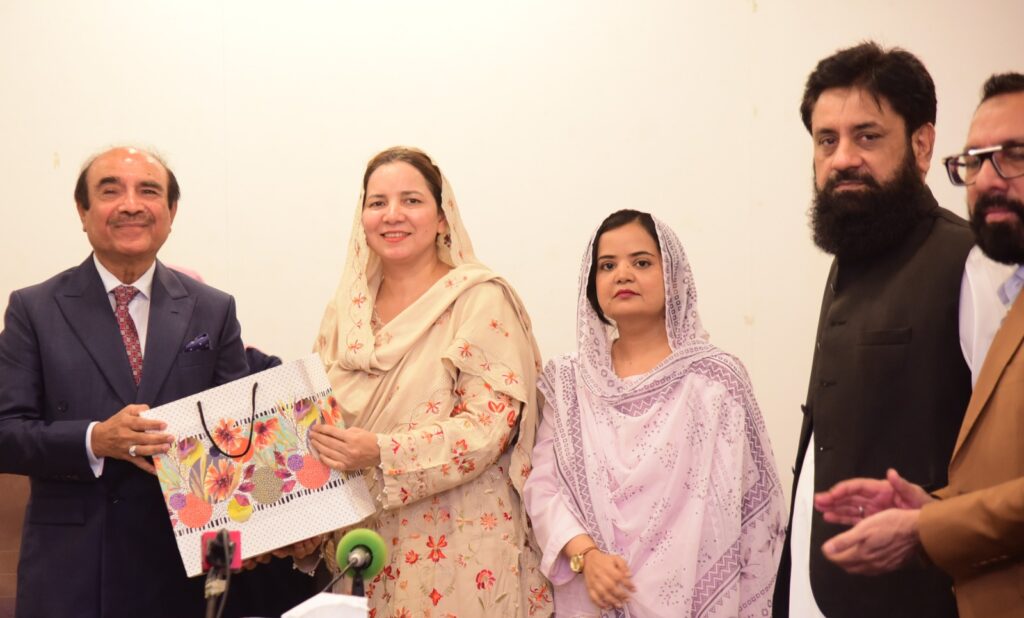
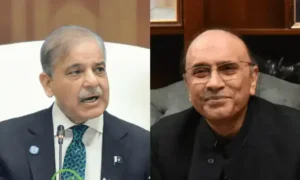
Experts discuss the strategic implications of the Makkah Defence Pact between Pakistan, Saudi Arabia and Türkiye at a PID seminar in Karachi.
KARACHI, August 27, 2026: Pakistan, Saudi Arabia and Türkiye’s Makkah defence agreement reflects a growing effort by regional powers to strengthen strategic autonomy as the global balance of power shifts towards a more multipolar system, experts said at a seminar in Karachi.
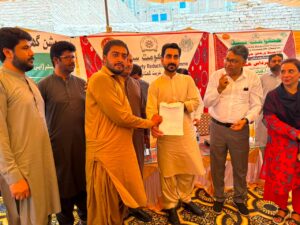
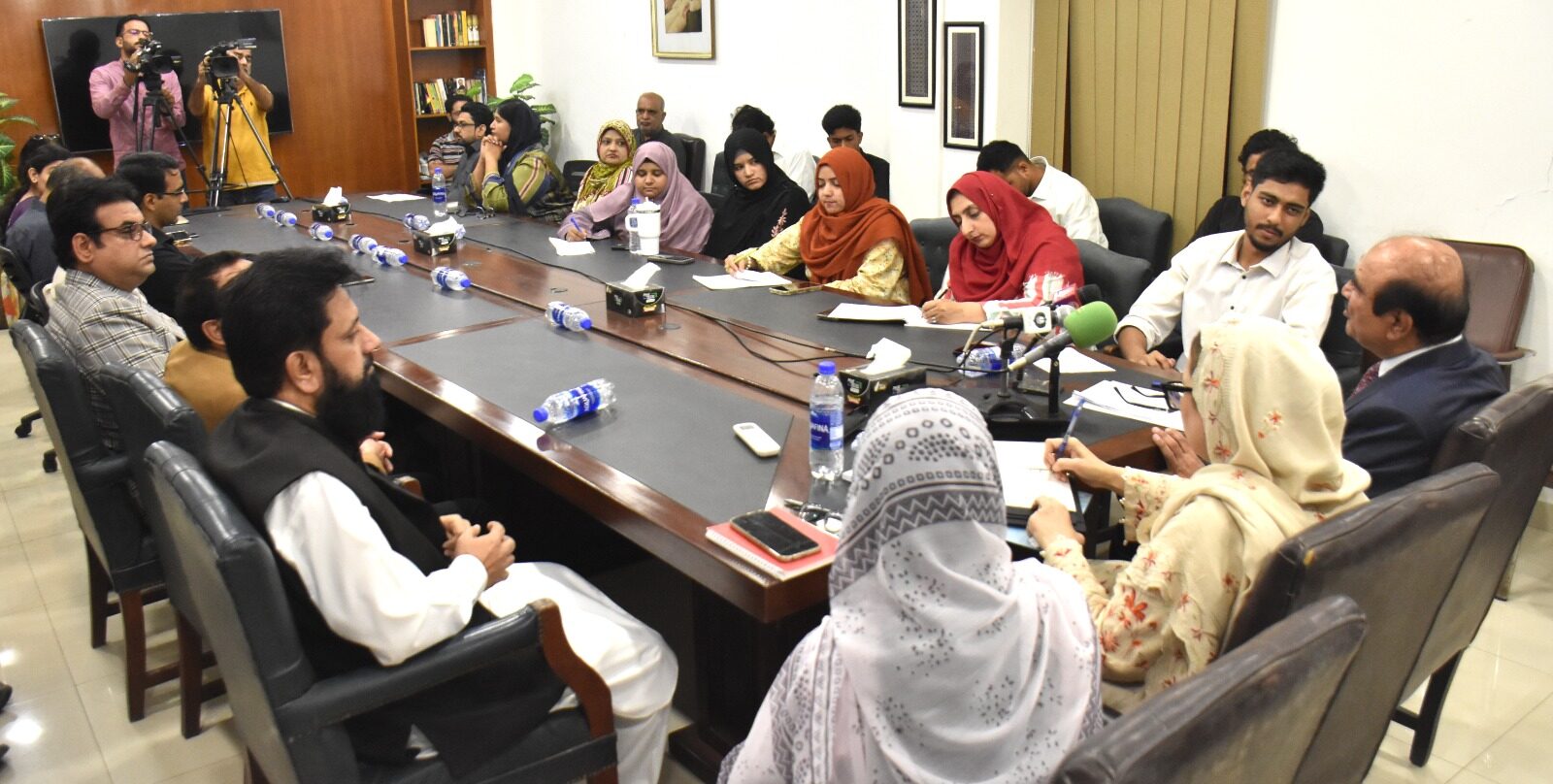
The Press Information Department (PID) organised the seminar to discuss the agreement and its wider geopolitical implications. Former diplomats, academics, media professionals, teachers and students attended the event.
Pact Seen as Security Partnership
Former ambassador Ghulam Rasool Baloch described the agreement as an “insurance policy” against aggression, saying the three countries faced several common security challenges.
He said the partnership could eventually develop institutional mechanisms such as a secretariat and a council of foreign ministers. A joint military command could also emerge in the future, he added.
UIG Plans Digital Life Insurance Venture to Expand Pakistan Presence
Baloch cautioned against describing the agreement as a “Muslim Nato” at this stage. He noted that the pact currently lacks a joint command structure and multinational military force.
He also pointed to differences between the political systems of the three countries, while noting that Nato consists of the armed forces of democratic member states.
Pakistan, Saudi Arabia and Türkiye Bring Strategic Weight
Baloch highlighted the individual strategic importance of the three countries.
Saudi Arabia plays a major role in the Gulf Cooperation Council and holds significant importance across the Muslim world. Türkiye has developed advanced defence capabilities and military technology, while Pakistan remains the only nuclear-armed Muslim-majority country.
He said Pakistan had also maintained relationships with the United States, China and the European Union while navigating an international system undergoing major changes.
“The Makkah agreement is the result of a strategic partnership, not fear,” Baloch said.
He linked the agreement to conflicts in Gaza and Iran, arguing that recent regional crises had highlighted the vulnerabilities created by divisions among countries in the region.
Experts Discuss Wider Global Impact
Assistant Professor Dr Sidra Ahmed said the agreement had surprised major powers and noted that the United States had not been involved in the process.
She also pointed to US President Donald Trump’s subsequent public remarks about the agreement, describing them as significant.
According to Ahmed, the pact could have implications beyond the immediate region. She said Russia could benefit from arrangements that challenge US dominance, while some European countries had reacted positively but cautiously.
She also argued that Saudi Arabia was seeking to diversify its defence partnerships and reduce its dependence on the United States for security.
Ahmed linked the agreement to wider tensions involving Iran and Israel, saying developments in the region could eventually affect Türkiye and increase the importance of regional security cooperation.
Future of Pact Remains Unclear
Baloch stressed that the agreement remained at an early stage. The three countries have not publicly identified a common adversary, he said.
Its long-term significance will therefore depend on the development of its institutional, diplomatic and military mechanisms.
The seminar concluded with remarks from Iram Tanveer, Director General of the Press Information Department. She described the agreement as an important development for the Muslim world and Pakistan.
Tanveer said the international system was moving away from unipolarity towards multipolarity. She argued that the Makkah defence agreement should be viewed within this broader transformation.
She said the PID organised the seminar to encourage informed discussion among academics, diplomats, media professionals and young people about the agreement and its potential geopolitical consequences.