KP Budget: Khyber Pakhtunkhwa unveils Rs524bn development plan focused on growth
Web Desk June 20, 2026The Khyber Pakhtunkhwa government on Friday unveiled a Rs524.3 billion development budget for the 2026-27 fiscal year, placing infrastructure, climate resilience, youth empowerment and governance reforms at the centre of its spending strategy.
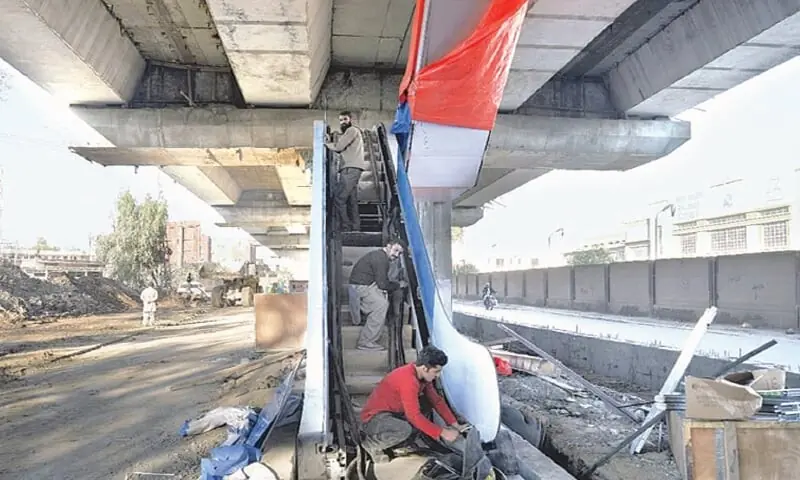
Khyber Pakhtunkhwa government presents FY2026-27 development budget in Peshawar
The Khyber Pakhtunkhwa government on Friday unveiled a Rs524.3 billion development budget for the 2026-27 fiscal year, placing infrastructure, climate resilience, youth empowerment and governance reforms at the centre of its spending strategy.
FY27 Budget: Aurangzeb says budget will accelerate Pakistan’s sustainable growth
Presenting the budget, Chief Minister Sohail Afridi outlined a development framework designed to support economic growth, improve public services and reduce regional disparities across the province.
The proposed development allocation is Rs84bn lower than the revised development portfolio of Rs608.5bn for the current fiscal year. Actual development spending for the outgoing year stood at Rs547bn.
According to budget documents, Rs431.4bn has been allocated for settled districts, while Rs40.6bn has been reserved for merged districts.
An additional Rs52.3bn has been allocated under the Accelerated Implementation Programme (AIP), bringing the total proposed development outlay for former tribal districts to Rs92.9bn.
Infrastructure received the largest share of spending at 44 per cent of the total development budget. Social sectors received 19pc, governance initiatives 13pc, multi-sectoral programmes 10pc, production sectors 9pc and green development initiatives 5pc.
The government said spending priorities would focus on youth empowerment, improved governance under the Ehsaas Awam Ka initiative, social protection, employment generation, water conservation, climate resilience, biodiversity, digital transformation and public safety.
Sector-wise allocations include Rs47bn for district development programmes, Rs39bn for roads, Rs38bn for urban development, Rs20bn each for the home department and multi-sectoral development, Rs18.9bn for water resources, Rs16.3bn for health, Rs10bn for drinking water and sanitation, Rs7bn for school education and Rs5.5bn for higher education.
To strengthen climate preparedness, the government introduced a Disaster Risk Management Fund with an allocation of Rs12bn, compared with no allocation in the previous fiscal year.
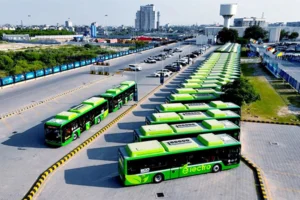
The budget also includes Rs2.5bn for an Electric Vehicle Adoption Incentive programme aimed at reducing emissions, lowering fuel dependence and improving air quality in urban centres.
In education, the government allocated Rs2bn for interest-free university loans to help students access higher education and repay after securing employment.
Another Rs2bn has been set aside for interest-free loans for overseas workers to support migration-related expenses including travel, documentation and training.
To address faculty shortages, the Higher Education Department will receive Rs1.5bn for flexible lecturer recruitment in public institutions.
The digital sector also received attention, with Rs1bn allocated for a proposed Artificial Intelligence Authority to promote AI adoption across governance and services.
Additionally, Rs500 million has been earmarked for free public WiFi in Peshawar to expand internet access.
Agriculture support has also increased, with the DAP fertiliser subsidy rising from Rs600m to Rs2bn to strengthen agricultural productivity.
The budget further includes Rs2bn for interest payments linked to Ehsaas social initiatives and Rs3bn to support Shariah-compliant Takaful insurance services aimed at expanding insurance access across the province.