KCCI delegation holds constructive talks with Saudi–Pakistan Joint Business Council

discusses naphtha cracker, industrialization, value-addition, agriculture, textiles, IT & academia.
KARACHI: A high-level delegation from the Karachi Chamber of Commerce & Industry (KCCI), led by Chairman Businessmen Group Zubair Motiwala and Vice Chairmen Anjum Nisar, Jawed Bilwani and Mian Abrar Ahmed, met with a Saudi business delegation headed by His Excellency Prince Mansour bin Mohammed Al Saud, Chairman of the Saudi–Pakistan Joint Business Council. The meeting exchanged views on strengthening bilateral trade and investment ties, with a particular focus on downstream industrial projects, petrochemicals and sectoral value-addition opportunities in Pakistan.
KCCI representatives stressed Pakistan’s urgent need for strategic downstream petrochemical capacity, including the establishment of a naphtha cracker facility, to reduce import dependence on polymers and petrochemical feedstocks, create high-value jobs and stimulate local industry across textiles, plastics, packaging and chemicals. KCCI noted that a naphtha cracker would be transformational for Pakistan’s manufacturing landscape and called on Saudi investors and the Joint Business Council to evaluate partnership models and financing structures for such a project.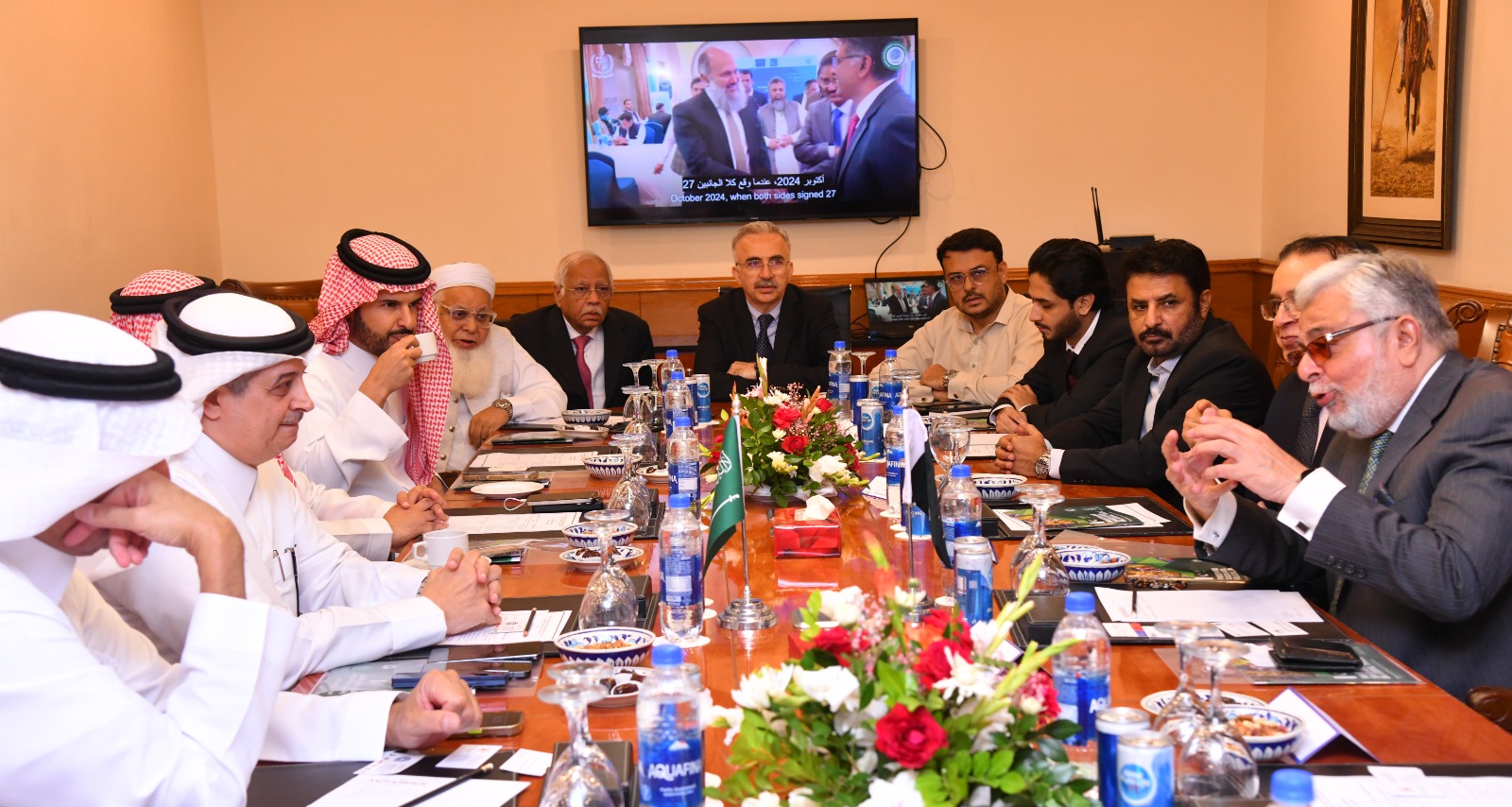
Prince Mansour and the Saudi delegation expressed interest in exploring a broad pipeline of opportunities across energy, industrialization, agriculture, textiles, information technology and academic-industry collaborations, underscoring Saudi Arabia’s continuing focus on deepening economic engagement with Pakistan.
Speakers on both sides discussed the scale and timelines such downstream projects entail. Public reporting and industry studies put the capital requirement for a naphtha cracker in the multi-billion-dollar range. KCCI emphasized the importance of firm feasibility studies, feedstock security, port and logistics planning, and clear regulatory and fiscal incentives to attract anchor investors and project finance.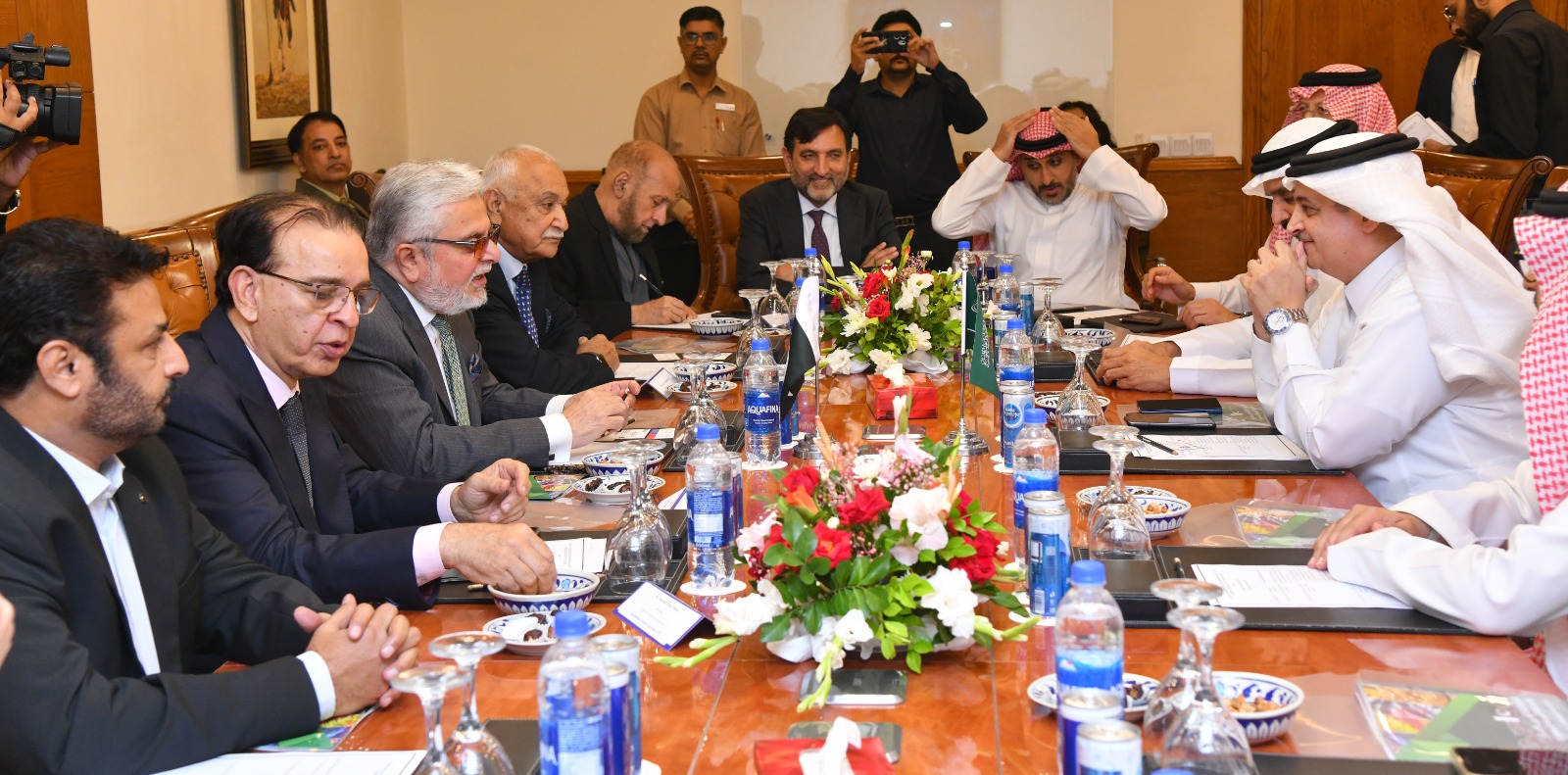
Beyond petrochemicals, KCCI delegation highlighted opportunities for value-added textile investments (backward and forward linkages), agribusiness and food processing projects that can raise farmer incomes and increase exports, and for IT and academic partnerships to build human capital to support new industrial activity. The two sides also explored joint ventures, technology transfer arrangements, and cooperation between Pakistani universities and Saudi industrial partners to foster applied research and skilled workforce development.
Chairman BMG Zubair Motiwala, described the engagement as “a timely and practical step toward converting goodwill into concrete projects that generate jobs, substitute imports and scale Pakistan’s manufacturing exports.” He said that KCCI will work with federal and provincial authorities, the Special Investment Facilitation Council (SIFC), and relevant Saudi counterparts to advance prioritized feasibility work, facilitate investor visits, and convene focused sectoral working groups to move viable proposals to term sheets and project development agreements.