Israeli Strikes, Hezbollah Fire Test Fragile Ceasefire
Israeli strikes and Hezbollah rocket fire test a fragile ceasefire as diplomats pursue talks to prevent further escalation.
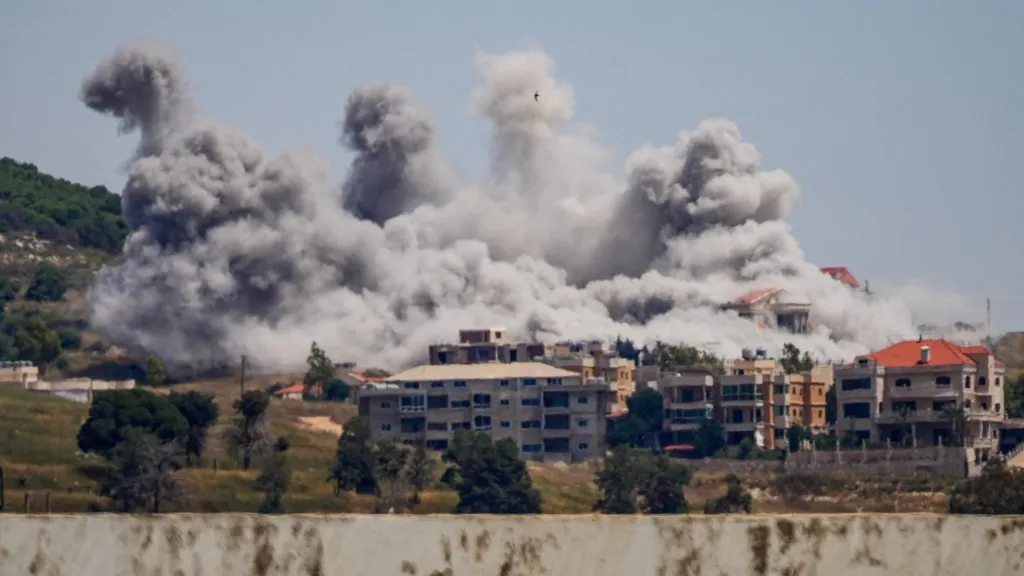
Beirut — Israeli airstrikes killed at least nine people in southern Lebanon on Wednesday, according to Lebanese authorities, while Hezbollah launched rockets toward northern Israel in a fresh escalation that tested a recently announced partial ceasefire.
UN Women, PSPA Discuss Gender-Responsive Social Protection
Lebanon’s Health Ministry reported that the victims included two paramedics whose ambulance came under attack in the Chehour area of southern Lebanon. Additional strikes targeted several locations across the south, while another attack hit a vehicle near Beirut.
Hezbollah Launches Rockets Into Northern Israel
The Israeli military said it intercepted a drone and two projectiles that crossed the border from Lebanon. Hezbollah later stated that it had targeted a gathering of Israeli troops in northern Israel with a rocket barrage.
The group said the attacks were a response to what it described as Israeli violations of the ceasefire arrangements announced earlier this week.
Ceasefire Faces Early Challenges
The incidents placed further pressure on the partial ceasefire announced on Monday. According to Lebanese officials, the understanding calls for Israel to refrain from striking Beirut while Hezbollah avoids attacks inside Israel.
Despite the arrangement, violence continued in southern Lebanon, raising concerns about the stability of the agreement.
Diplomatic Efforts Continue in Washington
Israeli and Lebanese representatives held a second day of talks in Washington to discuss measures aimed at strengthening the ceasefire framework.
Speaking to reporters, Marco Rubio expressed hope that the discussions would produce a security plan for Lebanon that operates independently of Hezbollah.
Meanwhile, diplomatic efforts continued amid concerns that further escalation could undermine broader regional stability.
Rising Humanitarian Concerns
The conflict has caused significant humanitarian challenges. According to Lebanese authorities, more than 3,500 people have died in Lebanon since the fighting began. The figures do not distinguish between civilians and combatants.
The United Nations estimates that more than one million people have registered as displaced. Large numbers of families remain away from their homes as military operations continue.
Lebanese officials also reported additional casualties among healthcare workers and military personnel following Wednesday’s strikes.
Regional Implications
The latest developments highlight the fragile nature of the current ceasefire efforts. Both military activity and political disagreements continue to complicate attempts to reduce tensions along the Israel-Lebanon border.
Observers say the outcome of ongoing diplomatic discussions may play a key role in determining whether the ceasefire can hold and prevent a broader regional escalation.