Islamabad Becomes Emerging Diplomatic Hub as Iran–US Backchannel Talks Gain Momentum Amid Regional Tensions
Web Desk April 24, 2026Islamabad is rapidly emerging as a critical diplomatic hub in the unfolding Iran–United States crisis, as senior Iranian officials are expected to arrive in the Pakistani capital for high-level consultations that may pave the way for renewed peace talks after earlier negotiations collapsed.
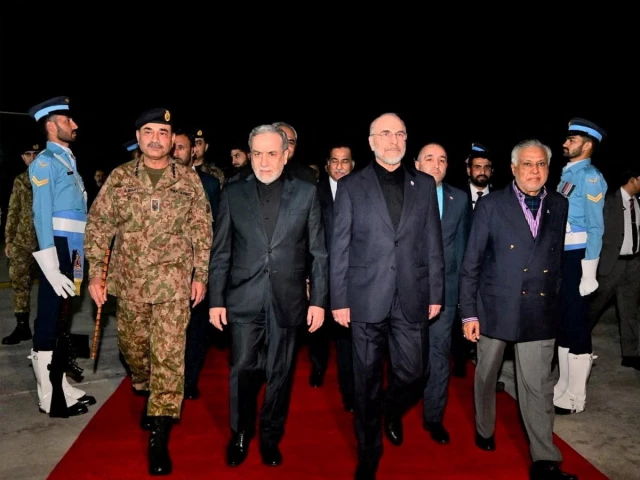
Islamabad is rapidly emerging as a critical diplomatic hub in the unfolding Iran–United States crisis, as senior Iranian officials are expected to arrive in the Pakistani capital for high-level consultations that may pave the way for renewed peace talks after earlier negotiations collapsed.
Iranian Foreign Minister Abbas Araghchi is scheduled to arrive in Islamabad with a small delegation on Friday night, according to official and state media sources. His visit comes at a time when regional tensions remain high following weeks of instability linked to the ongoing Iran–US conflict, maritime disruptions in the Strait of Hormuz, and heightened military posturing across the Middle East.
In a statement posted on social media platform X, Araghchi described his regional tour, including visits to Islamabad, Muscat, and Moscow, as “timely,” emphasizing that the objective is to coordinate closely with partners on bilateral relations and consult on rapidly evolving regional developments. He further stressed that “neighbours are a priority,” signaling Pakistan’s increasing importance in Iran’s regional diplomatic outreach.
According to Pakistani government sources, there is cautious optimism that Araghchi’s visit could contribute to restarting stalled Iran–US negotiations. However, officials stressed that no formal confirmation of resumed talks has yet been made, and Washington’s position remains unclear. One official noted that the discussions are still in the exploratory phase and described current developments as “speculative until confirmed on the ground.”
State media reports suggest that US logistical and security officials are already present in Islamabad, adding further weight to speculation that backchannel diplomacy is actively underway. The possibility of renewed talks follows a failed attempt earlier this week, when planned negotiations did not materialize due to Iran’s hesitation and the absence of a US delegation departure from Washington.
Meanwhile, Pakistan continues to play a facilitating role in diplomatic communication between Tehran and Washington. Deputy Prime Minister and Foreign Minister Ishaq Dar recently held a telephone conversation with Araghchi, during which he emphasized the importance of sustained dialogue to ensure regional peace and stability. The Iranian foreign minister reportedly appreciated Pakistan’s “constructive facilitation,” highlighting Islamabad’s growing role as a neutral intermediary.
Despite diplomatic movement, the broader geopolitical situation remains tense. Iran continues to reject what it calls “baseless accusations” from Israel regarding its regional activities, while reaffirming its defensive capabilities under international law. Iranian military officials have also issued strong statements asserting national resilience and rejecting claims of strategic defeat.
On the other side, US President Donald Trump has reiterated that Washington does not intend to use nuclear weapons in the conflict, while maintaining a firm stance on conventional military superiority. He has also suggested that Iran’s military capabilities have been significantly weakened, though analysts note that asymmetric warfare—particularly Iran’s naval tactics in the Strait of Hormuz—continues to pose strategic challenges.
The maritime dimension of the conflict remains particularly volatile. Reports indicate that Iran’s use of fast-attack boats and asymmetric naval tactics has disrupted shipping routes through the Strait of Hormuz, a critical passageway responsible for nearly one-fifth of global oil and liquefied natural gas transport. This has resulted in increased insurance costs, heightened security risks, and ongoing uncertainty in global energy markets.
At the same time, tensions within Western alliances are also surfacing, with internal discussions reportedly emerging within the Pentagon regarding NATO coordination and access agreements. These developments suggest growing strain among allied nations over the scope and coordination of operations related to the Iran conflict.
Against this backdrop, Islamabad’s role as a potential diplomatic bridge has gained unprecedented significance. The city has witnessed heightened security measures and restricted movement in recent days, as officials prepare for possible high-level delegations and emergency diplomatic engagements.
For Pakistan, the situation presents both an opportunity and a challenge: to facilitate peace efforts while maintaining stability amid one of the most complex geopolitical crises in recent years.
As diplomatic channels cautiously reopen, the world now watches whether Islamabad can serve as the platform where dialogue replaces confrontation and where stalled negotiations may find a pathway back to the table.