Iran Warns Regional Infrastructure Not Safe if Its Security Is Threatened
Tehran issues a fresh warning as diplomatic efforts continue over the Strait of Hormuz and the wider Iran-US conflict
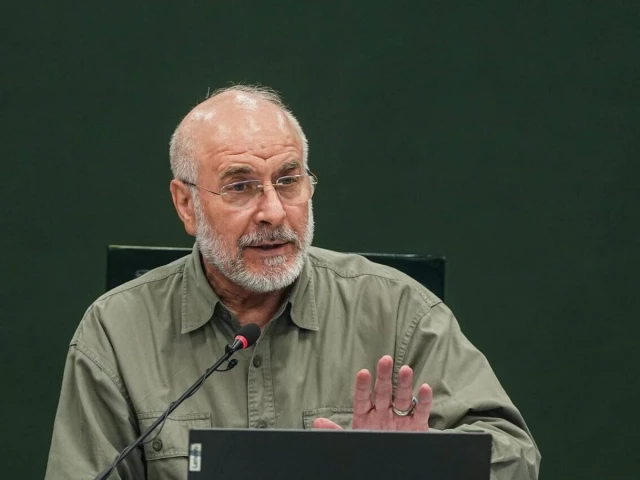
Iran warns over regional infrastructure as diplomatic efforts continue to reopen the Strait of Hormuz
TEHRAN: Iranian Parliament Speaker Mohammad Bagher Ghalibaf has warned that regional infrastructure could face risks if Iran’s security is not guaranteed, as diplomatic efforts continue over the Strait of Hormuz.
Addressing an open parliamentary session on Tuesday, Ghalibaf said Iran would not retreat under threats or pressure from the United States.
He also linked the security of regional energy infrastructure to Iran’s ability to export oil.
“In a region where we cannot sell our oil, no one will sell theirs,” Ghalibaf said, according to Iranian state media. He added that if Iran’s security was not guaranteed, “no infrastructure will remain safe.”
Ghalibaf said Tehran would respond swiftly to what he described as threats or military action against Iran.
He also criticised US President Donald Trump’s recent remarks at the United Nations General Assembly, saying Washington had not changed its approach toward Tehran.
IRGC Accuses Trump of Misleading Americans
An Islamic Revolutionary Guard Corps (IRGC) spokesperson, Hossein Mohebbi, separately accused Trump of misleading Americans over Iran’s nuclear programme and the situation in the Strait of Hormuz.
Mohebbi said Iran was not seeking nuclear weapons and argued that the dispute with Washington extended beyond the nuclear issue.
He also rejected US claims that Iran had lost significant leverage over the Strait of Hormuz.
Kpler data cited in current reporting shows that oil exports through the strait have recovered to almost 10 million barrels per day in September, around half of pre-war levels.
Mohebbi also said the IRGC was preparing a detailed letter to the American public outlining Iran’s position on the conflict.
Russia Opposes Iranian Withdrawal From NPT
The Kremlin said Tuesday that Russia does not want Iran to withdraw from the Nuclear Non-Proliferation Treaty (NPT).
Kremlin spokesman Dmitry Peskov said Moscow expects Tehran to remain a party to the treaty.
The statement came after Iranian officials discussed the possibility of leaving the agreement amid continuing tensions with Washington.
Tehran Awaits US Response on Hormuz Proposal
Iranian Foreign Minister Abbas Araghchi said Qatar would convey new Iranian ideas to Washington concerning the reopening of the Strait of Hormuz.
Araghchi said Tehran had presented a seven-point proposal through Qatari mediators. Iran is waiting for an official US response.
The proposal links reopening the strategic waterway to conditions set by Tehran. Iran has also called for a negotiated solution to the wider conflict.
The latest diplomatic contacts come after US and Iranian officials separately engaged mediators in an effort to end the conflict. Reuters reported that discussions are focused on an amended version of Iran’s seven-day proposal.
US President Donald Trump has rejected reports that he offered Iran sanctions relief or access to frozen funds. Trump said he had offered Tehran “nothing,” while negotiations through intermediaries continue.
Tensions Continue Over Sanctions and Regional Security
Iranian officials have also criticised US sanctions targeting the country’s aviation sector.
Iranian international law scholar Shahram Zarneshan said restrictions on aviation ties could raise questions under international agreements, including the Chicago Convention.
Meanwhile, Iran’s representative to the United Nations rejected allegations made by Canada’s foreign minister concerning Tehran’s regional role.
The diplomatic exchanges come as the conflict continues to affect regional security and global energy markets. Oil prices rose for a second consecutive session on Tuesday amid concerns over possible supply disruptions.
With mediators continuing contacts between Washington and Tehran, the Strait of Hormuz remains a central issue in efforts to reduce tensions and restore maritime traffic.