Iran Hardens Ceasefire Stance as Pakistan Pushes Diplomatic Breakthrough Amid US Naval Blockade Dispute
Web Desk April 22, 2026Tehran/Islamabad: Iran’s parliamentary speaker and chief negotiator Mohammad Bagher Ghalibaf has said that a “complete ceasefire” with the United States is only possible if Washington ends its naval blockade of the Strait of Hormuz, further tightening Tehran’s position as diplomatic efforts intensify to revive stalled negotiations.
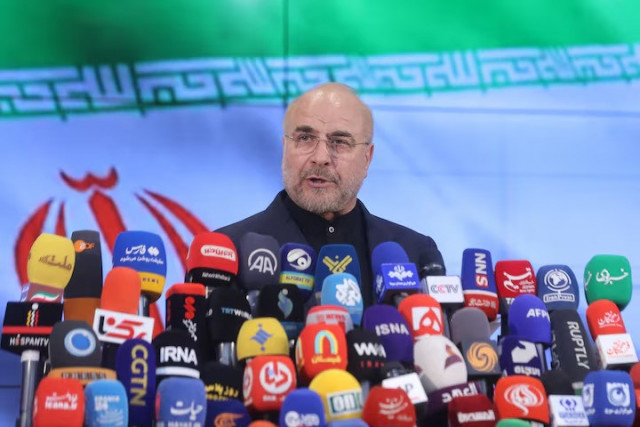
Tehran/Islamabad: Iran’s parliamentary speaker and chief negotiator Mohammad Bagher Ghalibaf has said that a “complete ceasefire” with the United States is only possible if Washington ends its naval blockade of the Strait of Hormuz, further tightening Tehran’s position as diplomatic efforts intensify to revive stalled negotiations.
In a post on X, Ghalibaf argued that any ceasefire would be meaningless if accompanied by continued restrictions on maritime trade and what he described as the “hostage-taking of the world’s economy.” He also demanded an end to what he termed Israeli “warmongering” across multiple fronts, insisting that reopening the Strait of Hormuz under current conditions was “impossible.”
He reiterated that military pressure and economic coercion would not force Iran to abandon its position, stating that “the only way forward is to recognise the rights of the Iranian nation.”
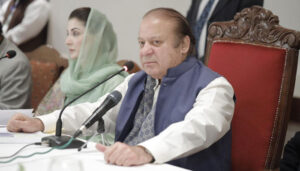
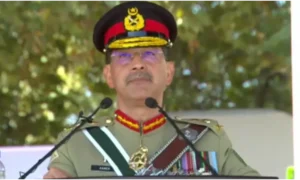
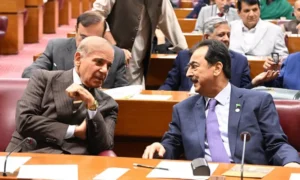
The remarks come as Pakistan continues its high-level diplomatic push to bring the United States and Iran back to the negotiating table. According to multiple sources familiar with the process, Islamabad has intensified efforts to persuade Washington to reconsider its naval blockade policy, which Tehran considers its primary condition for resuming talks.
Pakistani officials said behind-the-scenes diplomacy is ongoing, with senior leadership engaging regional stakeholders to help bridge differences. However, they cautioned that no clear timeline exists for a new round of negotiations, noting that both sides are currently “testing each other’s resolve.”
Sources acknowledged that restarting dialogue has proven more difficult than the initial ceasefire process, which Pakistan helped facilitate earlier this month through direct engagement between the two sides in Islamabad.
Despite expectations that a second round of talks could take place this week, diplomatic momentum has stalled. Iran has insisted that the United States must first lift restrictions on its ports and maritime access, even as Washington continues to maintain its naval presence in the region.
Reports indicate that a US delegation, including senior officials, remains in Islamabad, while Iranian representatives have not returned for scheduled discussions. The situation has left mediation efforts in limbo, with Pakistani authorities maintaining heightened security measures in the capital.
Road closures continue across Islamabad’s Red Zone, while educational institutions, transport services, and key commercial areas remain partially affected due to ongoing security protocols linked to the expected but delayed negotiations.
Former Pakistani diplomat Sardar Masood Khan has suggested that confidence-building measures—such as easing maritime restrictions and ensuring freedom of navigation in the Strait of Hormuz—could help create conditions for meaningful dialogue. He also proposed reciprocal steps, including the release of seized vessels and partial de-escalation measures by both sides.
The diplomatic standoff comes amid conflicting signals from Washington. Former US President Donald Trump has publicly suggested extending the ceasefire, reportedly at Pakistan’s request, while simultaneously maintaining the naval blockade, which Iran views as an act of war.
International reactions have been mixed, with the United Nations Secretary-General welcoming the ceasefire extension as an opportunity for de-escalation and renewed diplomacy. UN officials have urged all parties to avoid actions that could undermine fragile stability.
Meanwhile, reports from regional and international media suggest internal divisions within Iran’s leadership structure, with competing views between civilian negotiators and military commanders over strategy and engagement with the United States.
At the same time, maritime tensions in the Strait of Hormuz continue to escalate. Iran’s Revolutionary Guard Corps has intercepted multiple vessels in recent days, while international shipping agencies have reported gunfire incidents and increased threats to commercial navigation in the area.
The broader conflict, which escalated after joint US-Israeli strikes earlier this year, has already caused significant casualties and widespread disruption across the region. The Strait of Hormuz—one of the world’s most critical energy corridors—has become a central flashpoint, with global markets closely monitoring developments.
As diplomatic efforts continue in Islamabad, analysts say the situation remains highly volatile, with the success or failure of mediation efforts likely to determine whether the region moves toward renewed negotiations or deeper confrontation.