
Imran Khan Prison Health Claims Rejected by Pakistan Government
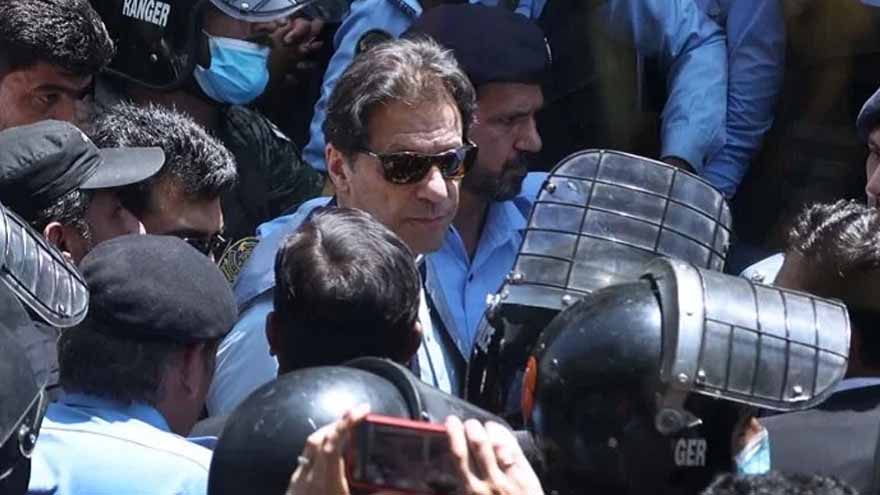
Pakistan's government rejects reports concerning Imran Khan's health and prison conditions.
The Pakistani government has rejected what it described as misleading foreign media reports about former prime minister Imran Khan’s health, prison conditions and access to family and medical care.
In a statement issued on Saturday, the Ministry of Information and Broadcasting said official prison and medical records did not support allegations that the Pakistan Tehreek-e-Insaf (PTI) founder had been kept in punitive solitary confinement or denied medical treatment.
The ministry described allegations of mistreatment, deprivation and isolation as “fake propaganda”. It said Imran Khan is serving sentences following convictions by courts of competent jurisdiction.
Government cites prison access and facilities
According to the ministry, prison authorities have allowed Imran Khan access to visitors, telephone calls, reading material, television and home-cooked meals.
The government said he also has access to exercise equipment and is housed in an exclusive seven-cell compound with sleeping, sanitation and exercise facilities.
The ministry also rejected claims that authorities had prevented him from meeting family members.
EFP Condemns Action Against Mian Adrees, Calls for Due Process
It said prison records show around 198 interview sessions and more than 900 visitor entries. These included meetings with his sisters, relatives, lawyers, doctors and political representatives.
The ministry said authorities also allowed weekly meetings with his wife. It recorded the latest meeting on August 4.
Ministry disputes claims of restricted family contact
Officials said prison records also contain details of telephone, landline and WhatsApp communications with family members in Pakistan and abroad.
The ministry said Imran Khan spoke with one of his sons on March 21.
It also recorded meetings with his sisters on August 18, 19 and 25.
Responding to reports about his sons, the ministry said both hold valid National Identity Cards for Overseas Pakistanis. It said these documents allow them to travel to Pakistan.
Government details medical examinations
The ministry also rejected allegations that authorities had withheld adequate medical treatment.
It said specialist teams and medical boards had carried out around 30 medical examinations since Imran Khan’s imprisonment.
According to the ministry, specialists from PIMS, Shifa International, Shaukat Khanum and Al-Shifa Trust Eye Hospital examined him. Prison doctors also conducted routine medical assessments.
The government said doctors provided specialist treatment for a retinal condition.
The treatment included five anti-VEGF injections, retinal imaging, medicines and follow-up consultations.
The ministry said medical assessments conducted in July and on August 21 found him “oriented” and stable. It said the records showed no acute or unmanaged deterioration.
Government refers to sister’s comments and court directions
The statement also referred to comments attributed to Imran Khan’s sister, Dr Uzma Niazi.
According to the ministry, she described him as “100 percent fit”. It said she cited a blood pressure reading of 120/80 and stated that his eye condition had almost completely recovered.
The ministry said authorities had implemented Supreme Court directions concerning his medical examination and treatment. It added that his sister was present during the examination.
It also said the Supreme Court directed Imran Khan’s family, PTI and lawyers not to publicly disclose his medical condition or medical reports while related proceedings remain pending.
Call for reliance on official records
The government said Imran Khan’s health should be assessed through medical records and court directions rather than political claims.
It said prison authorities regulate visits and communications under prison rules, court orders and security requirements.
The ministry argued that such regulations should not automatically be interpreted as a denial of access.
It urged foreign media organisations to distinguish between verified prison and medical records and allegations disputed in political debate.