
Pakistan, IMF Begin Talks on Reviews That Could Unlock $1.2 Billion
Finance Minister Muhammad Aurangzeb meets the IMF team as Pakistan seeks progress on its $7 billion EFF and $1.4 billion RSF programmes
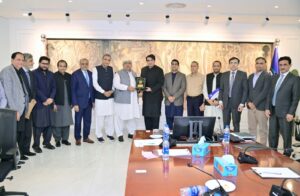
Finance Minister Muhammad Aurangzeb meets the IMF mission in Islamabad for Pakistan’s latest programme review.
ISLAMABAD: Pakistan and the International Monetary Fund (IMF) formally began talks on Tuesday for the fourth review of the country’s $7 billion Extended Fund Facility (EFF) and the third review of its $1.4 billion Resilience and Sustainability Facility (RSF).
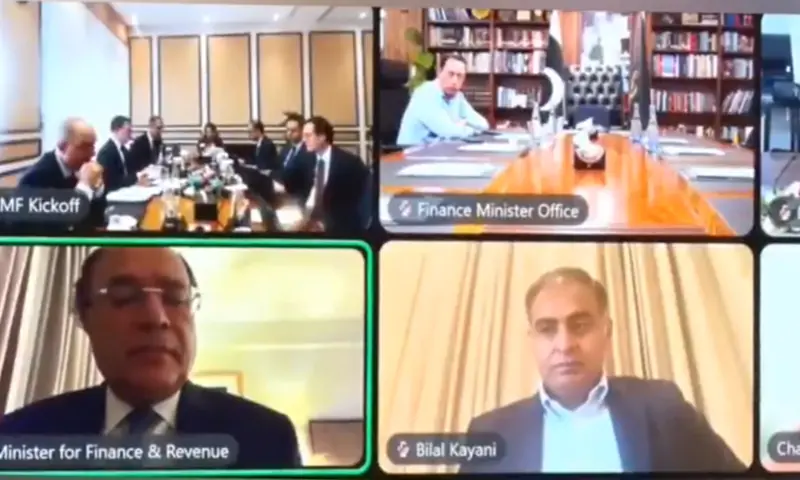
Finance Minister Muhammad Aurangzeb held a kick-off meeting with the IMF mission, led by Iva Petrova, in Islamabad. The discussions will assess Pakistan’s progress under both programmes and review its economic and structural reform commitments.
Successful completion of the reviews could pave the way for around $1.2 billion in financing. The amount includes about $1 billion under the EFF and $200 million through the RSF. Any disbursement would remain subject to agreement with IMF staff and approval by the Fund’s Executive Board.
The finance minister briefed the IMF team on recent macroeconomic developments, Pakistan’s credit rating and the investment environment. The discussions come as the country faces additional external pressures linked to the regional conflict and higher energy costs.
The IMF mission has been in Pakistan since September 23. It initially held meetings in Karachi with officials from the State Bank of Pakistan and other stakeholders before moving to Islamabad for discussions with government authorities.
Tarar Urges Afghan Government to Move Away from ‘Militant Mindset’
The review is expected to cover fiscal and tax measures, structural reforms and progress against programme targets. The Sovereign Wealth Fund law remains among the issues under discussion after Pakistan missed a related structural benchmark.
The government has also notified the Public Procurement Rules 2026. The new framework aims to improve transparency and competition in public procurement while introducing stronger digital procedures and oversight mechanisms.
The rules make the use of the E-Pak Acquisition and Disposal System (EPADS) mandatory for federal public procurement. They also provide mechanisms for blacklisting, grievance redressal and action against procurement violations.
The IMF mission has held discussions with officials from the Finance Ministry, Federal Board of Revenue, Establishment Division and provincial finance departments. The talks are expected to continue as both sides assess Pakistan’s performance and remaining programme commitments.
The outcome of the reviews will determine whether Pakistan can move closer to securing the next disbursements under the two IMF programmes.