Finance Bill 2026: Committee approves major tax reforms and digital taxation measures
Parliamentary panel proposes sweeping changes including social media tax, vehicle duties and expanded FBR digital powers

Parliamentary finance committee reviews Finance Bill 2026 with major tax and digital reform proposals
The Finance Bill 2026 has moved a step closer to approval after the National Assembly’s Standing Committee on Finance presented its revised report with multiple amendments and recommended passage of the bill with changes.
The committee has proposed a 5% withholding tax on income generated through social media platforms. Earnings from platforms such as YouTube, when transferred to Pakistan via banking channels, would also be subject to withholding tax under the proposed framework.
Lawmakers also recommended a 5% holding tax on unregistered shopkeepers, while suggesting the removal of a 1% advance tax on exporters. At the same time, tax exemptions were proposed for aircraft parts imported for Pakistan International Airlines and for machinery used in commercial vessels and tankers.
Burgenstock Summit: Shehbaz Sharif Says Pakistan Helped Bridge US-Iran Divide
The committee recommended abolishing a proposed petroleum levy clause and approved the option of paying import tax on mobile phones in instalments, with full payment required before the end of the financial year.
In the industrial sector, a tax system based on electricity consumption was suggested for the steel industry, while digitally integrated steel units may receive reduced tax rates. The panel also proposed a minimum tax rate of 0.5% for several local manufacturing sectors, including locally assembled mobile phones.
For vehicles, the committee recommended higher duties on imported luxury cars, including up to 86% duty on vehicles with engine capacity between 2000cc and 3000cc, and 92% on vehicles above 3000cc. However, zero duty was proposed for electric vehicles valued up to $75,000.
The committee also suggested increasing the annual token tax for vehicles in Islamabad, with a fixed Rs20,000 tax for vehicles up to 1000cc and variable rates linked to invoice value for larger vehicles.
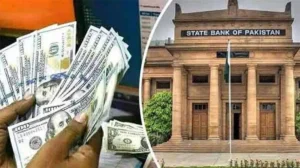
Significant digital reforms were also proposed for the Federal Board of Revenue (FBR), including expanded electronic invoicing, faceless hearings, virtual adjudication, and algorithm-based case processing. A central virtual data repository for banking information was also recommended for the State Bank of Pakistan.
Stricter penalties were proposed for tax fraud, including fines equal to invoice value for fake billing and up to five years’ imprisonment for tampering with seized goods in customs warehouses. Businesses found violating tax laws could face fines of up to Rs5 million and possible sealing of premises.
The committee further recommended easing conditions for private equity and venture capital tax exemptions, along with relief for export-heavy businesses where exports exceed 80% of turnover.
The Standing Committee ultimately recommended that the Finance Bill 2026 be approved with amendments, paving the way for broader parliamentary consideration.